

-
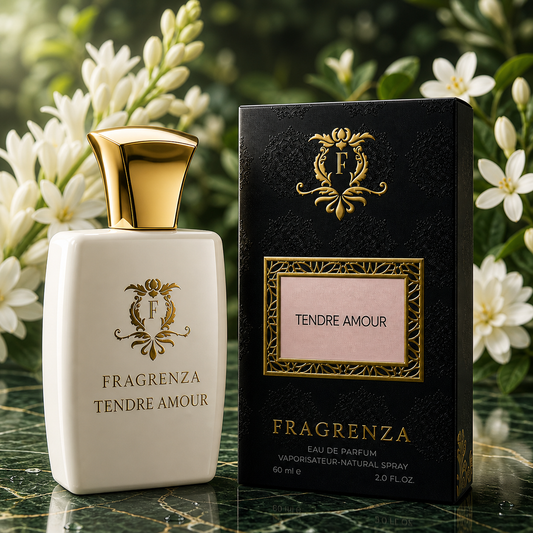
Tendre Amour Tendre AmourVendor:Inspired by Dior Tendre PoisonRegular price From $9.99Regular price
$151.00Sale price From $9.99Sale -
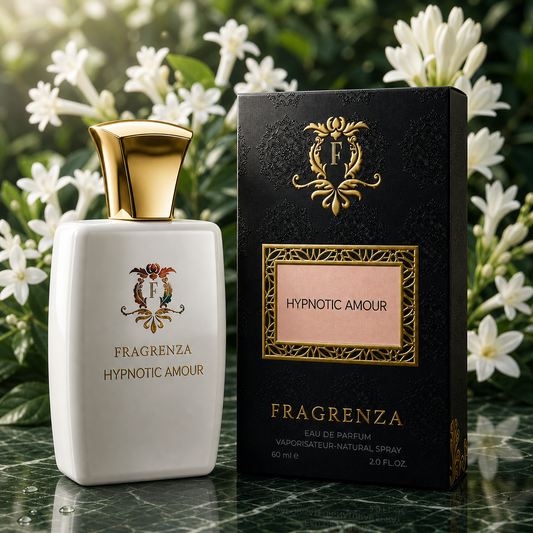
Hypnotic Amour Hypnotic AmourVendor:Inspired by Dior Hypnotic PoisonRegular price From $9.99Regular price
$118.00Sale price From $9.99Sale


About Brazilian Rosewood Fragrances
Brazilian rosewood — Aniba rosaeodora, known in Brazil as pau-rosa — is a medium-sized tree native to the Amazon basin, whose heartwood yields one of the most beautiful and historically significant essential oils in perfumery: a warm, rosy-woody, slightly camphoraceous oil whose primary constituent is linalool, the same compound found in lavender, coriander, and many fine florals. For much of the twentieth century, rosewood oil was a foundational ingredient in countless classic perfumes, beloved for its extraordinary smoothness and versatility.
The olfactory character of Brazilian rosewood is exceptionally refined — a soft, warm, slightly floral woodiness with a gentle rosy sweetness, a whisper of spice, and a mild, luminous camphor-like lift that gives it a clean, almost transparent quality. It is neither purely floral nor purely woody but something in between: a bridge material of rare elegance that enhances and harmonizes everything around it. Because of serious deforestation concerns, its use in modern perfumery is restricted and now largely replaced by sustainable linalool from other sources — though certified sustainable rosewood oil remains prized by those committed to responsible sourcing.
At Fragrenza, Brazilian rosewood is honored for its extraordinary legacy and its quietly transformative role in so many great classic fragrances. Our Brazilian rosewood dupes celebrate this iconic ingredient's warm, rosy-woody grace with the care and quality it deserves — at accessible prices that bring a touch of Amazonian elegance within reach of every fragrance lover.
Other Collections
Asafoetida Fragrances

From this collection: Tendre Amour — Tendre Poison by Dior alternative
Explore our collection of asafoetida fragrances. Shop asafoetida perfumes and discover captivating scents.
Bergamot Fragrances

From this collection: Limone e Vaniglia — Lira by Xerjoff alternative
Explore our collection of bergamot fragrances. Shop bergamot perfumes and discover captivating scents.
Dior Fragrances

From this collection: Signorina Miele — Miss Dior Chérie by Dior alternative
Explore our collection of dior fragrances. Shop dior perfumes and discover captivating scents.
Freesia Fragrances

From this collection: Love Whisper — Rolling in Love by Kilian alternative
Explore our collection of freesia fragrances. Shop freesia perfumes and discover captivating scents.
Heliotrope Fragrances

From this collection: Better Peach — Bitter Peach by Tom Ford alternative
Explore our collection of heliotrope fragrances. Shop heliotrope perfumes and discover captivating scents.
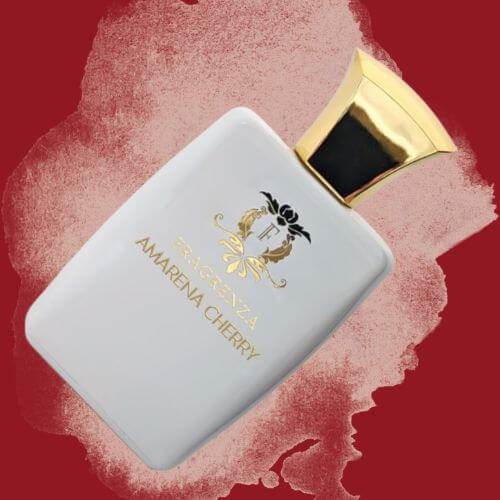
Amarena Cherry
Obsessed with cherry? If you want to really amp up the cherry scent, this Tom Ford Lost Cherry dupe will give Lost Cherry a run for its money. Black cherry, cherry syrup, and cherry liqueur all mingle together for an indulgent cherry overdose that’s complemented by notes of almond, tonka bean, Turkish rose, and jasmine sambac.
Woods And Mosses
Paubrasilia Echinata Other names: Bois de Rose
-
Our best sellers.
-
Adeline PDM Delina dupe Better Peach Tom Ford Bitter Peach dupe Chloris Gardenia Gucci Flora Gorgeous Gardenia dupe Fearless Love Kilian's Love, Don't Be Shy dupe Selvaggio Dior's Sauvage dupe Addict Noir YSL's Black Opium dupe Empress D&G's L'Imperatrice dupe Divino Bleu de Chanel dupe Lo amo J’Adore Dior dupe Pretty Girl Carolina Herrera's Good Girl dupe
-
What Does Labdanum Smell Like?
Discover labdanum in perfumery — its warm, animalic, balsamic scent, history from ancient Mediterranean ritual to modern ambers, and its role in iconic fragrances.
-

What Does Patchouli Smell Like?
Patchouli smells like rich, dark earth — wet woods, chocolate, and aged leather. What it really smells like, why it’s linked to weed, and how to wear it.
-
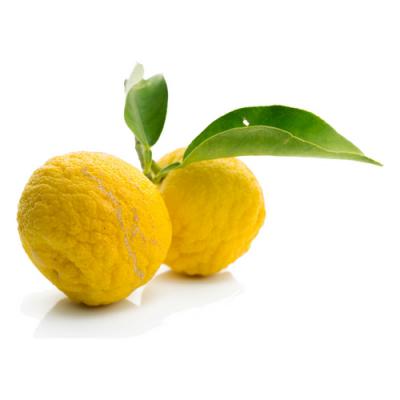
What Does Yuzu Smell Like?
What does yuzu smell like in perfumery? Explore this Japanese citrus note — its tart, floral-citrus scent, key aroma compounds, and how it elevates contemporary fragrance design.
-

What Does Amber Smell Like?
Discover what amber truly smells like in perfumery — from rare ambergris washed ashore to modern synthetics — and why it makes every fragrance warmer.

