


-
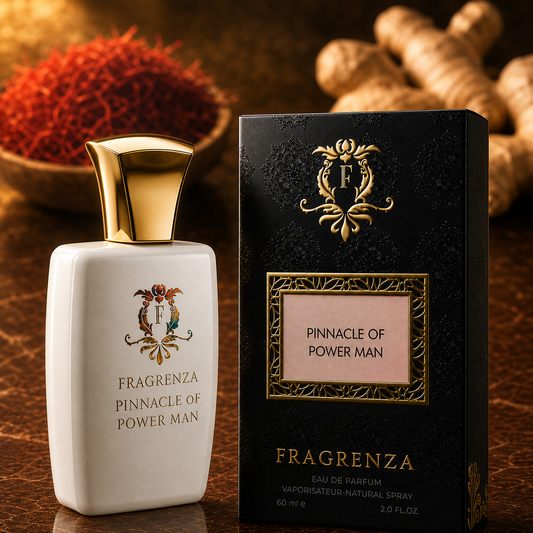
Pinnacle of Power Man Pinnacle of Power ManVendor:Inspired by Amouage Fate ManRegular price From $9.99Regular price
$360.00Sale price From $9.99Sale

About Copahu Balm Fragrances
Copahu balm — also known as copaiba oil or balsam of copaiba — is derived from Copaifera officinalis and related species of Copaifera trees native to the tropical forests of South America, particularly Brazil, Venezuela, and Colombia. Distinct from copaiba balm in its specific aromatic character, copahu carries a deeper, more intensely woody and slightly medicinal balsamic quality rooted in its particular botanical profile.
As a fragrance note, copahu balm is woody-balsamic and slightly medicinal, with an earthy resinous depth that is more austere than the sweeter copaiba. It has a South American forest character — primordial, green, and deeply woody — that makes it a fascinating raw material for perfumers seeking authentic naturalistic depth and complexity in their compositions.
In perfumery, copahu balm functions as a fixative and woody-balsamic base note in oriental, chypre, and naturalistic compositions, where it adds genuine forest-floor character and remarkable longevity. It blends particularly well with labdanum, cedar, and earthy herbal notes. At Fragrenza, our copahu-inspired fragrances bring the raw, ancient beauty of the South American forest into accessible, high-quality dupe perfumes for all.
Other Collections
Absinthe Fragrances

From this collection: Absinthe — L’Heure Verte by Kilian alternative
Explore our collection of absinthe fragrances. Shop absinthe perfumes and discover captivating scents.
Amouage Fragrances

From this collection: Brandy Star Woman — Sunshine Woman by Amouage alternative
Explore our collection of amouage fragrances. Shop amouage perfumes and discover captivating scents.
Cedarwood Fragrances

From this collection: Amarena Cherry — Lost Cherry by Tom Ford alternative
Explore our collection of cedarwood fragrances. Shop cedarwood perfumes and discover captivating scents.
Cistus Incanus Fragrances

From this collection: Patchouli Extreme — Patchouli Intense by Nicolai alternative
Explore our collection of cistus incanus fragrances. Shop cistus incanus perfumes and discover captivating scents.
Olibanum (Frankincense) Fragrances

From this collection: Adesso
Explore our collection of olibanum (frankincense) fragrances. Shop olibanum (frankincense) perfumes and discover captivating scents.
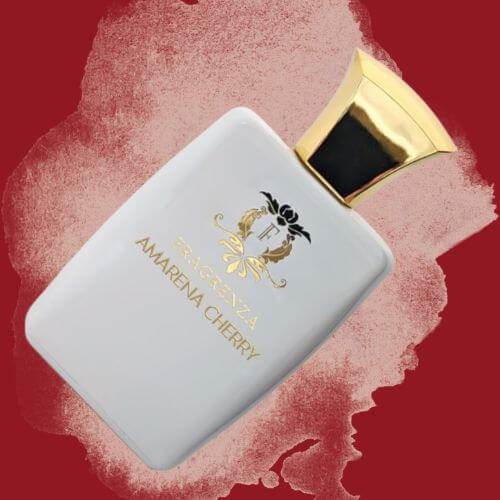
Amarena Cherry
Obsessed with cherry? If you want to really amp up the cherry scent, this Tom Ford Lost Cherry dupe will give Lost Cherry a run for its money. Black cherry, cherry syrup, and cherry liqueur all mingle together for an indulgent cherry overdose that’s complemented by notes of almond, tonka bean, Turkish rose, and jasmine sambac.
Resins And Balsams
Copaifera Officinalis Other names: Copaiba, Copahu balsam
-
Our best sellers.
-
Adeline PDM Delina dupe Better Peach Tom Ford Bitter Peach dupe Chloris Gardenia Gucci Flora Gorgeous Gardenia dupe Fearless Love Kilian's Love, Don't Be Shy dupe Selvaggio Dior's Sauvage dupe Addict Noir YSL's Black Opium dupe Empress D&G's L'Imperatrice dupe Divino Bleu de Chanel dupe Lo amo J’Adore Dior dupe Pretty Girl Carolina Herrera's Good Girl dupe
-
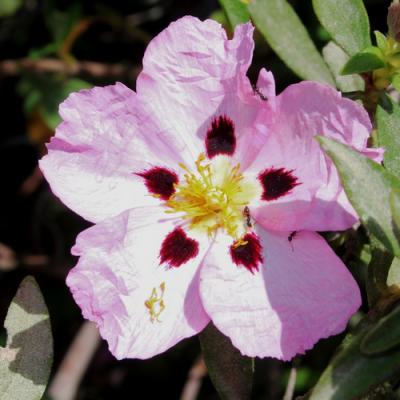
What Does Labdanum Smell Like?
Discover labdanum in perfumery — its warm, animalic, balsamic scent, history from ancient Mediterranean ritual to modern ambers, and its role in iconic fragrances.
-

What Does Patchouli Smell Like?
Patchouli smells like rich, dark earth — wet woods, chocolate, and aged leather. What it really smells like, why it’s linked to weed, and how to wear it.
-
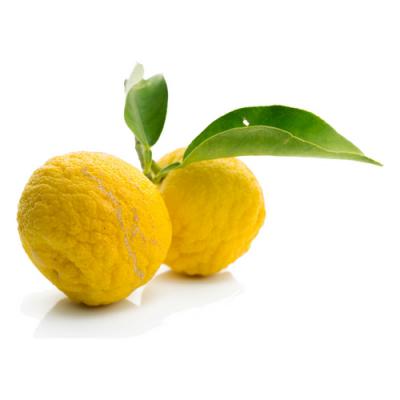
What Does Yuzu Smell Like?
What does yuzu smell like in perfumery? Explore this Japanese citrus note — its tart, floral-citrus scent, key aroma compounds, and how it elevates contemporary fragrance design.
-
What Does Amber Smell Like?
Discover what amber truly smells like in perfumery — from rare ambergris washed ashore to modern synthetics — and why it makes every fragrance warmer.

