

Collection: Dihydromyrcenol Fragrances
Few molecules have redefined freshness like dihydromyrcenol, a synthetic material that smells at once of lime peel, lavender and clean laundry, with a cool metallic sheen running through it. It opens sharply citric and almost fizzy, then dries down to a soapy, faintly woody crispness that seems scrubbed rather than sweet.
Its character is resolutely clean — aquatic, aromatic and a little futuristic — and it became the backbone of the fresh fougère style that swept masculine perfumery from the late 1980s onward. It pairs effortlessly with lavender, citrus, marine notes, light woods and musks, creating a bright, just-showered mood: energetic, casual and endlessly wearable freshness in molecular form.

No products found
Curious about this note? Read our guide: Dihydromyrcenol in Perfumery: The Molecule That Defined Clean Masculinity
We don’t have a Dihydromyrcenol fragrance just yet — explore similar scents by family:
Woody · Oriental · Floral · Leather · Chypre · Aromatic · Citrus
Bestsellers our customers love
-
Amarena Cherry Amarena CherryVendor:Inspired by Tom Ford Lost CherryRegular price From $9.99Regular price
$390.00Sale price From $9.99Sale -
 Sold outSamples SamplesSold out
 -
Signorina Miele Signorina MieleVendor:Inspired by Dior Miss Dior ChérieRegular price From $9.99Regular price
$105.00Sale price From $9.99Sale -
Limone e Vaniglia Limone e VanigliaVendor:Inspired by Xerjoff LiraRegular price From $9.99Regular price
$305.00Sale price From $9.99Sale


About Dihydromyrcenol Fragrances
Dihydromyrcenol is a synthetic fragrance molecule first developed in the mid-twentieth century and now one of the most widely used ingredients in modern perfumery. It belongs to the class of fresh-citrus-ozonic synthetics that transformed the fragrance industry from the 1980s onward, enabling a new generation of clean, laundry-bright scents that resonated powerfully with contemporary tastes. Despite its technical origins, it has become one of the most recognisable smells in everyday life — the scent of clean clothes, fresh air, and a certain effortless modernity.
In fragrance, dihydromyrcenol contributes a clean, ozonic-citrus character with a metallic-fresh brightness and an unmistakable laundry quality. It reads simultaneously of lime peel, clean cotton, open air, and something faintly oceanic. Perfumers use it at the heart of aquatic, fougère, and fresh masculine compositions — it is a cornerstone molecule in countless bestselling fragrances — to deliver an immediate, crowd-pleasing freshness that projects confidently and reads as impeccably clean. It pairs naturally with lavender, citrus, aromatic herbs, and soft musks.
Fragrenza's dihydromyrcenol collection brings together fragrances built around this iconic freshness. As precise dupes of celebrated originals, they deliver the same confident, laundry-clean brightness at a fraction of the designer price. For those who want to smell undeniably fresh — the kind of clean that people notice and remember — this collection delivers exactly that, every single time.
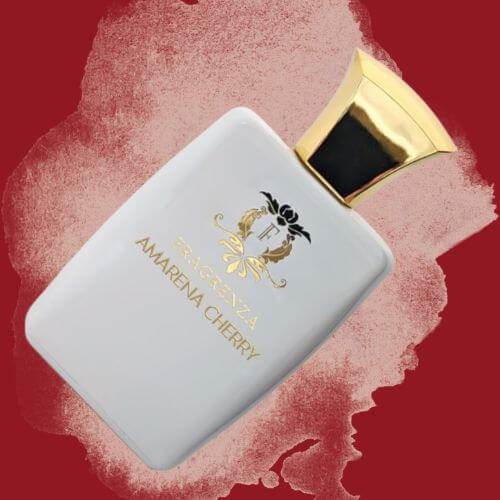
Amarena Cherry
Obsessed with cherry? If you want to really amp up the cherry scent, this Tom Ford Lost Cherry dupe will give Lost Cherry a run for its money. Black cherry, cherry syrup, and cherry liqueur all mingle together for an indulgent cherry overdose that’s complemented by notes of almond, tonka bean, Turkish rose, and jasmine sambac.
Natural And Synthetic, Popular And Weird
C¹ºH²ºO
-
Our best sellers.
-
Adeline PDM Delina dupe Better Peach Tom Ford Bitter Peach dupe Chloris Gardenia Gucci Flora Gorgeous Gardenia dupe Fearless Love Kilian's Love, Don't Be Shy dupe Selvaggio Dior's Sauvage dupe Addict Noir YSL's Black Opium dupe Empress D&G's L'Imperatrice dupe Divino Bleu de Chanel dupe Lo amo J’Adore Dior dupe Pretty Girl Carolina Herrera's Good Girl dupe
-
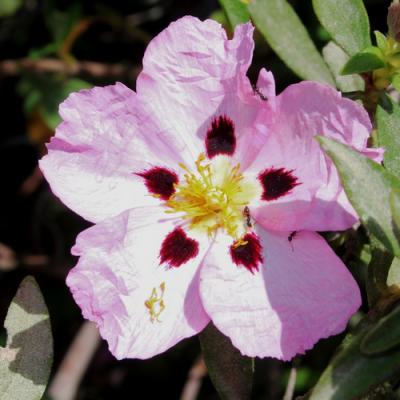
What Does Labdanum Smell Like?
Discover labdanum in perfumery — its warm, animalic, balsamic scent, history from ancient Mediterranean ritual to modern ambers, and its role in iconic fragrances.
-

What Does Patchouli Smell Like?
Patchouli smells like rich, dark earth — wet woods, chocolate, and aged leather. What it really smells like, why it’s linked to weed, and how to wear it.
-
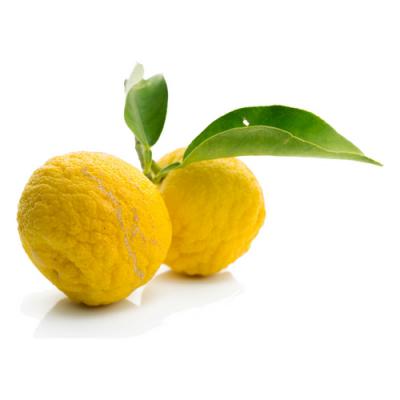
What Does Yuzu Smell Like?
What does yuzu smell like in perfumery? Explore this Japanese citrus note — its tart, floral-citrus scent, key aroma compounds, and how it elevates contemporary fragrance design.
-
What Does Amber Smell Like?
Discover what amber truly smells like in perfumery — from rare ambergris washed ashore to modern synthetics — and why it makes every fragrance warmer.

