


-
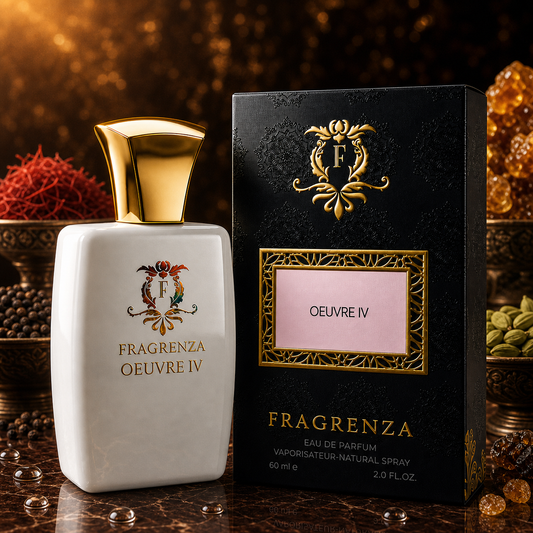
Oeuvre IV Oeuvre IVVendor:Inspired by Amouage Opus IVRegular price From $9.99Regular price
$360.00Sale price From $9.99Sale -
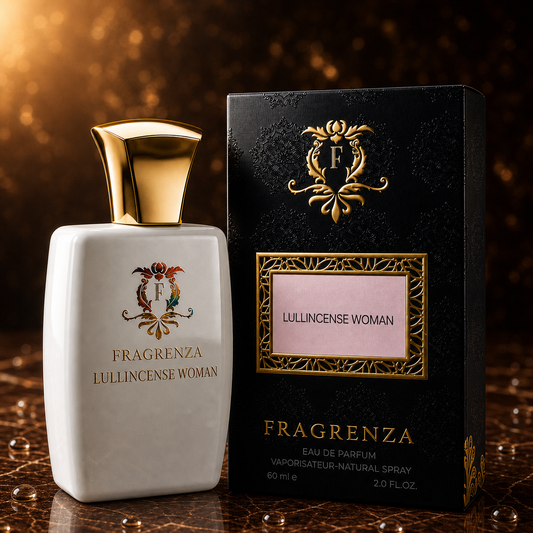
Lullincense Woman Lullincense WomanVendor:Inspired by Amouage Interlude WomanRegular price From $9.99Regular price
$360.00Sale price From $9.99Sale


About Goat hair Fragrances
Goat hair is one of perfumery's more daring animalic notes — a raw, warm, slightly musky material that draws on the natural scent of goat and cashmere fibre to evoke something primal and intimate. Animal notes have a long and distinguished history in perfumery, from the classic use of civet and musk to the more nuanced deployment of leather and fur accords in twentieth-century haute parfumerie. Goat hair sits within this tradition, offering a less overtly animalic alternative to civet or castoreum, with a warmth and texture that feels more tactile and wearable.
In fragrance, goat hair contributes a warm, slightly musky-animalic quality with a faint cashmere-like softness — less sharp than leather, less heavy than civet, but undeniably animal in character. It operates as a bridge between the skin and the fragrance, creating an intimate, skin-close warmth that feels deeply personal. It works naturally with iris, woods, soft musks, and incense, functioning as a base element that anchors compositions with a quiet animal pulse. Used with restraint, it adds sophistication and depth.
At Fragrenza, our goat hair collection brings together dupe interpretations of bold, artistically constructed fragrances that use this distinctive note to powerful effect. For those who appreciate the more daring, intimate dimensions of perfumery — exceptional quality at accessible prices.
Amarena Cherry
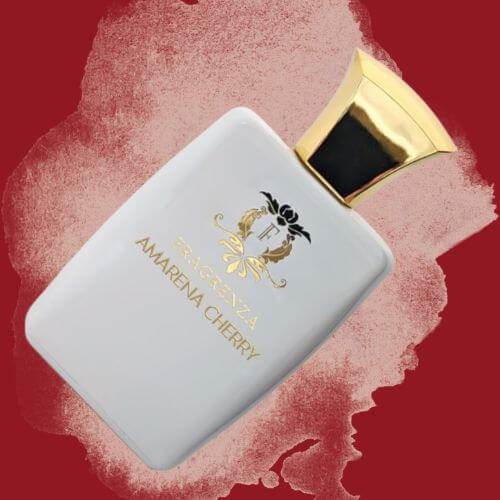
Obsessed with cherry? If you want to really amp up the cherry scent, this Tom Ford Lost Cherry dupe will give Lost Cherry a run for its money. Black cherry, cherry syrup, and cherry liqueur all mingle together for an indulgent cherry overdose that’s complemented by notes of almond, tonka bean, Turkish rose, and jasmine sambac.
Musk, Amber, Animalic Smells
-
Our best sellers.
-
Adeline PDM Delina dupe Better Peach Tom Ford Bitter Peach dupe Chloris Gardenia Gucci Flora Gorgeous Gardenia dupe Fearless Love Kilian's Love, Don't Be Shy dupe Selvaggio Dior's Sauvage dupe Addict Noir YSL's Black Opium dupe Empress D&G's L'Imperatrice dupe Divino Bleu de Chanel dupe Lo amo J’Adore Dior dupe Pretty Girl Carolina Herrera's Good Girl dupe
-
What Does Labdanum Smell Like?
Discover labdanum in perfumery — its warm, animalic, balsamic scent, history from ancient Mediterranean ritual to modern ambers, and its role in iconic fragrances.
-

What Does Patchouli Smell Like?
Patchouli smells like rich, dark earth — wet woods, chocolate, and aged leather. What it really smells like, why it’s linked to weed, and how to wear it.
-
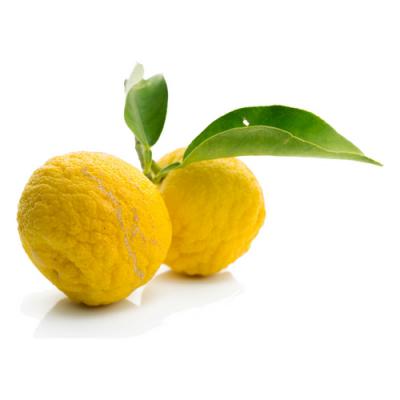
What Does Yuzu Smell Like?
What does yuzu smell like in perfumery? Explore this Japanese citrus note — its tart, floral-citrus scent, key aroma compounds, and how it elevates contemporary fragrance design.
-

What Does Amber Smell Like?
Discover what amber truly smells like in perfumery — from rare ambergris washed ashore to modern synthetics — and why it makes every fragrance warmer.

