

-
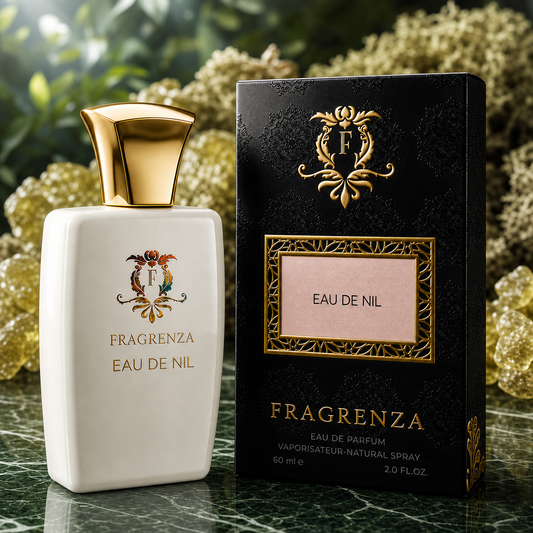
Eau de Nil Eau de NilVendor:Inspired by Tom Ford Vert BohèmeRegular price From $9.99Regular price
$134.00Sale price From $9.99Sale

About Gustavia Superba Fragrances
Gustavia superba is a rare and exotic tropical tree native to Central and South America, belonging to the family Lecythidaceae. A small, slow-growing evergreen, it is prized in its natural habitat for its large, waxy flowers that bloom in shades of white and pale pink, releasing a rich, heady fragrance into the humid forest air. The flowers carry a complex scent profile: sweet and creamy on the surface, with a distinctive and unusual fetid or cut-wood quality beneath — a contrast that makes the note simultaneously intriguing and challenging to work with in perfumery.
In the fragrance world, Gustavia superba is considered a rare and exotic ingredient, valued precisely because of its unusual character. The sweet floral top notes provide beauty and luminosity, while the earthy, slightly animalic facets add depth and a sense of wild, untamed nature. This tension between the beautiful and the strange is what makes Gustavia superba such a compelling note in the hands of a skilled perfumer — it adds a dimension of genuine botanical complexity that synthetic ingredients rarely achieve.
Fragrances featuring Gustavia superba tend to be adventurous, niche compositions aimed at those who seek something genuinely different. Explore Fragrenza's Gustavia superba collection to discover inspired-by fragrances that harness the exotic character of this rare tropical bloom, crafted to bring a touch of botanical rarity to your everyday fragrance wardrobe.
Other Collections
Galbanum Fragrances

From this collection: Elisi — Elysium by Roja Parfums alternative
Explore our collection of galbanum fragrances. Shop galbanum perfumes and discover captivating scents.
Honeysuckle Fragrances

From this collection: Eau de Nil — Vert Bohème by Tom Ford alternative
Explore our collection of honeysuckle fragrances. Shop honeysuckle perfumes and discover captivating scents.
Magnolia Fragrances

From this collection: Brandy Star Woman — Sunshine Woman by Amouage alternative
Explore our collection of magnolia fragrances. Shop magnolia perfumes and discover captivating scents.
Men Fragrances

From this collection: Immortal Zeus — Aventus by Creed alternative
Explore our collection of men fragrances. Shop men perfumes and discover captivating scents.
Oakmoss Fragrances

From this collection: Normandy Brandy — Apple Brandy On The Rocks by Kilian alternative
Explore our collection of oakmoss fragrances. Shop oakmoss perfumes and discover captivating scents.
Amarena Cherry
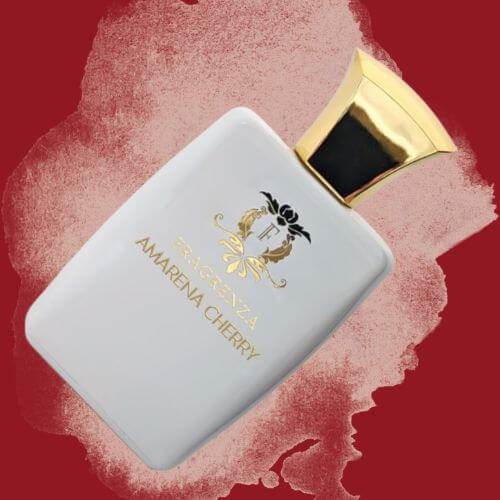
Obsessed with cherry? If you want to really amp up the cherry scent, this Tom Ford Lost Cherry dupe will give Lost Cherry a run for its money. Black cherry, cherry syrup, and cherry liqueur all mingle together for an indulgent cherry overdose that’s complemented by notes of almond, tonka bean, Turkish rose, and jasmine sambac.
-
Our best sellers.
-
Adeline PDM Delina dupe Better Peach Tom Ford Bitter Peach dupe Chloris Gardenia Gucci Flora Gorgeous Gardenia dupe Fearless Love Kilian's Love, Don't Be Shy dupe Selvaggio Dior's Sauvage dupe Addict Noir YSL's Black Opium dupe Empress D&G's L'Imperatrice dupe Divino Bleu de Chanel dupe Lo amo J’Adore Dior dupe Pretty Girl Carolina Herrera's Good Girl dupe
-
What Does Labdanum Smell Like?
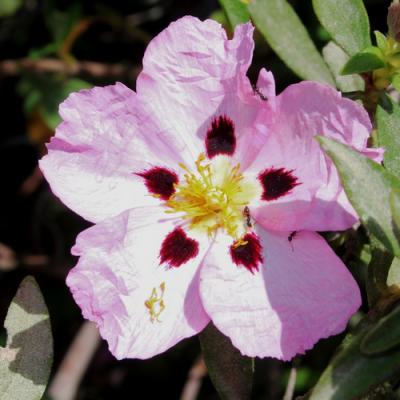
Discover labdanum in perfumery — its warm, animalic, balsamic scent, history from ancient Mediterranean ritual to modern ambers, and its role in iconic fragrances.
-

What Does Patchouli Smell Like?
Patchouli smells like rich, dark earth — wet woods, chocolate, and aged leather. What it really smells like, why it’s linked to weed, and how to wear it.
-
What Does Yuzu Smell Like?
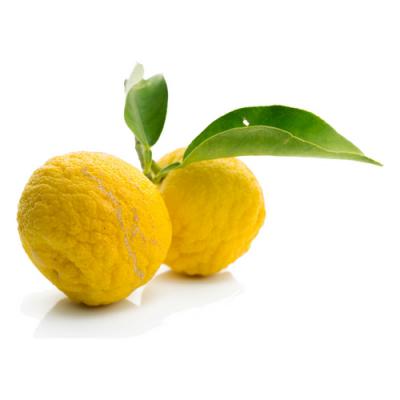
What does yuzu smell like in perfumery? Explore this Japanese citrus note — its tart, floral-citrus scent, key aroma compounds, and how it elevates contemporary fragrance design.
-
What Does Amber Smell Like?
Discover what amber truly smells like in perfumery — from rare ambergris washed ashore to modern synthetics — and why it makes every fragrance warmer.

