

Collection: Hawthorn Fragrances
Few floral notes walk the line between pretty and provocative quite like hawthorn. The white spring blossoms open with a strong, honeyed sweetness — almond-tinged and faintly anisic — but underneath lies a distinctly dirty, animalic undercurrent that gives the note its tension and realism. In perfumery hawthorn is usually rendered with anisaldehyde and related materials, lending compositions a vintage, powdery floral character with a wild hedgerow edge. It develops from bright and nectarous into something muskier and more intimate, pairing naturally with rose, mimosa, heliotrope, violet and soft musks. The mood it creates is romantic but untamed: a flowering country lane in May, lovely from a distance and surprisingly carnal up close.

No products found
Curious about this note? Read our guide: Hawthorn in Perfumery: The Powdery, Wild-Flower Note You've Smelled Without Knowing
We don’t have a Hawthorn fragrance just yet — explore similar scents by family:
Woody · Oriental · Floral · Leather · Chypre · Aromatic · Citrus
Bestsellers our customers love
-
Amarena Cherry Amarena CherryVendor:Inspired by Tom Ford Lost CherryRegular price From $9.99Regular price
$390.00Sale price From $9.99Sale -
 Sold outSamples SamplesSold out
 -
Signorina Miele Signorina MieleVendor:Inspired by Dior Miss Dior ChérieRegular price From $9.99Regular price
$105.00Sale price From $9.99Sale -
Limone e Vaniglia Limone e VanigliaVendor:Inspired by Xerjoff LiraRegular price From $9.99Regular price
$305.00Sale price From $9.99Sale


About Hawthorn Fragrances
Hawthorn (Crataegus monogyna), known in Britain as may blossom or simply the may tree, is a hedgerow and woodland plant steeped in centuries of folklore. Each spring, its branches erupt with dense clusters of white or pale pink flowers whose scent — sweet, slightly almondy, with a complex, almost animalic undertone — announces the season's fullest flowering moment. In Celtic tradition hawthorn was considered sacred and protective; in perfumery it is considered one of the most intriguing and beautiful of the early summer blossoms, with an aromatic character that rewards careful exploration.
The olfactory profile of hawthorn is nuanced and layered: its sweetness is fresh and spring-like, reminiscent of clean white flowers, while an almond-like bitterness adds depth and a hint of complexity. There is also a subtle green, almost woody freshness from the stems and foliage that grounds the floral warmth and keeps it from becoming overly saccharine. Natural hawthorn absolute carries a light animalic quality — a whisper of intimacy beneath the bloom — that many perfumers find irresistible as a complexity-building element. It blends well with lily of the valley, rose, violet, green notes, and soft woody bases.
Hawthorn appears in fresh spring florals, light chypres, and elegant white floral constructions, lending an authentic seasonal spirit that few other notes can match. At Fragrenza, our hawthorn collections celebrate this beloved spring blossom — capturing its complex, tender beauty in high-quality fragrances at prices that make the season's finest scents accessible year-round.
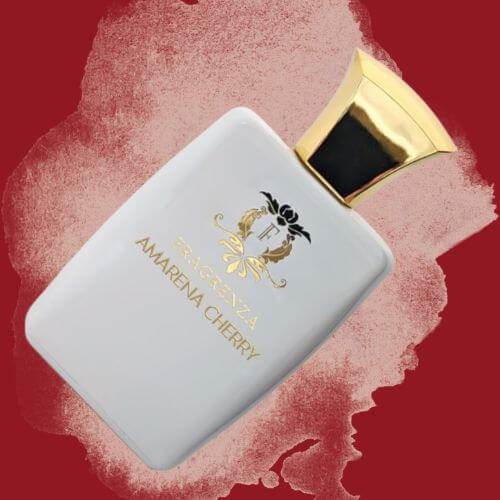
Amarena Cherry
Obsessed with cherry? If you want to really amp up the cherry scent, this Tom Ford Lost Cherry dupe will give Lost Cherry a run for its money. Black cherry, cherry syrup, and cherry liqueur all mingle together for an indulgent cherry overdose that’s complemented by notes of almond, tonka bean, Turkish rose, and jasmine sambac.
Flowers
Crataegus monogyna (Rosaceae)
-
Our best sellers.
-
Adeline PDM Delina dupe Better Peach Tom Ford Bitter Peach dupe Chloris Gardenia Gucci Flora Gorgeous Gardenia dupe Fearless Love Kilian's Love, Don't Be Shy dupe Selvaggio Dior's Sauvage dupe Addict Noir YSL's Black Opium dupe Empress D&G's L'Imperatrice dupe Divino Bleu de Chanel dupe Lo amo J’Adore Dior dupe Pretty Girl Carolina Herrera's Good Girl dupe
-
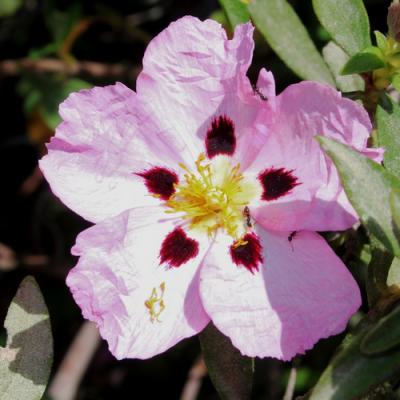
What Does Labdanum Smell Like?
Discover labdanum in perfumery — its warm, animalic, balsamic scent, history from ancient Mediterranean ritual to modern ambers, and its role in iconic fragrances.
-

What Does Patchouli Smell Like?
Patchouli smells like rich, dark earth — wet woods, chocolate, and aged leather. What it really smells like, why it’s linked to weed, and how to wear it.
-
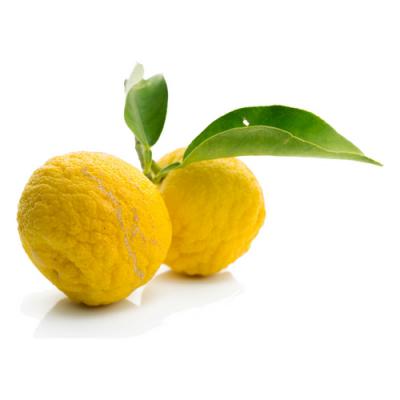
What Does Yuzu Smell Like?
What does yuzu smell like in perfumery? Explore this Japanese citrus note — its tart, floral-citrus scent, key aroma compounds, and how it elevates contemporary fragrance design.
-
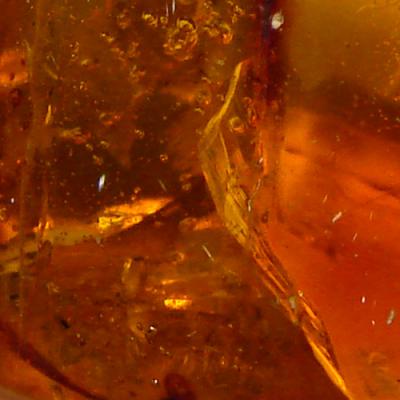
What Does Amber Smell Like?
Discover what amber truly smells like in perfumery — from rare ambergris washed ashore to modern synthetics — and why it makes every fragrance warmer.

