


-
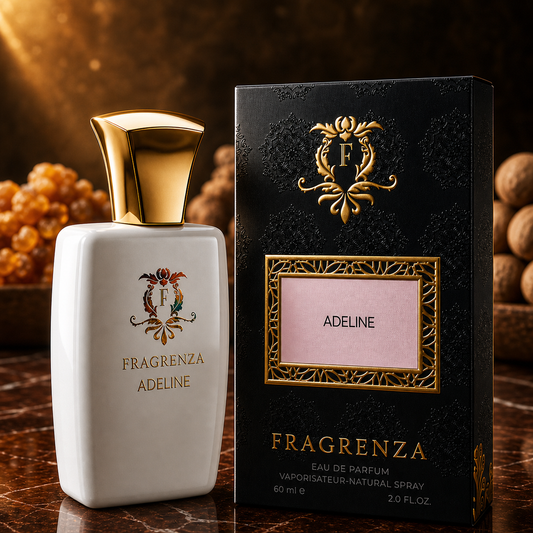
Adeline AdelineVendor:Inspired by Parfums de Marly Delina ExclusifRegular price From $9.99Regular price
$335.00Sale price From $9.99Sale -
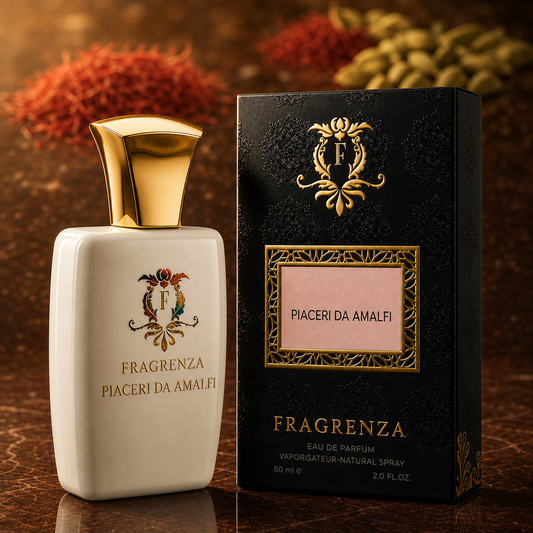
Piaceri da Amalfi Piaceri da AmalfiVendor:Inspired by Xerjoff Dolce AmalfiRegular price From $9.99Regular price
$350.00Sale price From $9.99Sale -
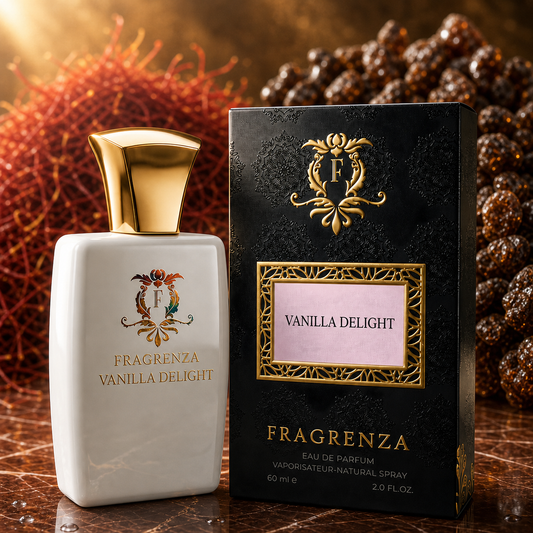
Vanilla Delight Vanilla DelightVendor:Inspired by Tom Ford Vanille FataleRegular price From $9.99Regular price
$270.00Sale price From $9.99Sale -
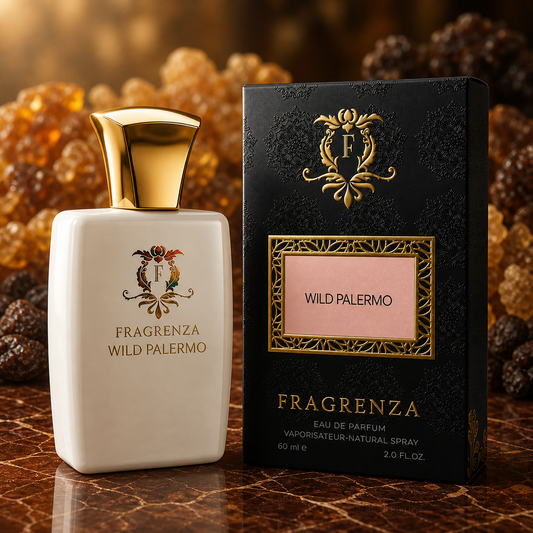
Wild Palermo Wild PalermoVendor:Inspired by Xerjoff More Than WordsRegular price From $9.99Regular price
$205.00Sale price From $9.99Sale -
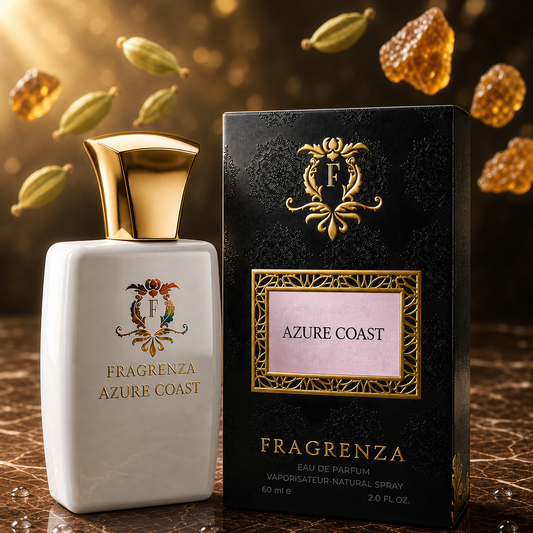
Azure Coast Azure CoastVendor:Inspired by Tom Ford Costa AzzurraRegular price From $9.99Regular price
$195.00Sale price From $9.99Sale -

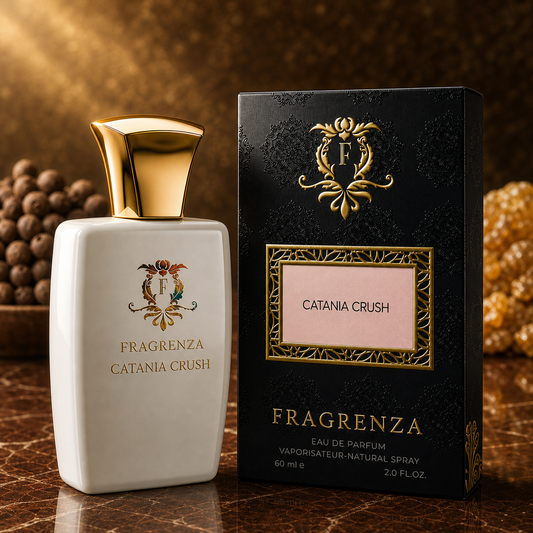 SaleCatania Crush Catania CrushVendor:Inspired by Dior PoisonRegular price From $9.99Regular price
$118.00Sale price From $9.99Sale -
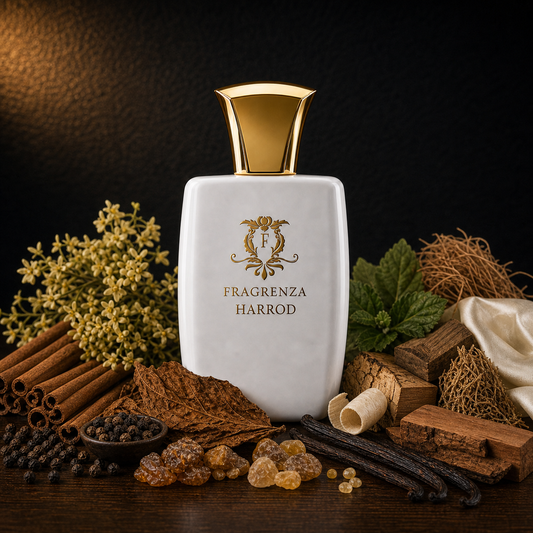
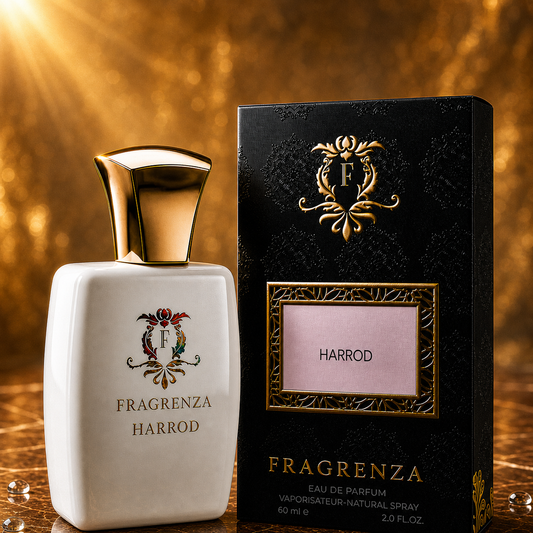 Sold outHarrod HarrodVendor:Inspired by Parfums de Marly HerodRegular price From $9.99Regular price
$330.00Sale price From $9.99Sold out -

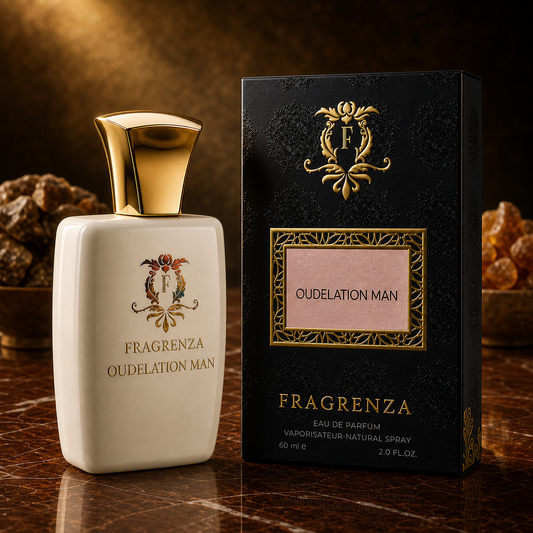 Sold outOudelation Man Oudelation ManVendor:Inspired by Amouage Jubilation XXVRegular price From $9.99Regular price
$360.00Sale price From $9.99Sold out -
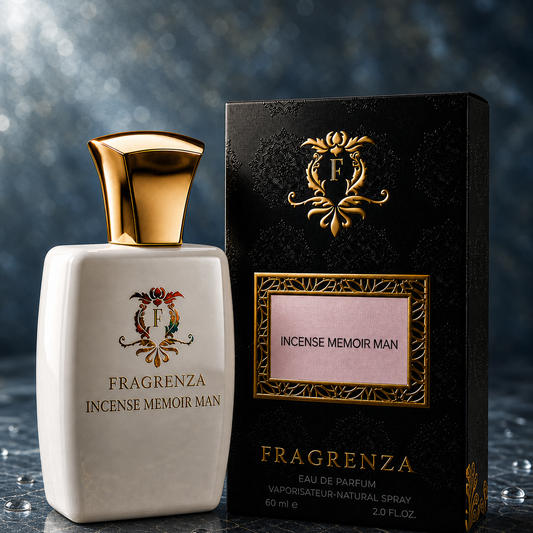
Incense Memoir Man Incense Memoir ManVendor:Inspired by Amouage Memoir ManRegular price From $9.99Regular price
$360.00Sale price From $9.99Sale -
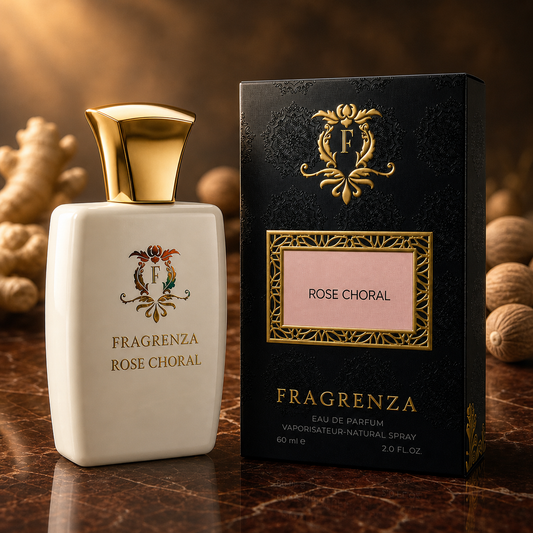
Rose Choral Rose ChoralVendor:Inspired by Amouage Lyric ManRegular price From $9.99Regular price
$360.00Sale price From $9.99Sale -
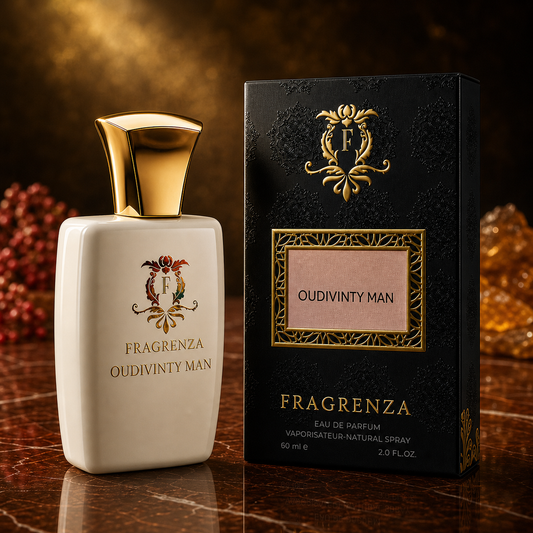
Oudivinty Man Oudivinty ManVendor:Inspired by Amouage Epic ManRegular price From $9.99Regular price
$360.00Sale price From $9.99Sale -
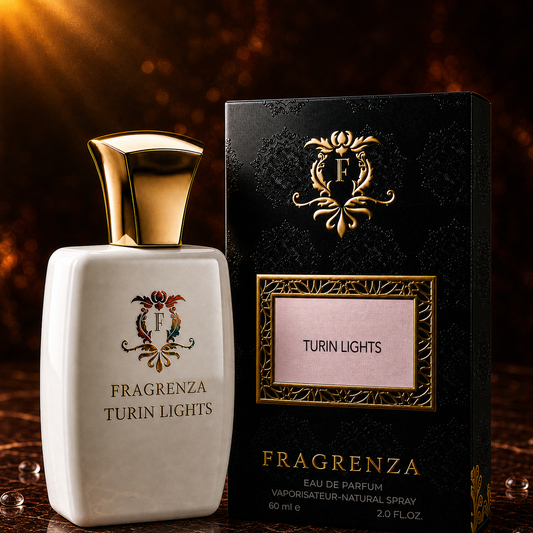
Turin Lights Turin LightsVendor:Inspired by Tom Ford Tuscan LeatherRegular price From $9.99Regular price
$270.00Sale price From $9.99Sale -
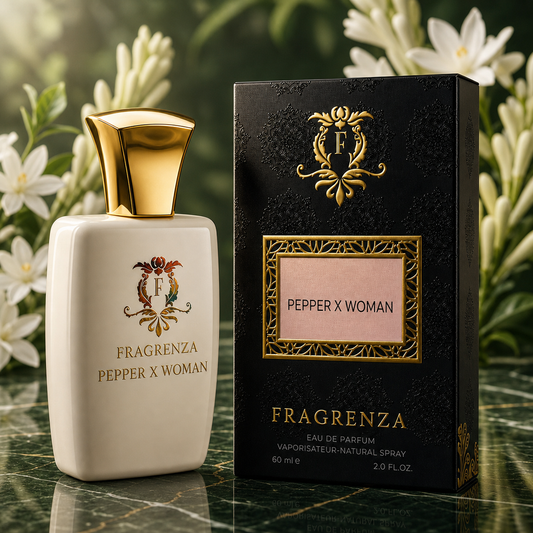
Pepper X Woman Pepper X WomanVendor:Inspired by Amouage Honour WomanRegular price From $9.99Regular price
$360.00Sale price From $9.99Sale -
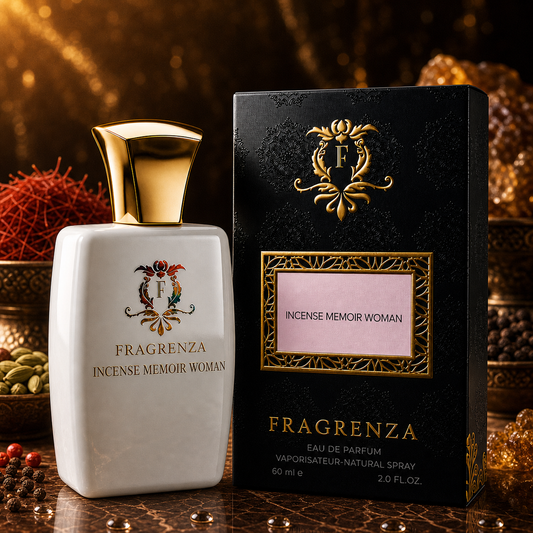
Incense Memoir Woman Incense Memoir WomanVendor:Inspired by Amouage Memoir WomanRegular price From $9.99Regular price
$360.00Sale price From $9.99Sale -

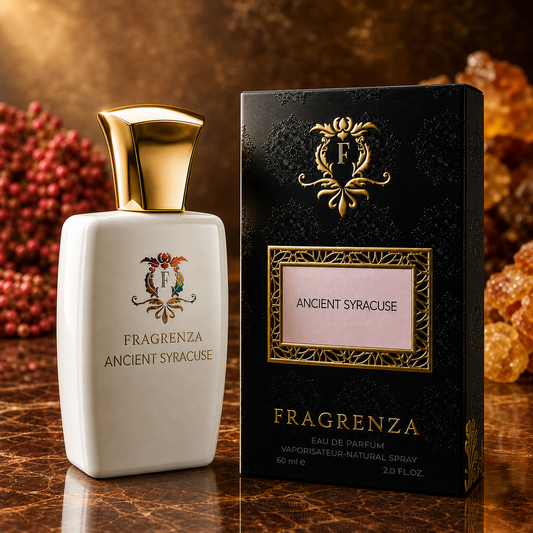 Sold outAncient Syracuse Ancient SyracuseVendor:Inspired by Chanel Allure SensuelleRegular price From $9.99Regular price
$116.00Sale price From $9.99Sold out -
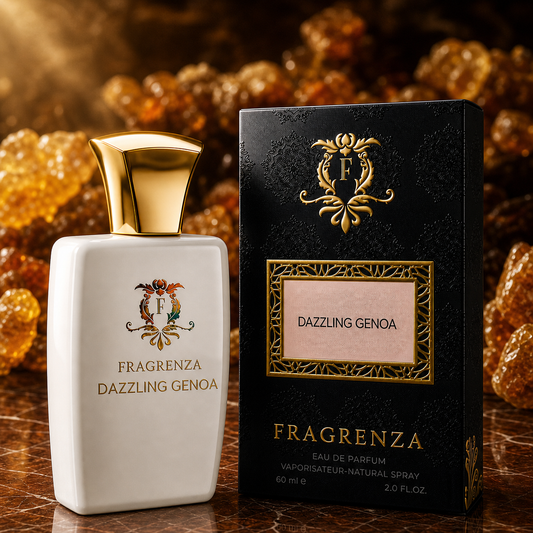
Dazzling Genoa Dazzling GenoaVendor:Inspired by Dolce & Gabbana Velvet Desert OudRegular price From $9.99Regular price
$415.00Sale price From $9.99Sale -
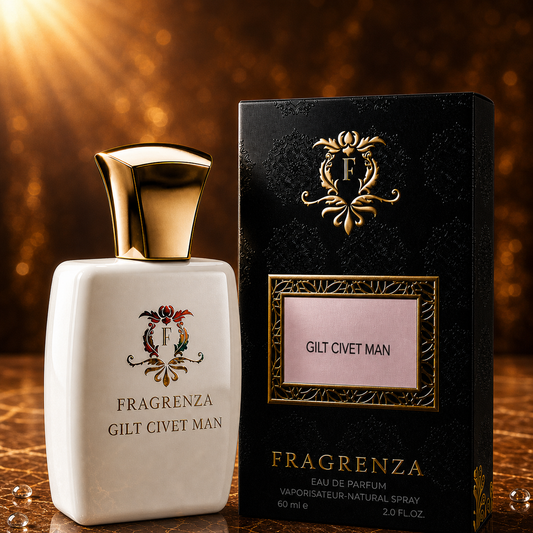
Gilt Civet Man Gilt Civet ManVendor:Inspired by Amouage Gold ManRegular price From $9.99Regular price
$360.00Sale price From $9.99Sale -
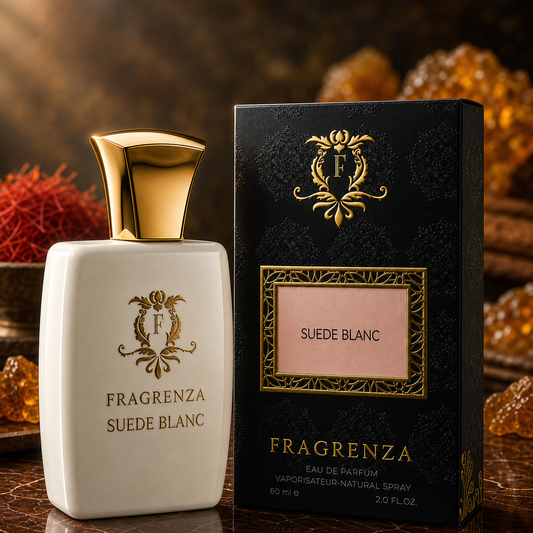
Suede Blanc Suede BlancVendor:Inspired by Tom Ford White SuedeRegular price From $9.99Regular price
$270.00Sale price From $9.99Sale -
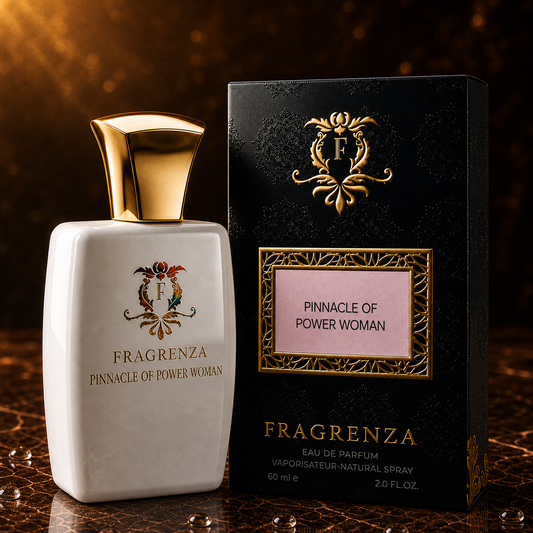
Pinnacle of Power Woman Pinnacle of Power WomanVendor:Inspired by Amouage Fate WomanRegular price From $9.99Regular price
$360.00Sale price From $9.99Sale -
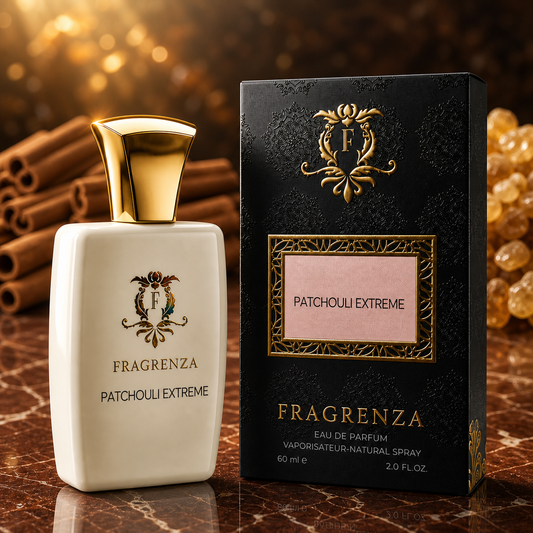
Patchouli Extreme Patchouli ExtremeVendor:Inspired by Nicolai Patchouli IntenseRegular price From $9.99Regular price
$202.00Sale price From $9.99Sale -
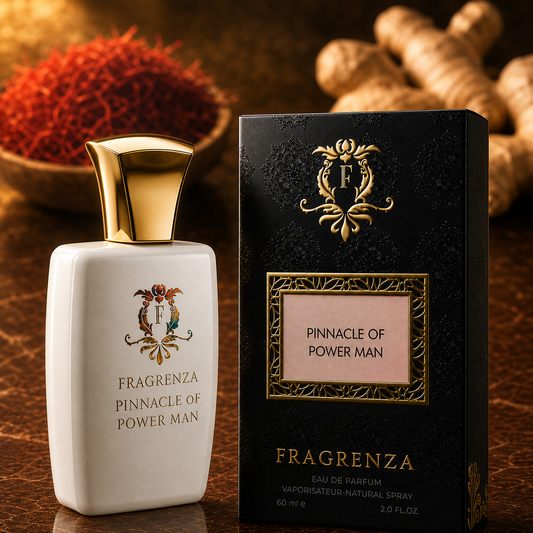
Pinnacle of Power Man Pinnacle of Power ManVendor:Inspired by Amouage Fate ManRegular price From $9.99Regular price
$360.00Sale price From $9.99Sale -
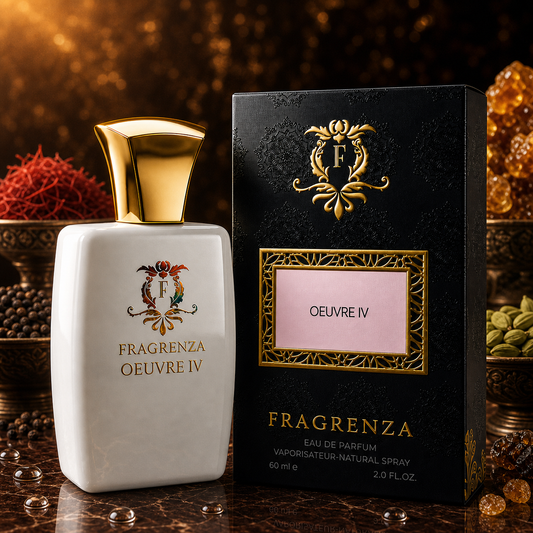
Oeuvre IV Oeuvre IVVendor:Inspired by Amouage Opus IVRegular price From $9.99Regular price
$360.00Sale price From $9.99Sale -
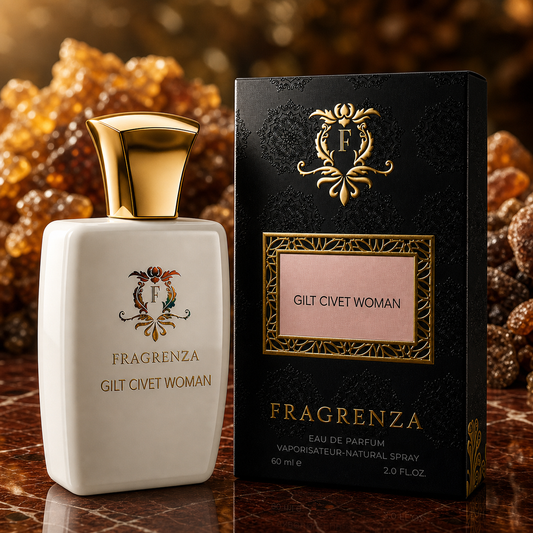
Gilt Civet Woman Gilt Civet WomanVendor:Inspired by Amouage Gold WomanRegular price From $9.99Regular price
$360.00Sale price From $9.99Sale






















About Olibanum Fragrances
Olibanum — more commonly known as frankincense — is one of humanity's oldest and most revered aromatic substances. Harvested from the Boswellia tree, which grows in the arid highlands of Oman, Somalia, and Ethiopia, olibanum has been burned as incense and used in sacred rituals for over five thousand years. Ancient Egyptians used it in temple ceremonies and cosmetic preparations; it was among the gifts of the Magi; and it remains central to religious practice in Christianity, Islam, and numerous Eastern traditions. This long spiritual history imbues olibanum with a gravitas and depth that few other fragrance ingredients can match.
In perfumery, olibanum is prized for its extraordinary complexity. The top notes are surprisingly bright and citrusy — a fresh, slightly peppery lemon-like sharpness that quickly gives way to the characteristic smoky, resinous heart. This middle phase is olibanum at its most recognisable: a warm, balsamic, slightly medicinal quality with faint woody undertones and a clean smokiness that feels ancient and meditative. As the fragrance dries down, the base notes reveal a deeper, almost sweet balsamic warmth that lingers on skin for hours.
Olibanum sits at the heart of the oriental and incense fragrance families, pairing magnificently with labdanum, myrrh, oud, rose, and spices such as cinnamon and cardamom. It adds a sacred, contemplative dimension to any composition — a whisper of ceremony and history. In lighter formulas, it provides resinous depth without heaviness. At Fragrenza, our olibanum-inspired fragrances invite you to explore this ancient ingredient in modern, beautifully crafted compositions that honour its heritage while delivering genuine luxury at accessible prices.
Other Collections
Bergamot Fragrances

From this collection: Limone e Vaniglia — Lira by Xerjoff alternative
Explore our collection of bergamot fragrances. Shop bergamot perfumes and discover captivating scents.
Cashmeran Fragrances

From this collection: Adeline — Delina Exclusif by Parfums de Marly alternative
Explore our collection of cashmeran fragrances. Shop cashmeran perfumes and discover captivating scents.
Lily of the Valley Fragrances

From this collection: Elisi — Elysium by Roja Parfums alternative
Explore our collection of lily of the valley fragrances. Shop lily of the valley perfumes and discover captivating scents.
Litchi Fragrances

From this collection: Sensual Flame — Cassili by Parfums de Marly alternative
Explore our collection of litchi fragrances. Shop litchi perfumes and discover captivating scents.
Olibanum (Frankincense) Fragrances

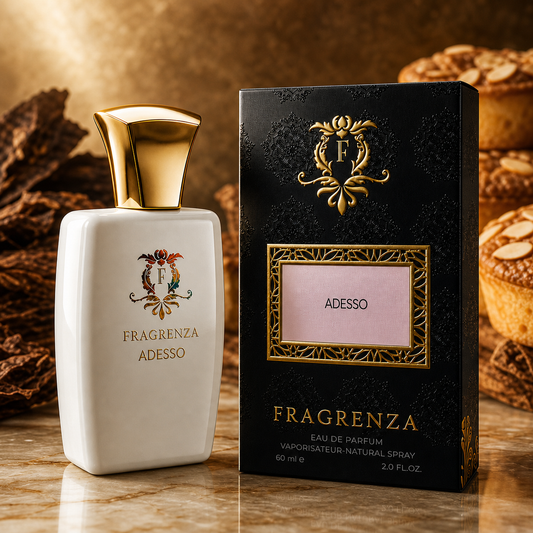
From this collection: Adesso
Explore our collection of olibanum (frankincense) fragrances. Shop olibanum (frankincense) perfumes and discover captivating scents.
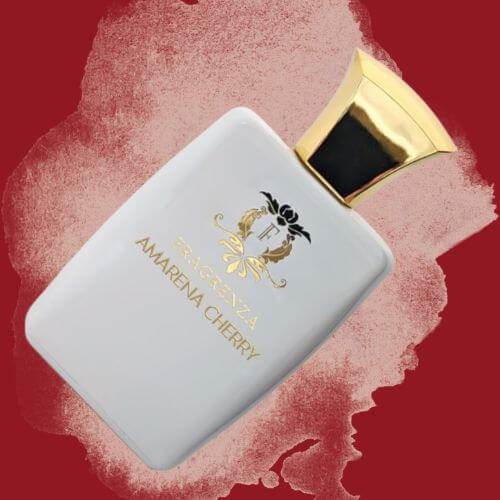
Amarena Cherry
Obsessed with cherry? If you want to really amp up the cherry scent, this Tom Ford Lost Cherry dupe will give Lost Cherry a run for its money. Black cherry, cherry syrup, and cherry liqueur all mingle together for an indulgent cherry overdose that’s complemented by notes of almond, tonka bean, Turkish rose, and jasmine sambac.
-
Our best sellers.
-
Adeline PDM Delina dupe Better Peach Tom Ford Bitter Peach dupe Chloris Gardenia Gucci Flora Gorgeous Gardenia dupe Fearless Love Kilian's Love, Don't Be Shy dupe Selvaggio Dior's Sauvage dupe Addict Noir YSL's Black Opium dupe Empress D&G's L'Imperatrice dupe Divino Bleu de Chanel dupe Lo amo J’Adore Dior dupe Pretty Girl Carolina Herrera's Good Girl dupe
-
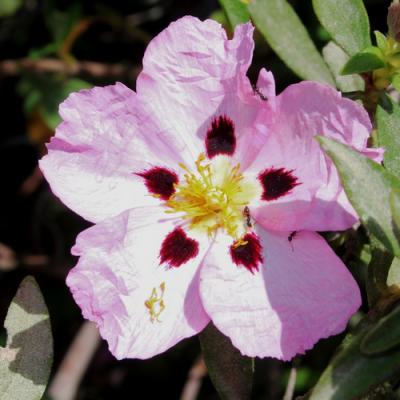
What Does Labdanum Smell Like?
Discover labdanum in perfumery — its warm, animalic, balsamic scent, history from ancient Mediterranean ritual to modern ambers, and its role in iconic fragrances.
-

What Does Patchouli Smell Like?
Patchouli smells like rich, dark earth — wet woods, chocolate, and aged leather. What it really smells like, why it’s linked to weed, and how to wear it.
-
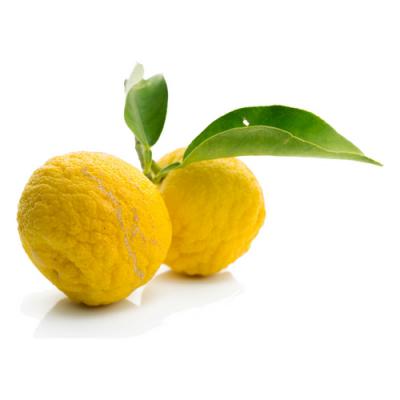
What Does Yuzu Smell Like?
What does yuzu smell like in perfumery? Explore this Japanese citrus note — its tart, floral-citrus scent, key aroma compounds, and how it elevates contemporary fragrance design.
-
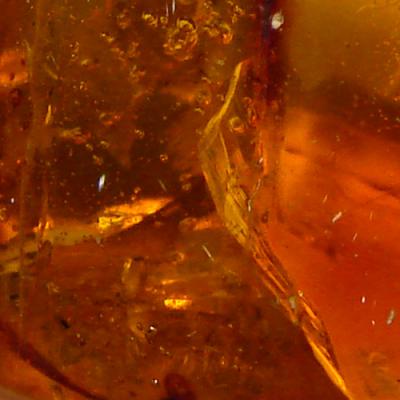
What Does Amber Smell Like?
Discover what amber truly smells like in perfumery — from rare ambergris washed ashore to modern synthetics — and why it makes every fragrance warmer.

