

Collection: Orchid Cactus Fragrances
Few flowers are as fleeting as the orchid cactus, whose spectacular blooms often open for a single night — and the perfume note captures that nocturnal magic. It unfolds as a luminous white floral with a creamy, slightly waxy sweetness, threaded with cool green and watery facets that recall the plant's succulent stems. There is a soft, almost lotus-like serenity to it, gentler and dewier than heady night flowers such as tuberose. Its character is ethereal, fresh and quietly mysterious. Orchid cactus pairs gracefully with water lily, melon-tinged aquatics, transparent musks and pale woods, giving compositions the mood of a moonlit garden: petals glowing briefly, then gone by morning.

No products found
We don’t have a Orchid Cactus fragrance just yet — explore similar scents by family:
Woody · Oriental · Floral · Leather · Chypre · Aromatic · Citrus
Bestsellers our customers love
-
Amarena Cherry Amarena CherryVendor:Inspired by Tom Ford Lost CherryRegular price From $9.99Regular price
$390.00Sale price From $9.99Sale -
 Sold outSamples SamplesSold out
 -
Signorina Miele Signorina MieleVendor:Inspired by Dior Miss Dior ChérieRegular price From $9.99Regular price
$105.00Sale price From $9.99Sale -
Limone e Vaniglia Limone e VanigliaVendor:Inspired by Xerjoff LiraRegular price From $9.99Regular price
$305.00Sale price From $9.99Sale


About Orchid Cactus Fragrances
The orchid cactus — known botanically as Epiphyllum or night-blooming cereus — is one of the natural world's most dramatic flowering events. These tropical cacti, native to Central and South America, produce enormous, extraordinarily fragrant blooms that open only after dark and close by dawn, making their scent a rare, fleeting experience. The fragrance is richly exotic: intensely sweet, with a creamy tropical depth, soft floral warmth, and a subtle honeyed quality that feels nocturnal and almost magical in its intensity.
In perfumery, the orchid cactus accord captures the essence of this rare night-blooming flower through a blend of tropical floral molecules, heliotropin, creamy coconut-like lactones, jasmine facets, and warm musks. The result is a scent that feels simultaneously familiar and otherworldly — floral and sweet like a classic feminine fragrance, but with a tropical lushness and nocturnal depth that makes it feel special and charged. It pairs beautifully with vanilla, ylang-ylang, frangipani, sandalwood, and warm amber for rich tropical compositions, or with ozonic and citrus notes for a more modern, daytime-appropriate freshness.
Orchid cactus fragrances are crafted for moments of beauty and escape — for evenings when you want your scent to be as extraordinary as the event. They are bold, lush, and unashamedly romantic. Fragrenza's orchid cactus collection presents dupe interpretations of the finest exotic tropical floral fragrances, bringing the magic of these rare night-blooming flowers to your everyday collection.
Other Collections
Orchid Fragrances

From this collection: Champaca Cognac — Champaca Absolute by Tom Ford alternative
Explore our collection of orchid fragrances. Shop orchid perfumes and discover captivating scents.
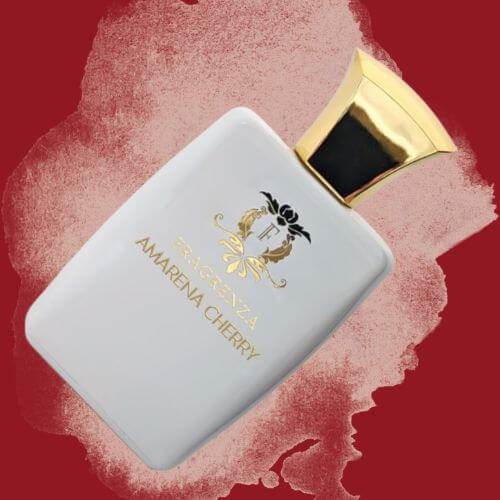
Amarena Cherry
Obsessed with cherry? If you want to really amp up the cherry scent, this Tom Ford Lost Cherry dupe will give Lost Cherry a run for its money. Black cherry, cherry syrup, and cherry liqueur all mingle together for an indulgent cherry overdose that’s complemented by notes of almond, tonka bean, Turkish rose, and jasmine sambac.
Flowers
Epiphyllum Other names: Orchid Cacti
-
Our best sellers.
-
Adeline PDM Delina dupe Better Peach Tom Ford Bitter Peach dupe Chloris Gardenia Gucci Flora Gorgeous Gardenia dupe Fearless Love Kilian's Love, Don't Be Shy dupe Selvaggio Dior's Sauvage dupe Addict Noir YSL's Black Opium dupe Empress D&G's L'Imperatrice dupe Divino Bleu de Chanel dupe Lo amo J’Adore Dior dupe Pretty Girl Carolina Herrera's Good Girl dupe
-
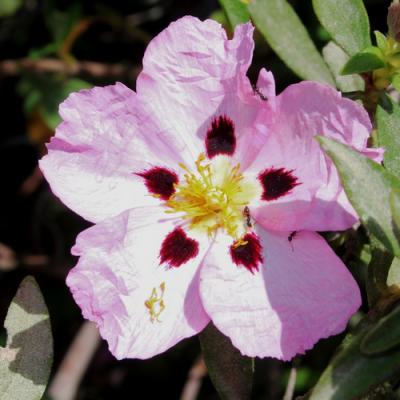
What Does Labdanum Smell Like?
Discover labdanum in perfumery — its warm, animalic, balsamic scent, history from ancient Mediterranean ritual to modern ambers, and its role in iconic fragrances.
-

What Does Patchouli Smell Like?
Patchouli smells like rich, dark earth — wet woods, chocolate, and aged leather. What it really smells like, why it’s linked to weed, and how to wear it.
-
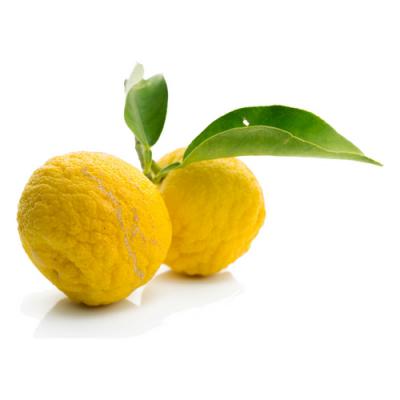
What Does Yuzu Smell Like?
What does yuzu smell like in perfumery? Explore this Japanese citrus note — its tart, floral-citrus scent, key aroma compounds, and how it elevates contemporary fragrance design.
-

What Does Amber Smell Like?
Discover what amber truly smells like in perfumery — from rare ambergris washed ashore to modern synthetics — and why it makes every fragrance warmer.

