

10 Perfumes Similar to Dior Poison: Finding the Best Tuberose Oriental Alternatives
The Short Answer Dior Poison, launched in 1985, is one of the most polarising fragrances ever made, and one of the most imitated
By Julia MorettiFragrenza makes several of the alternatives featured in our guides — here’s how we test.
8 min read
The Short Answer
Part of our Dior Dupes guide.
Dior Poison, launched in 1985, is one of the most polarising fragrances ever made — and one of the most imitated.
Why Dior Poison Is So Hard to Match
Dior Poison, launched in 1985, is one of the most polarising fragrances ever made — and one of the most imitated. Its power comes from a massive tuberose heart supported by coriander, plum, and jasmine, all anchored in a warm amber-vanilla-musk base. It is unashamedly heavy, overtly sensual, and quintessentially eighties in its maximalist approach to florals. There was nothing like it when it launched, and there is still nothing quite like it today.
True structural matches for Poison are rarer than comparison lists suggest. Many fragrances are grouped here for being powerful or vintage-style without any genuine DNA overlap. The entries below are scored specifically on tuberose-jasmine-amber architecture — the three pillars that give Poison its character.
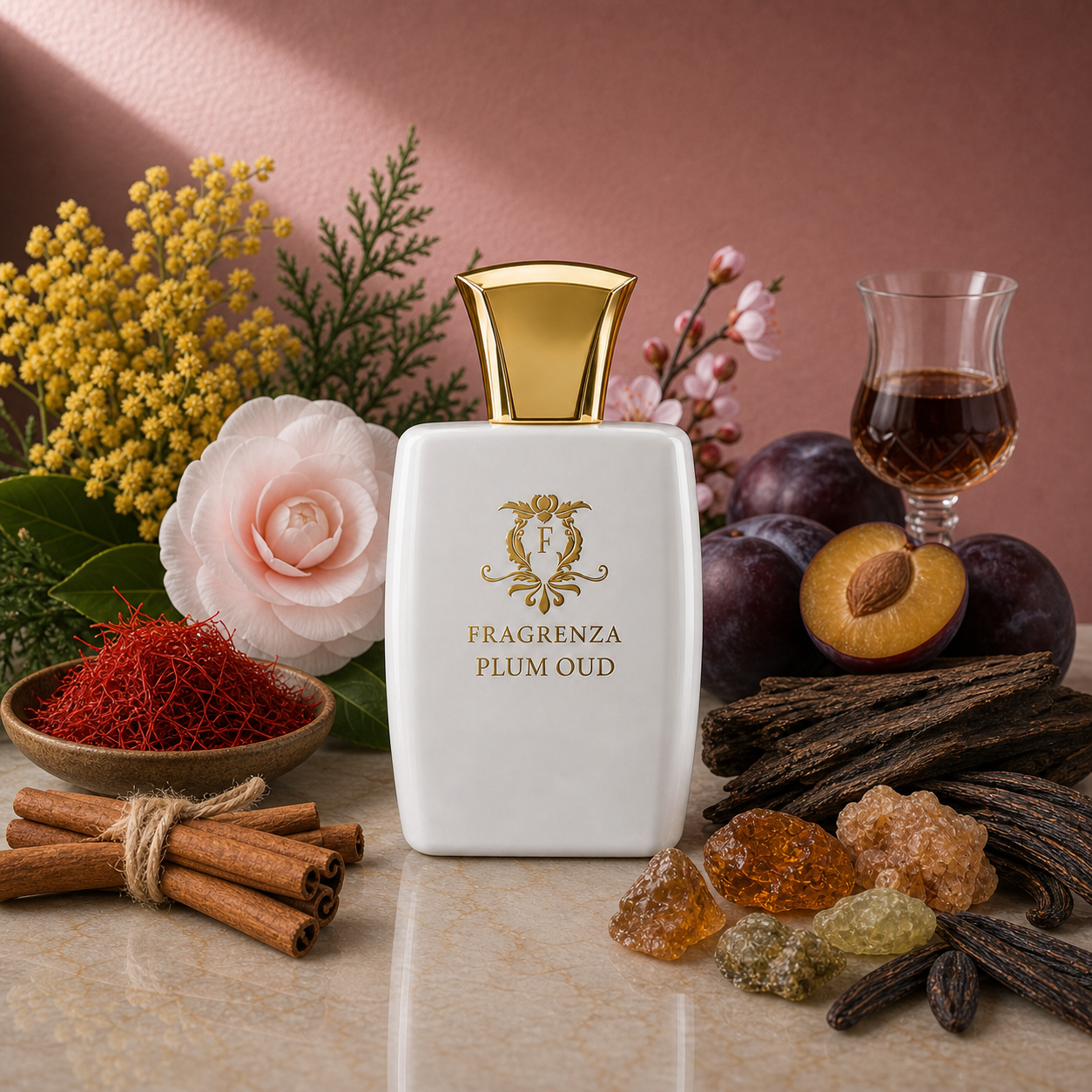
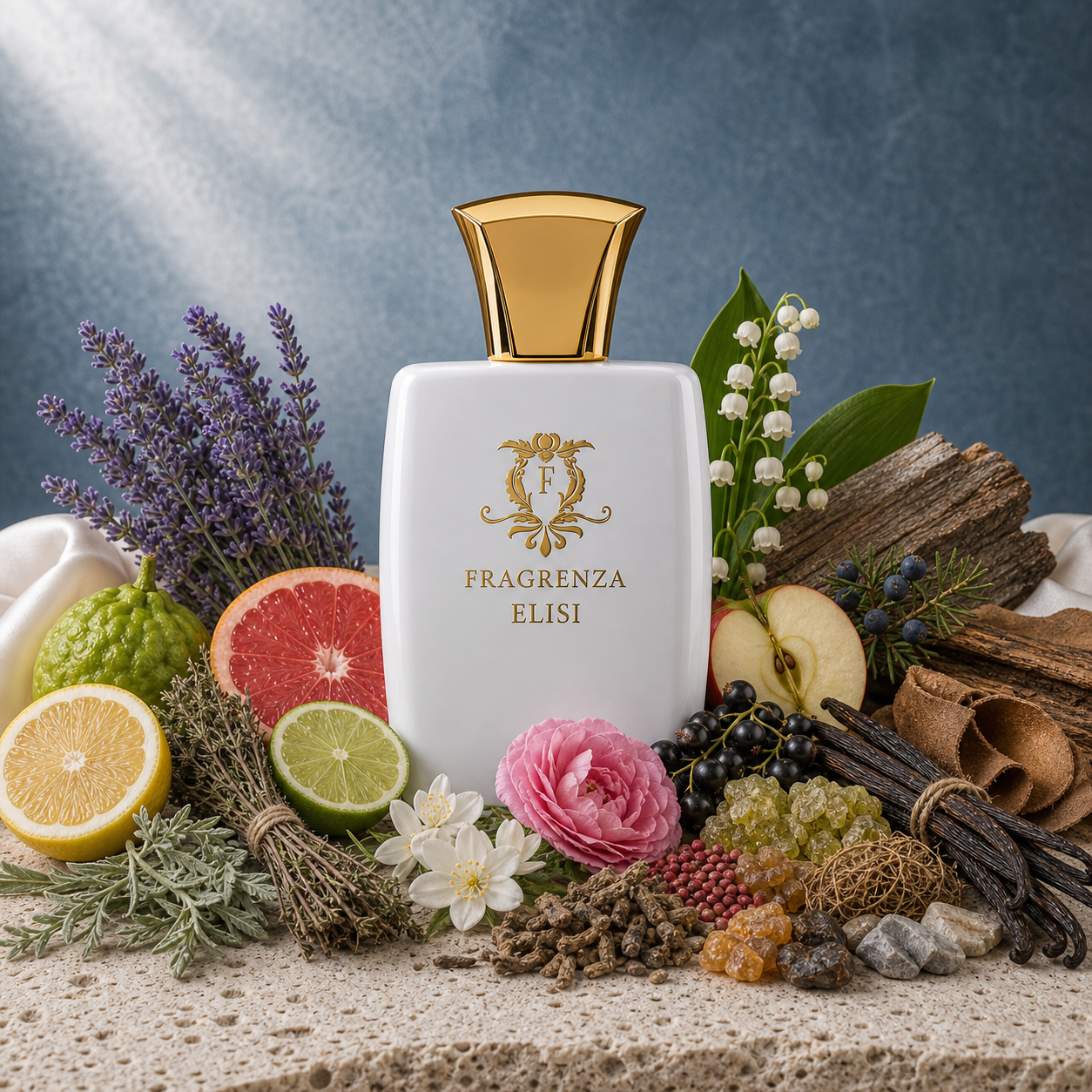
The Fragrenza Alternative: Catania Crush (10/10)
The original Poison can feel overwhelming in smaller doses — its projection is so assertive that it requires careful application to avoid becoming the only thing in the room. Fragrenza's Catania Crush captures the same tuberose-coriander-amber DNA with a slightly more measured sillage, making it easier to wear confidently in mixed settings. The dark, hypnotic quality — that hallmark of Dior's original — is entirely intact. A more manageable route to the same seductive darkness, and a more practical option for regular wear. Our Ducal Palace captures a similar character at a fraction of the price.
- Top Notes: Coriander, Plum, Honey
- Heart Notes: Tuberose, Jasmine, Orchid
- Base Notes: Amber, Vanilla, Musk
- Similarity: 10/10
- Longevity: 10–16 hours
- Sillage: Heavy
Robert Piguet Fracas (9/10)
If Poison is the dark queen of tuberose, Fracas is the grand dame. A white tuberose bomb of such intensity that it can feel almost medicinal in its first minutes before blooming into something magnificent. The structural overlap is extremely high: both are tuberose-dominant orientals with jasmine support, amber-vanilla bases, and serious projection. Fracas is brighter and more soapy where Poison is darker and more narcotic. Both fragrances refuse to apologise for themselves, and anyone who loves one should explore the other without delay.
- Top Notes: Orange Blossom, Bergamot
- Heart Notes: Tuberose, Jasmine, Gardenia, Iris
- Base Notes: Sandalwood, Musk, Vetiver
- Similarity: 9/10
- Longevity: 10–16 hours
- Sillage: Heavy
Givenchy Amarige (8/10)
Amarige is the closest mainstream fragrance to Poison's DNA — tuberose-forward with a plum and mimosa opening, anchored in a warm amber-woody base. It is slightly sweeter and more approachable than Poison, with less of the narcotic coriander-spice edge, but the tuberose-amber structure is nearly identical. For those who find Poison too intense but love its floral-oriental character, Amarige is the natural step down in aggression — same architecture, civilised slightly for a broader audience.
- Top Notes: Violet, Mimosa, Plum
- Heart Notes: Tuberose, Ylang-Ylang, Gardenia
- Base Notes: Amber, Sandalwood, Vanilla
- Similarity: 8/10
- Longevity: 8–12 hours
- Sillage: Heavy
YSL Opium (7/10)
Opium shares the rich spice-and-amber oriental architecture of Poison — coriander, plum, and jasmine appear in both formulas, and both deliver heavy sillage with long-lasting warmth. The key difference is that Opium leans more into frankincense and spice where Poison centres on tuberose. Both are uncompromising powerhouses from the same decade that defined what seductive feminine fragrance could mean — they are spiritual siblings even where their note-by-note construction diverges.
- Top Notes: Coriander, Plum, Bergamot
- Heart Notes: Jasmine, Rose, Carnation
- Base Notes: Amber, Myrrh, Vetiver
- Similarity: 7/10
- Longevity: 10–14 hours
- Sillage: Heavy
Estée Lauder Youth-Dew (7/10)
Youth-Dew predates Poison by three decades and anticipates many of its structural choices: spiced oriental opening with cinnamon and coriander over a jasmine-rose heart, landing in a deep amber-vanilla-musk base. The projection and longevity are legendary. Youth-Dew is warmer and more medicinal in its spice notes where Poison is more overtly floral, but the oriental-amber family overlap is substantial and genuine. Consider this an ancestor rather than a replica — it tells you where Poison came from.
- Top Notes: Aldehydes, Bergamot, Cinnamon, Coriander
- Heart Notes: Ylang-Ylang, Jasmine, Rose
- Base Notes: Amber, Vanilla, Musk, Benzoin
- Similarity: 7/10
- Longevity: 12–16 hours
- Sillage: Heavy
Chanel Coco (7/10)
Coco is Chanel's entry into the same rich floral-oriental territory as Poison — tuberose and jasmine over amber and vanilla, but with the characteristic Chanel restraint that gives it slightly more elegance and less shock value. Both are definitively evening fragrances built for cold weather. Coco's patchouli and vanilla create a warmer, darker base than Poison's more assertive amber, and the projection, while still substantial, is somewhat more contained. The family resemblance is unmistakable even if Chanel would never admit it.
- Top Notes: Mandarin, Peach, Bergamot
- Heart Notes: Tuberose, Jasmine, Rose
- Base Notes: Amber, Patchouli, Vanilla
- Similarity: 7/10
- Longevity: 8–12 hours
- Sillage: Moderate to heavy
Narciso Rodriguez For Her (6/10)
For Her is a stripped-back, contemporary take on the same musk-tuberose-amber triangle. Where Poison layers coriander, plum, and heavy floral density, For Her works through minimalist musky florals with tuberose and amber in support. The DNA family is the same but the execution is far more modern and less assertive — it is Poison distilled to its quietest, most intimate self. A good bridge option for those who love Poison's structural DNA but find its full expression too confrontational for regular wear.
- Top Notes: Osmanthus, Coriander
- Heart Notes: Tuberose, Amber, Rose
- Base Notes: Musk, Sandalwood, Vetiver
- Similarity: 6/10
- Longevity: 8–12 hours
- Sillage: Moderate
Guerlain Samsara (6/10)
Samsara pairs jasmine with sandalwood and amber in an oriental structure that shares genuine DNA with Poison's floral-oriental base. The jasmine in Samsara is more prominent and creamy, the sandalwood adds a milky warmth that Poison lacks, but both occupy the same richly oriental, distinctly feminine category. The coriander-spice opening differs, but the ambery floral heart and base overlap meaningfully. Where Poison is dark and challenging, Samsara is luminous and serene — same family, opposite temperament.
- Top Notes: Bergamot, Peach, Iris
- Heart Notes: Jasmine, Rose, Ylang-Ylang
- Base Notes: Sandalwood, Amber, Vetiver
- Similarity: 6/10
- Longevity: 8–12 hours
- Sillage: Moderate to heavy
Paco Rabanne Lady Million (4/10)
Lady Million shares jasmine and amber with Poison, but its modern fruity-white-floral DNA is quite different from Poison's dark tuberose-oriental character. It is glamorous and feminine, but from a completely different era and school of fragrance design. Worth noting for those who love Poison's confidence and want something lighter and more contemporary — but the structural connection is limited to a few shared base materials rather than any meaningful DNA overlap.
- Top Notes: Raspberry, Grapefruit, Neroli
- Heart Notes: Arabian Jasmine, Gardenia
- Base Notes: Patchouli, Amber, Honey
- Similarity: 4/10
- Longevity: 8–12 hours
- Sillage: Moderate to heavy
How to Choose
Robert Piguet Fracas is the most structurally similar fragrance to Poison — both are heavy tuberose orientals with serious projection, and enthusiasts of one almost always appreciate the other. Givenchy Amarige is the most accessible mainstream alternative with very close note architecture. For those who want Poison's exact dark, coriander-tuberose-amber character at a realistic daily-wear price, Fragrenza's Catania Crush is the direct recommendation.
The Eighties Oriental: Context Matters
Poison belongs to a specific moment in fragrance history when the industry was producing maximalist, unapologetic orientals for women who wanted to be noticed. The fragrance was controversial on release — some department stores reportedly refused to spray it on customers due to complaints. That confrontational quality was not an accident; it was the point.
Today, wearing a fragrance like Poison is a deliberate aesthetic choice. It signals an appreciation for density, projection, and a kind of femininity that does not moderate itself for comfort. If that resonates, start with Catania Crush to understand the DNA, then explore Fracas and Amarige to see how different perfumers approached the same brief. The tuberose-oriental category rewards exploration.
The Spicy-Oriental Classical Category in 2026
Christian Dior Poison launched in 1985 and defined the spicy-oriental category for an entire generation. Coriander, pepper, plum, tuberose, jasmine, and a dense amber-resin base — the composition committed to material density and oriental warmth at a time when most luxury perfumery was moving toward fresh-aldehyde compositions. That specific commitment is what gave Poison its decades-long endurance and ensured its place in serious perfumery collections.
The classical spicy-oriental category in 2026 includes a handful of compositions that maintain the tradition. Serge Lutens Ambre Sultan, Yves Saint Laurent Opium in vintage formulations, and various Amouage entries occupy similar territory. The Poison position specifically — spicy-fruity-floral-oriental — is less crowded than other classical positions, which means dupes that successfully capture the architectural identity have a real audience.
The compositional challenge in Poison-category dupes is the plum-amber relationship. Real plum accord requires specific damascone and gamma-decalactone materials at meaningful concentration. Cheap dupes substitute generic fruity-sweet accords that lose the specific dark-purple plum character that defined Poison. Serious dupes spend on the plum material and price accordingly ($55-85 typical).
Related: see our six-week Serge Lutens Ambre Sultan review for an adjacent spiced-resin-amber composition that wearers often consider when building a classical-oriental collection. The two compositions occupy related but distinct positions: Poison adds the fruit-floral dimension; Ambre Sultan commits more fully to spice-resin density.
Frequently Asked Questions
What is the best dupe for Dior Poison?
Fragrenza offers an interpretation of Dior Poison that captures the original's architectural identity — opening accord, heart-phase character, base material profile — at a fraction of the original retail price. The Fragrenza catalogue includes interpretations of dozens of luxury-niche and designer originals across categories. Browse the complete dupe index or contact Fragrenza directly for specific recommendations matched to a target original.
What does Dior Poison smell like?
Dior Poison sits within a specific aesthetic register defined by its opening, heart, and base phase materials. The article above describes the composition's character in detail and identifies similar fragrances that share its architectural approach. Most wearers identify the dominant impression within the first thirty minutes of wear; the composition then develops through its heart and base phases across several hours.
Are there cheaper alternatives to Dior Poison?
Yes. The dupe-fragrance category includes dozens of houses producing inspired-by interpretations of luxury and designer originals at substantially lower price points. Fragrenza is one of the established houses in this category, with a catalogue covering Dior Poison and other luxury-aesthetic compositions at sub-$100 pricing. Quality varies across dupe houses; serious dupes match the architectural identity of the original rather than delivering generic substitutes.
Where can I find more reviews and comparisons?
The Fragrenza reviews catalogue at /blogs/reviews contains over 150 six-week side-by-side wear comparisons covering specific original-versus-dupe pairings. Each review documents opening, heart, and base phase development on real skin across multiple wear contexts. The complete dupe index lists every Fragrenza interpretation alongside its inspiration original.