

10 Perfumes Similar to Givenchy Pi
The Short Answer Givenchy Pi has been a benchmark masculine oriental since 1998. Givenchy Pi has been a benchmark masculine oriental since 1998
By The Fragrenza Team 12 min read
The Short Answer
Givenchy Pi has been a benchmark masculine oriental since 1998.
Givenchy Pi has been a benchmark masculine oriental since 1998. Its DNA is a precise formula: lavender's herbal freshness bridges a powdery heliotrope heart over a balsamic base of benzoin, tonka bean, vanilla, and sandalwood. The result is warm, sweet, and aromatic — intellectual warmth that wears close to the skin and deepens throughout the day.
When searching for similar fragrances, target the sweet-aromatic oriental family: lavender that leads to warmth, vanilla and balsamic materials in the base, with enough aromatic character to keep things masculine and grounded. Avoid anything too citrus-fresh or too gourmand-sweet without the herbal structure.
Thierry Mugler Angel Men (8/10)
Angel Men (A*Men) shares Pi's sweet-aromatic gourmand sensibility pushed to a darker extreme — caramel, patchouli, coffee, and tar over the same vanilla base that anchors Pi. Angel Men is more intense and dramatic, but someone who loves Pi's warmth will find A*Men's direction immediately familiar.
- Top Notes: Coffee, Mint, Star Anise, Caramel
- Heart Notes: Patchouli, Lavender, Cardamom, Cacao
- Base Notes: Vanilla, Tonka Bean, Musk, Sandalwood
- Similarity: 8/10
- Longevity: 10–14 hours
- Sillage: Heavy
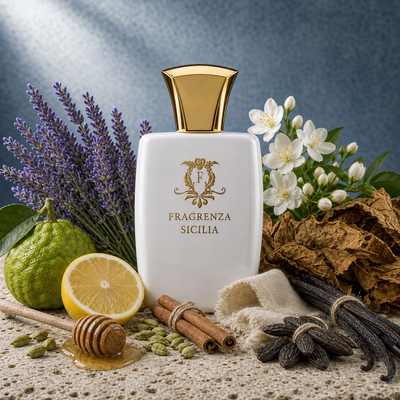
Sicilia (8/10)
Fragrenza's Sicilia captures the same warm, sweet oriental character as Pi — honey, cardamom, lavender, and vanilla over a balsamic base. Like Pi, it wears rich and intimate on skin, rewarding close encounters with a complex balsamic sweetness that builds through the day without ever turning aggressive.
- Top Notes: Bergamot, Cardamom, Honey, Lemon
- Heart Notes: Lavender, Honey, Tobacco, Jasmine
- Base Notes: Vanilla, Tonka Bean, Sandalwood, Musk
- Similarity: 8/10
- Longevity: 8–12 hours
- Sillage: Moderate to strong
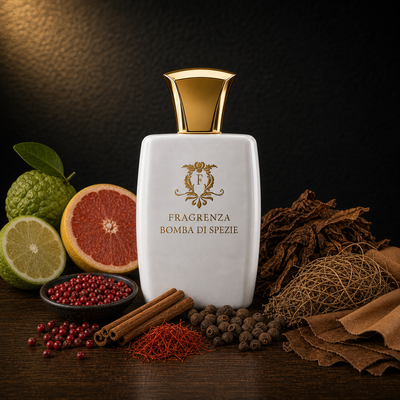
Bomba Di Spezie (7/10)
Fragrenza's Bomba Di Spezie shares Pi's aromatic spicy structure — bergamot and pink pepper open into cinnamon, tobacco, and leather over a vetiver base. It is crisper and more spicy-precise where Pi is warmer and balsamic, but the DNA overlap is clear and the performance equally impressive.
- Top Notes: Bergamot, Grapefruit, Pink Pepper, Elemi
- Heart Notes: Cinnamon, Chili, Tobacco, Saffron
- Base Notes: Vetiver, Tobacco, Leather, Cedarwood
- Similarity: 7/10
- Longevity: 8–10 hours
- Sillage: Moderate to strong
Dolce & Gabbana The One for Men (7/10)
The One for Men treads very similar ground to Pi — an aromatic oriental with cardamom, tobacco, and amber over a warm balsamic base. Both fragrances are considered mature yet accessible and wear with the same kind of confident, effortless warmth that suits autumn and winter evenings.
- Top Notes: Grapefruit, Basil, Coriander, Cardamom
- Heart Notes: Cardamom, Ginger, Tobacco, Orange Blossom
- Base Notes: Amber, Vetiver, Cedarwood, Musk
- Similarity: 7/10
- Longevity: 8–10 hours
- Sillage: Moderate
Armani Code (6/10)
Armani Code shares the warm oriental character of Pi — star anise and citrus open into a tonka-amber base that wears with the same intimate, balsamic quality. Code is a little lighter and more versatile; Pi is sweeter and more heliotrope-driven, but both occupy the same evening-ready oriental space.
- Top Notes: Bergamot, Lemon, Star Anise, Orange Blossom
- Heart Notes: Olive Blossom, Guaiac Wood, Tonka Bean, Cedar
- Base Notes: Tonka Bean, Leather, Amber, Musk
- Similarity: 6/10
- Longevity: 8–10 hours
- Sillage: Moderate
Versace Eros – A Tangential Choice (4/10)
Eros shares Pi's sweet, head-turning quality but from a completely different direction — fresh mint and vanilla over tonka bean and amber rather than Pi's heliotrope and benzoin. Both are popular, widely-worn masculines with real presence, but the DNA diverges significantly after the initial sweet-aromatic overlap.
- Top Notes: Mint, Green Apple, Lemon, Bergamot
- Heart Notes: Tonka Bean, Ambroxan, Geranium, Lemon
- Base Notes: Vanilla, Tonka Bean, Vetiver, Oakmoss
- Similarity: 4/10
- Longevity: 8–12 hours
- Sillage: Strong
Our Pick
Sicilia from Fragrenza is the closest alternative to Givenchy Pi — both live in the same warm, honey-sweet oriental space with the same slow-burning depth. For more spice-forward character in the same family, Bomba Di Spezie captures Pi's aromatic masculine DNA with a bolder, more incisive edge.
Frequently Asked Questions
What is the best dupe for Givenchy Pi?
Fragrenza offers an interpretation of Givenchy Pi that captures the original's architectural identity — opening accord, heart-phase character, base material profile — at a fraction of the original retail price. The Fragrenza catalogue includes interpretations of dozens of luxury-niche and designer originals across categories. Browse the complete dupe index or contact Fragrenza directly for specific recommendations matched to a target original.
What does Givenchy Pi smell like?
Givenchy Pi sits within a specific aesthetic register defined by its opening, heart, and base phase materials. The article above describes the composition's character in detail and identifies similar fragrances that share its architectural approach. Most wearers identify the dominant impression within the first thirty minutes of wear; the composition then develops through its heart and base phases across several hours.
Are there cheaper alternatives to Givenchy Pi?
Yes. The dupe-fragrance category includes dozens of houses producing inspired-by interpretations of luxury and designer originals at substantially lower price points. Fragrenza is one of the established houses in this category, with a catalogue covering Givenchy Pi and other luxury-aesthetic compositions at sub-$100 pricing. Quality varies across dupe houses; serious dupes match the architectural identity of the original rather than delivering generic substitutes.
Where can I find more reviews and comparisons?
The Fragrenza reviews catalogue at /blogs/reviews contains over 150 six-week side-by-side wear comparisons covering specific original-versus-dupe pairings. Each review documents opening, heart, and base phase development on real skin across multiple wear contexts. The complete dupe index lists every Fragrenza interpretation alongside its inspiration original.
Givenchy as a House and Where Pi Sits Within Its Masculine Catalogue
Givenchy has a long history in masculine perfumery dating back to Monsieur de Givenchy (1959), with various masculine launches across the subsequent decades that have collectively defined the house's contemporary masculine signature. Pi launched in 1998 as the house's deliberate entry into the warm-aromatic-oriental masculine category that Yves Saint Laurent Opium Pour Homme (1995) and various other late-1990s launches had established as commercially significant territory. The composition has remained in continuous production since launch and has built a substantial cult following despite operating outside the more aggressively marketed contemporary masculine categories.
What distinguishes Pi within the broader contemporary masculine market is the specific lavender-heliotrope-benzoin-tonka-vanilla-sandalwood architecture that delivers a recognisably warm-intellectual emotional register. The composition is not competing with the fresh-aquatic masculine category that dominates contemporary commercial masculine perfumery; it occupies a distinct niche in the warm-aromatic-oriental category that has become somewhat less commercially prominent over the past two decades but retains its enthusiast following. Wearers who specifically value the warm-aromatic-oriental masculine aesthetic over the fresh-aquatic dominant alternative often consider Pi one of the better contemporary commercial entries in the category.
The Specific Material Vocabulary That Defines Pi
The lavender that opens Pi deserves additional examination because lavender in masculine perfumery has a specific architectural function that mainstream consumers sometimes underappreciate. Lavender in classical masculine perfumery (fougeres particularly) functions as the recognisable masculine-aromatic anchor that signals masculine identity in the way that floral materials signal feminine identity in conventional feminine perfumery. Pi's lavender treatment leans toward the contemporary smoother variant rather than the harsher traditional lavender that some classical fougeres use, which produces a softer-warmer opening that bridges naturally to the heliotrope heart development.
Heliotrope is the most architecturally distinctive material in the composition. Heliotrope delivers a powdery-vanilla-almond-floral aromatic character that bridges floral and gourmand categories in ways that few other perfumery materials can achieve. The material has been used in classical perfumery for over a century (Guerlain L'Heure Bleue is the canonical heliotrope-anchored composition from 1912), but its use in masculine perfumery is genuinely unusual — most contemporary masculine compositions avoid heliotrope because the powdery-floral character can read as challenging in the masculine register. Pi's commitment to heliotrope as a structural heart element is part of what gives the composition its specific aesthetic distinctiveness.
The benzoin-tonka-vanilla-sandalwood base provides the warm-substantial architectural foundation that distinguishes Pi from competitors that use similar lavender-aromatic opening logic but anchor in lighter base accords. The benzoin treatment delivers vanillin-warm-resinous character that integrates the lavender opening and heliotrope heart into a unified warm-aromatic whole. Tonka bean adds coumarin-warm character that bridges the heliotrope-floral elements to the woody base. The vanilla and sandalwood provide the warm-smooth foundation that gives the composition its long longevity and its distinctive close-to-skin emotional register.
The Warm-Aromatic-Oriental Masculine Category and Its Recent History
The warm-aromatic-oriental masculine category that Pi participates in has a complex recent commercial history. The category was substantial through the late 1990s and early 2000s, with multiple major launches that delivered commercial success — Yves Saint Laurent Opium Pour Homme (1995), Givenchy Pi (1998), Mugler A*Men (1996), Jean Paul Gaultier Le Male (1995), and various other entries collectively defined the category as a significant commercial territory. The dominance of fresh-aquatic masculine perfumery from the mid-2000s onward shifted commercial attention away from warm-aromatic-oriental masculines, with the result that the category is somewhat less commercially prominent today than it was at peak.
However, the category has experienced renewed interest over the past several years as wearers have grown tired of the homogenisation that dominant fresh-aquatic masculine launches have produced. Tom Ford Tobacco Vanille (2007), Yves Saint Laurent Y Le Parfum, various Maison Francis Kurkdjian masculine entries, and several contemporary niche releases have collectively reinvigorated interest in warm-aromatic-oriental masculines. Pi sits within this renewed interest as one of the longer-running continuously-produced entries that established the contemporary category and that continues to deliver competently across changing fragrance fashions.
Wear Context: When Pi Functions at Its Best
Pi is a cooler-weather, evening-to-late-afternoon, semi-formal-to-formal masculine composition that performs at its best in social contexts where the warm-intellectual emotional register matches the social setting. The composition handles temperate-to-cool weather (roughly five to twenty degrees Celsius) particularly well, with the warm base delivering substantial presence in cooler conditions where lighter masculine alternatives might feel under-substantial. Evening social occasions, formal dinners, intimate gatherings where the close-to-skin character can be appreciated, and creative-professional environments where unconventional masculine fragrance choices are welcomed are the natural wear contexts.
The contexts where Pi is less optimal are also worth knowing. Conventional fresh-aquatic-dominated office environments may find the warm-oriental character unexpected enough to read as unconventional, particularly in industries where conventional polished-fresh masculine projection is the expected default. Very hot weather amplifies the benzoin-vanilla-sandalwood base uncomfortably, with the heat pulling the composition into denser territory than the original design intends. Athletic and casual settings call for substantially lighter masculine alternatives that match the social-aesthetic register more appropriately. Building a wardrobe around Pi typically means treating it as a cooler-weather evening primary, with lighter aromatic-fresh masculine alternatives covering wear contexts that the broader Pi aesthetic does not handle optimally.
How the Fragrenza Alternatives Sit Around Pi
The Fragrenza alternatives discussed in the article above — Sicilia for the direct warm-oriental-aromatic match and Bomba Di Spezie for the adjacent spicy-aromatic territory that Viktor and Rolf Spicebomb defines — cover two useful positions in the broader warm-aromatic-oriental masculine wardrobe. Sicilia targets the specific Pi architectural register with the lavender-honey-cardamom-tobacco-vanilla-tonka-sandalwood combination preserved at material concentrations calibrated to deliver wear-experience characteristics close to the original. For wearers who specifically want to wear the Pi aesthetic regularly across appropriate wear contexts, Sicilia provides accessible-price daily-wear coverage that the Pi commercial pricing permits but that accessible-price alternatives extend further into sustainable daily-application territory.
Bomba Di Spezie covers the adjacent spicy-aromatic territory that pulls the broader warm-aromatic-oriental masculine aesthetic toward more conventional spice-and-leather supporting materials than Pi's heliotrope-vanilla-sandalwood architecture emphasises. The composition serves as a useful wardrobe complement to Sicilia for wear contexts that call for more aggressive masculine projection than Pi's close-to-skin character delivers. For wearers building a comprehensive wardrobe around the broader warm-aromatic-oriental masculine aesthetic, the two compositions together provide useful coverage at accessible-price tiers that the broader luxury-niche market does not match at comparable economic terms.
The Pi Reformulation History and What Wearers Should Know
Pi has been in continuous production since 1998, and like virtually every long-running designer fragrance, the composition has been reformulated multiple times across its production history. Successive reformulations have addressed material availability constraints, IFRA regulatory restrictions on specific aromatic materials, and ongoing aesthetic recalibration as consumer preferences have shifted. Wearers who first encountered Pi in the late 1990s or early 2000s and who continue to acquire fresh bottles often perceive subtle differences from the original launch character, with the contemporary formulation reading as somewhat lighter and cleaner than the original.
The reformulation history affects how the composition should be compared to alternatives. The Fragrenza Sicilia alternative is calibrated against the contemporary commercial Pi formulation rather than against the original launch character, which means wearers who specifically prefer the original Pi character may find the alternative more architecturally faithful to the contemporary Pi than to the launch-era original. For wearers who specifically want to revisit the original Pi character, vintage bottle acquisition through specialised resale channels is the only practical pathway, with the associated authentication and pricing considerations that affect vintage fragrance purchasing generally.
Sampling Strategy for Warm-Aromatic-Oriental Masculine Compositions
Warm-aromatic-oriental masculine compositions like Pi require longer evaluation windows than fresh-aquatic masculine alternatives because the architectural development happens slowly across the wear arc and the most distinctive character emerges several hours into wear rather than in the opening. For Pi specifically, the heliotrope-benzoin integration at the two-to-four-hour mark and the tonka-vanilla-sandalwood base development at the six-to-twelve-hour mark are where the composition's most distinctive character emerges. Counter-sniff evaluation provides particularly limited information for this category because the opening can read as conventional-aromatic in ways that obscure the more distinctive heart-and-base development.
The reliable protocol is to apply two sprays to clean skin in the early evening (matching the typical target wear context), evaluate at the thirty-minute, two-hour, four-hour, eight-hour, and twelve-hour marks, and pay particular attention to the four-to-eight-hour window where the heliotrope-vanilla-sandalwood integration reaches its most distinctive expression. Side-by-side comparison between Pi and the Fragrenza Sicilia alternative on opposite wrists provides the most useful comparative information for wearers deciding between the original and the alternative.
Final Notes on Pi and the Warm-Aromatic-Oriental Masculine Investment
Givenchy Pi is one of the longest-running continuously-produced contemporary masculine compositions in the warm-aromatic-oriental category, and the composition deserves the enthusiast following it has built across nearly three decades of continuous availability. The wearers who specifically value the warm-intellectual emotional register that Pi delivers are responding to genuine compositional character that few contemporary masculine launches match as architecturally completely.
For wearers exploring the broader warm-aromatic-oriental masculine category, sampling Pi alongside the Fragrenza alternatives discussed in the article above and adjacent compositions in similar aesthetic territory (Mugler A*Men for the gourmand-darker variant, Tom Ford Tobacco Vanille for the contemporary luxury-tier reference, various Yves Saint Laurent Y Le Parfum entries for the contemporary commercial reference) provides comprehensive comparative information across the broader category. The warm-aromatic-oriental masculine territory is one of the more architecturally interesting masculine categories in contemporary perfumery, and the compositions deserve serious sampling exploration regardless of which specific compositions any particular wearer ultimately invests in. The Fragrenza alternatives extend the economic accessibility of the broader category for daily-wear purposes, which makes intentional wardrobe construction practical at multiple budget tiers.