10 Perfumes Similar to Portrait of a Lady by Frédéric Malle: Spicy Scents
By The Fragrenza Team 7 min read
Portrait of a Lady by Frédéric Malle is one of the great fragrances of the 21st century — a monumental rose built on a foundation of cinnamon, frankincense, and patchouli that transforms the queen of perfumery flowers into something altogether darker, more complex, and more architecturally ambitious. The rose at the heart is centifolia, a hundred-petaled variety from Grasse that provides both floral brightness and honeyed depth. The spice is not decorative but structural: cinnamon and clove provide warmth and friction, frankincense adds a sacred smokiness, and the patchouli base anchors the whole composition in earthy, resinous darkness. Portrait of a Lady is a fragrance you wear, not apply — it requires presence, confidence, and a willingness to be noticed.
What Makes Portrait of a Lady Special
The genius of Portrait of a Lady lies in what perfumer Dominique Ropion does with scale. Most rose fragrances choose between the flower’s delicate, dewy facets and its dark, jammy ones. Portrait of a Lady refuses this choice, presenting both simultaneously — the rose is simultaneously fresh and smoldering, bright and dark, romantic and architectural. This is achieved through the spice-and-frankincense structure that frames the rose without obscuring it, allowing its complexity to unfold over hours of wear. Portrait of a Lady is not a rose fragrance for people who like roses; it is a rose fragrance for people who believe roses are capable of more than they are typically asked to do.
1. Maison Francis Kurkdjian Oud Satin Mood
Oud Satin Mood shares Portrait of a Lady’s commitment to opulent, dark femininity built on quality materials and architectural ambition. The rose, oud, and vanilla accord has a similarly lush, multi-dimensional character: like Portrait of a Lady, it uses rose as a primary material but refuses to limit it to simple floral prettiness, instead anchoring it in dark wood and resin. Oud Satin Mood is slightly warmer and more obviously oriental; Portrait of a Lady is spicier and more structured. Both belong to the highest category of contemporary feminine niche perfumery.
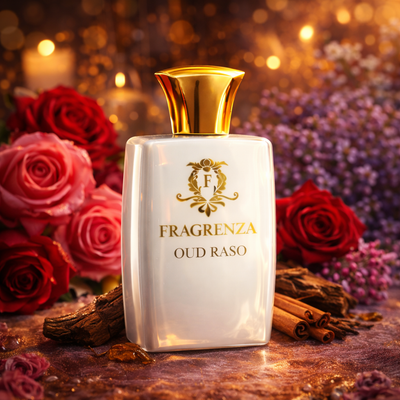
Oud Raso by Fragrenza
Oud Raso captures the dark, velvet-rose-and-oud opulence of the MFK Oud Satin Mood family with genuine richness and depth. The rose-oud accord is warm and beautifully rendered, the base provides the necessary resinous darkness, and the overall effect is a fragrance of real luxury — one that sits naturally alongside Portrait of a Lady in the most demanding and discerning fragrance wardrobe. For those who love Portrait of a Lady’s dark rose grandeur and want to explore its oud-inflected possibilities, Oud Raso is an excellent choice.
2. Serge Lutens Sa Majesté la Rose
Sa Majesté la Rose shares Portrait of a Lady’s belief that the rose is worthy of the grandest possible olfactive treatment — both fragrances refuse the comfortable, pretty rose in favor of something more ambitious and complex. Serge Lutens’ version is more purely rosy and more powdery in its interpretation, while Portrait of a Lady builds its rose on a spiced, frankincensed foundation. Both, however, belong to the tradition of serious rose perfumery that treats the flower as a material of architectural significance rather than mere decoration.
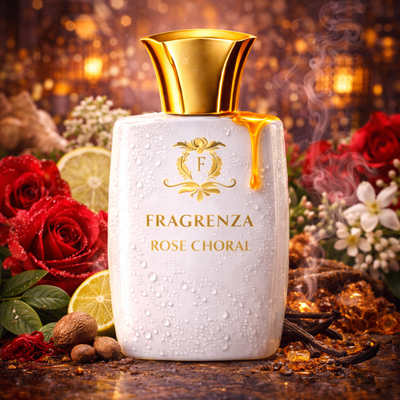
Rose Choral by Fragrenza
Rose Choral approaches the rose with the same seriousness that Portrait of a Lady demands — a fragrance in which the flower is examined carefully, presented honestly, and supported by a base that gives it genuine depth and complexity. The rose accord is rich and multi-faceted, the construction provides the necessary architectural support, and the overall fragrance belongs to the tradition of great rose perfumery that Portrait of a Lady exemplifies. For those who love Portrait of a Lady’s rose and want to explore different interpretations of that core material, Rose Choral is an excellent companion.
3. Reminiscence Patchouli
Reminiscence Patchouli might seem like an unexpected companion to Portrait of a Lady, but patchouli is in many ways the structural backbone of Ropion’s composition — the dark, earthy material that grounds the rose and gives the spice somewhere to live. Both fragrances are built around patchouli as a primary architectural material rather than a background note, and both use it to create depth and earthiness that lifts the whole composition above conventional florals or orientals into something more complex. Patchouli without the rose is Portrait of a Lady stripped to its foundations.
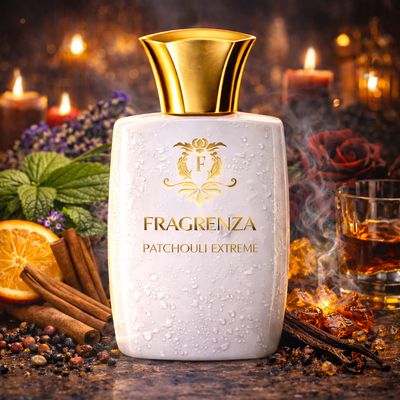
Patchouli Extreme by Fragrenza
Patchouli Extreme explores the same dark, earthy richness that anchors Portrait of a Lady’s base with full commitment and no apology. The patchouli accord is genuine and well-rendered — rich, slightly sweet, deeply grounding — and the overall fragrance provides the same earthy, resinous foundation that makes Portrait of a Lady so enduring. For those who love Portrait of a Lady’s patchouli-dark base and want to explore that material as a subject in its own right, Patchouli Extreme is the natural destination.
4. Dior Midnight Poison
Midnight Poison shares Portrait of a Lady’s love of dark florals built on a spiced, resinous base — both fragrances use rose as their floral center and spice-and-resin as their structural support. Midnight Poison is more patchouli-bergamot in its approach, with a distinctly nocturnal character that echoes Portrait of a Lady’s own refusal of daylight prettiness. Where Portrait of a Lady is grandiose and architectural, Midnight Poison is slightly more intimate and more gothic. Both, however, belong to the tradition of serious dark florals that treat femininity as something complex and powerful rather than merely pretty.

Ducal Palace by Fragrenza
Ducal Palace renders the dark floral-oriental architecture of the Dior Midnight Poison family with richness and genuine character. The dark floral accord over a warm, resinous base has the same nocturnal, serious quality that Portrait of a Lady lovers will recognize — femininity not as decoration but as presence. The overall effect is a fragrance of real depth and sophistication that sits naturally in the same wardrobe as Portrait of a Lady, providing a slightly more intimate, slightly darker companion to Ropion’s monumental rose.
5. Yves Saint Laurent Opium
Opium is Portrait of a Lady’s ancestor — the fragrance that proved, in 1977, that a feminine could be built on spice and resin rather than delicate florals and musks, and that this approach could produce something genuinely monumental. The rose-carnation-frankincense accord shares Portrait of a Lady’s fundamental DNA: dark florals over spice over resin, with maximum impact and no interest whatsoever in understatement. Opium is slightly older in its construction and more overtly oriental; Portrait of a Lady is more modern and architecturally precise. But the family resemblance is unmistakable.
6. Guerlain Shalimar
Shalimar is another ancestor in Portrait of a Lady’s lineage — the original dark oriental feminine that established the grammar of rose-over-amber-over-vanilla as a legitimate and glorious olfactive structure. Portrait of a Lady takes this grammar and modernizes it, replacing Shalimar’s powdery-vanilla base with patchouli-frankincense darkness and amplifying the rose from a supporting note to the architectural center. Both fragrances belong to the great oriental tradition of feminine perfumery that believes bigger is better and restraint is overrated.
7. Cartier La Panthere Parfum
La Panthere Parfum shares Portrait of a Lady’s love of a serious, non-pretty rose over a rich, complex base. Cartier’s version uses civet and white musks to give the rose an animalic, almost dangerous quality; Portrait of a Lady uses spice and patchouli to give it architectural grandeur. Both fragrances belong to the tradition of the femme fatale rose — the fragrance that refuses the comfortable, pretty interpretation and insists on something more complex, more powerful, and more impossible to ignore.
8. Bulgari Rose Goldea
Rose Goldea is a more accessible, more overtly glamorous take on the serious rose that Portrait of a Lady represents. Where Portrait of a Lady is architectural and complex, Rose Goldea is opulent and immediately appealing — a rose wrapped in jasmine and musk with a warm, amber base that provides richness without the patchouli darkness of Ropion’s composition. Rose Goldea is recommended for Portrait of a Lady admirers who want the same fundamental rose-over-warmth architecture in a more accessible, more immediately beautiful expression.
9. Giorgio Armani Privé Rose d’Arabie
At roughly a 5 out of 10 DNA similarity, Rose d’Arabie shares Portrait of a Lady’s love of a serious, oud-spiced rose in the oriental tradition. Armani’s version is slightly more conventional in its oriental construction — rose, oud, and incense in a more predictable sequence — while Portrait of a Lady achieves something less categorizable and more architecturally original. Both, however, belong to the category of uncompromising dark rose orientals that prioritize impact and longevity over accessibility and daily wearability.
10. Estee Lauder Youth Dew
At around a 4 out of 10 DNA match, Youth Dew represents a tangential historical connection — the great 1953 oriental feminine that established the spiced-resin approach to feminine fragrance that Portrait of a Lady would later perfect. Youth Dew is more aldehydic and more powdery in its interpretation of spice-over-resin; Portrait of a Lady is more architectural and more rose-centric. But both belong to the same tradition of unapologetically bold, spiced feminine orientals that refuse conventional florals and refuse conventional restraint. Youth Dew is the grandmother; Portrait of a Lady is the granddaughter who took the family’s best qualities and made them new again.