

The Art of Bespoke Perfumery in 2026: Why Personalised Fragrance Is Having a Moment
The Art of Bespoke Perfumery in 2026: Why Personalised Fragrance Is Having a Moment, an editorial deep-dive on notes, character, and how to wear it
By Julia MorettiFragrenza makes several of the alternatives featured in our guides — here’s how we test.
9 min read
Bespoke perfumery sits at the most rarefied end of the fragrance world. The phrase refers to the practice of commissioning a custom composition built around the personal preferences, history, and chemistry of a single client. The process typically involves multiple sessions with a perfumer, several weeks or months of iteration, and a final formula owned by the client and (usually) never sold to anyone else. Pricing ranges from several thousand to several hundred thousand pounds depending on the perfumer, the materials, and the depth of the engagement.
The cultural appeal of bespoke perfumery is obvious: a fragrance built precisely for you, by a working artist, using materials selected without regard to commercial constraints. The reality of the practice is more nuanced, and most wearers who pursue bespoke discover that the experience involves trade-offs they did not anticipate. Understanding both the genuine value and the genuine limitations of bespoke perfumery is essential for anyone considering whether to commission a custom composition or whether the same goals might be served more efficiently through other means.
What Bespoke Perfumery Actually Involves
The bespoke process generally begins with an extended conversation between the perfumer and the client. The perfumer asks about scent memories, preferred fragrances, lifestyle, daily routines, climates the client travels through, and the contexts in which the finished composition will be worn. Many perfumers also ask about skin chemistry, dietary patterns that affect scent metabolism, and even personality assessments that inform aesthetic direction.
From this conversation the perfumer develops a creative brief, then begins blending. The first trial composition is typically presented within a few weeks. The client wears it for a period (anywhere from days to weeks), provides feedback, and the perfumer iterates. Most bespoke commissions involve four to eight iterations before the formula is finalised, and the total elapsed time from first conversation to finished bottle is rarely less than three months and often closer to a year.
The final composition is delivered as a bottle of finished fragrance, sometimes accompanied by the formula itself, and often with provisions for the client to order additional batches in future without going through the full process again.
Where Bespoke Perfumery Genuinely Excels
The most significant value bespoke perfumery delivers is the dialogue. The process of articulating what you want in a fragrance, having those preferences interpreted by a skilled artist, and then refining the result through iteration is genuinely educational. Most clients emerge from a bespoke commission with a much clearer understanding of their own preferences than they had at the start, and that understanding remains useful long after the bottle has been emptied.
Bespoke also genuinely excels at incorporating specific materials or olfactory references that mainstream and even niche compositions do not provide. A client who wants a fragrance built around the specific roses grown in their childhood garden, or who wants to incorporate a tobacco their grandfather smoked, or who wants the scent of a particular Mediterranean coastline at dusk, can have those references woven into the composition with a precision that off-the-shelf fragrance cannot match.
Where Bespoke Perfumery Often Disappoints
The most common disappointment is that the finished composition is not as transformative as expected. The expectation of bespoke is often that a fragrance built specifically for you will fit your chemistry and preferences with a precision that off-the-shelf compositions cannot match. In practice, the variability of skin chemistry, the influence of mood and weather on perception, and the simple fact that all fragrances behave somewhat differently across wearings mean that even a perfectly tailored composition still feels like a fragrance rather than a magical extension of self.
The second disappointment is the price-to-benefit ratio. A bespoke composition typically costs the equivalent of dozens of high-end niche fragrances, but it produces a single olfactory option rather than the variety that a fragrance wardrobe of comparable cost would provide. For many wearers, the wardrobe approach delivers more satisfaction across the full range of contexts in which fragrance matters.
The third disappointment is that the iterative process can be exhausting. Articulating preferences clearly enough for a perfumer to interpret them is harder than most clients expect. Many bespoke commissions end with a composition that is close to what the client wanted but not exactly right, and the question of whether to invest in another round of iteration or to accept the result becomes a tedious negotiation rather than a creative pleasure.
Quality Alternatives to Bespoke
For wearers who want the experience of a custom composition without the cost and complexity of true bespoke, several alternatives offer most of the benefits at a fraction of the investment.
The first alternative is to assemble a fragrance wardrobe of high-quality niche compositions that collectively cover the contexts where you wear fragrance. The depth of expression available across a thoughtfully chosen niche collection often exceeds what a single bespoke composition can deliver, because each composition can be optimised for a different context.
Sensual Flame
illustrates the quality available in the niche category for evening wear. The composition uses a creamy floral heart against a spiced amber base, with the kind of architectural sophistication that bespoke clients commonly request when describing what they want in a personal evening fragrance. For many wearers, a composition like this delivers all the personal resonance they were seeking from bespoke without requiring months of iteration.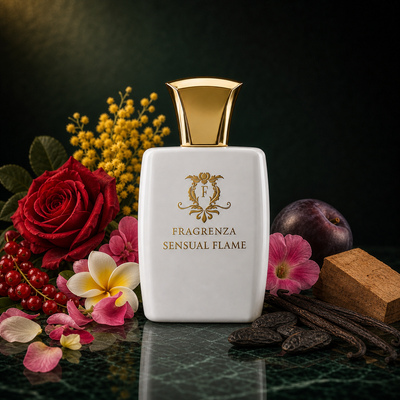
Vanilla Delight
Bontà
occupies the more architecturally ambitious end of the gourmand spectrum. The composition uses pistachio, creamy lactonic notes, and an amber base in a way that reads as an Italian dessert rather than a generic sweet fragrance. Wearers commissioning bespoke gourmands often describe wanting exactly this kind of culturally specific reference woven through the composition.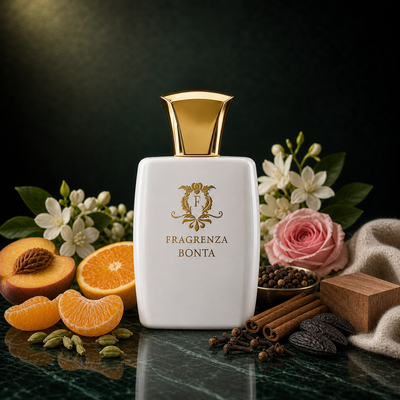
For warm-weather wear, Felce Marina
demonstrates how niche compositions can deliver the geographic specificity that bespoke clients often request. The Mediterranean fougère architecture combines aromatic herbs, salty marine notes, and a soft mossy base in a way that reads unmistakably as a coastal landscape. For wearers seeking a fragrance with the kind of place-specific resonance that bespoke commissions aim to achieve, a thoughtfully chosen niche composition can deliver the same effect for vastly less investment.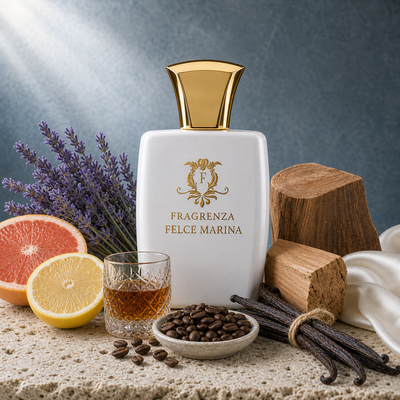
How to Decide Whether Bespoke Is Right for You
Three diagnostic questions help clarify whether a bespoke commission would deliver value beyond what a thoughtful niche wardrobe provides. First, do you have a specific olfactory reference (a person, a place, a memory) that no commercial composition has ever captured? If yes, bespoke can incorporate that reference directly. Second, do you place high value on the process itself, the dialogue with a working artist, the iterative refinement? If yes, bespoke delivers the experience even if the finished composition is not transformative. Third, can you afford the commission without it feeling like a financial stretch? Bespoke that strains the budget rarely delivers satisfaction, because the financial pressure colours the entire experience.
If you answered yes to all three questions, bespoke is likely to be rewarding. If you answered no to any of them, the niche wardrobe approach probably delivers more satisfaction at lower cost and less complexity.
How to Approach a Bespoke Commission
For wearers who decide to commission bespoke, several practices improve the outcome. Choose the perfumer carefully based on their existing portfolio rather than their reputation. Pay attention to whether their commercial compositions resonate with you, because a perfumer's bespoke work tends to extend rather than contradict their existing aesthetic. Be honest about your preferences even when they feel unsophisticated. The perfumer needs accurate information, not aspirational positioning. Provide written feedback rather than only verbal feedback, as written articulation forces more precise thinking. And accept that the finished composition is the start of a relationship with the fragrance rather than the end of a creative process.
Related Reads
- What is niche perfumery: the alternative tradition
- How to choose your signature scent: framework for wardrobe building
- Exploring niche fragrances: deepening your architectural understanding
- Oud in Perfumery: a common bespoke material
- Vanilla in Perfumery: the comfort material bespoke clients often request
- Sensual Flame: niche depth comparable to bespoke commissions
Frequently Asked Questions
How much does bespoke perfumery cost?
Pricing varies widely depending on the perfumer and the scope of the engagement. Entry-level custom commissions from emerging perfumers can start around five thousand pounds, while commissions from established names with significant industry reputations can exceed one hundred thousand pounds. The typical range for a serious bespoke commission from a recognised perfumer falls between fifteen and fifty thousand pounds, including all iterations and the first batch of finished fragrance.
How long does the bespoke process take?
From the first consultation to the delivery of the final bottle, most bespoke commissions take six to twelve months. The actual perfumer time is much shorter, but the iterative process of presenting trial compositions, having the client wear and assess them, and returning feedback for the next iteration introduces substantial elapsed time. Clients in a hurry are generally not good candidates for bespoke.
Can I get the same result from a niche wardrobe?
For most wearers, yes. A carefully assembled niche wardrobe covering the contexts in which fragrance matters often delivers more total satisfaction than a single bespoke composition, because each composition can be optimised for a specific context. The exceptions are wearers who have very specific olfactory references that no commercial composition has captured, or who place high value on the bespoke process itself as a creative experience.
Do bespoke fragrances actually fit my chemistry better?
Sometimes, but not as reliably as the marketing suggests. Skin chemistry varies day to day with diet, hormones, weather, and stress, which means even a perfectly tailored composition still behaves variably across wearings. The fit advantage of bespoke is real but often more modest than expected.
Who are the most respected bespoke perfumers?
Several names recur in serious discussion of contemporary bespoke practice, but the field includes both established perfumers offering custom work alongside their commercial lines and dedicated bespoke specialists. The quality of the work matters more than the recognition of the name, and any wearer considering bespoke should review the perfumer's existing portfolio carefully before committing.
What happens to the formula after the commission is finished?
Practices vary. Some perfumers provide the client with the formula and reserve the right to repeat it for that client only. Others retain the formula in their archive and produce reorders on demand. A few sell the formula outright to the client. Clarify these terms in writing before commissioning, as the question of ownership becomes important if the client wants to ensure future access to the composition.
The Bottom Line
Bespoke perfumery is genuinely valuable for the right wearer in the right circumstances, but for most fragrance enthusiasts, a thoughtfully assembled niche wardrobe delivers more total satisfaction at lower cost and less complexity. Approach bespoke as a creative experience rather than a shortcut to a perfect fragrance, and choose the wardrobe approach if your goals are primarily about owning compositions that suit your life.