

Seasonal Scents: Discover the Perfect Fragrances for Every Season
As seasons change, so does our mood, attire, and, most interestingly, our fragrance preferences
By Julia MorettiFragrenza makes several of the alternatives featured in our guides — here’s how we test.
13 min read
As seasons change, so does our mood, attire, and, most interestingly, our fragrance preferences. Each season carries its unique aura, calling for a scent that complements its spirit. Dive into the world of seasonal scents with Fragrenza, as we unveil our top fragrance recommendations tailored to the mood of every season.
Spring: Rebirth and Renewal
Spring is synonymous with blooming flowers, chirping birds, and a sense of rejuvenation. Embrace fragrances that echo this awakening:
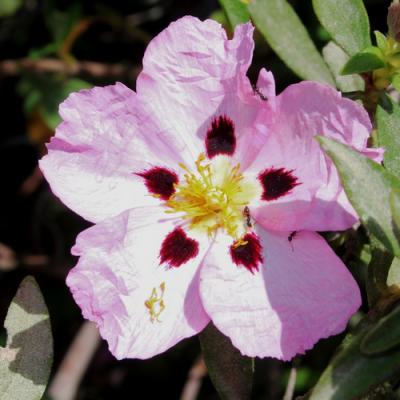
- Floral Blossoms: A bouquet of fresh roses, lilies, and jasmine can lift the spirits and embody the essence of spring.
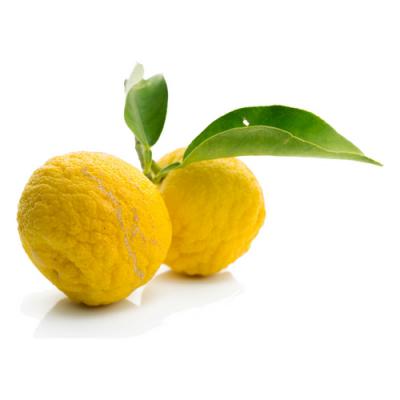
- Citrus Zest: Think of zesty lemon, sparkling bergamot, and juicy mandarin to bring a burst of freshness.
Summer: Vibrancy and Warmth
Summer evokes images of sunny beaches, tropical fruits, and endless blue skies. Reflect this lively spirit with:
- Tropical Fruits: Fragrances infused with notes of coconut, mango, or passion fruit encapsulate the tropical essence.
- Marine Notes: Dive into cool oceanic scents with hints of seaweed, sea salt, and aqua to stay refreshed.
Fall: Coziness and Transition
Autumn is a season of transition, painted in shades of orange, brown, and gold. Choose scents that exude warmth and depth:
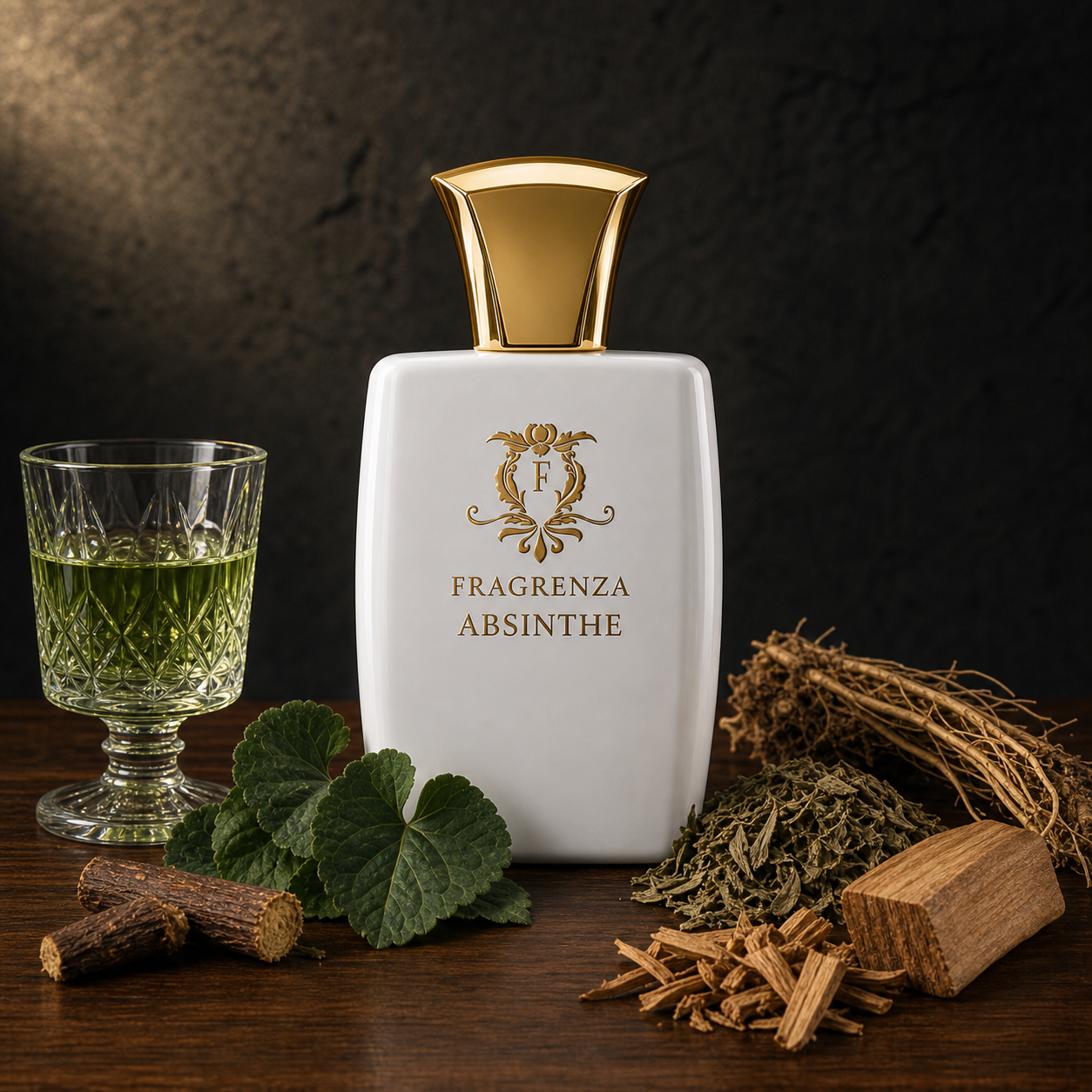
- Woody Accords: Embrace the earthiness of sandalwood, cedar, or oud for a grounding experience.
- Spicy Undertones: Scents with cinnamon, nutmeg, and clove can wrap you in a cozy blanket of warmth.
Winter: Intimacy and Reflection
Winter, with its snow-laden landscapes and chilly breezes, calls for fragrances that resonate with its intimate nature:
- Oriental Resins: Rich notes of amber, myrrh, and frankincense can warm the coldest of days.
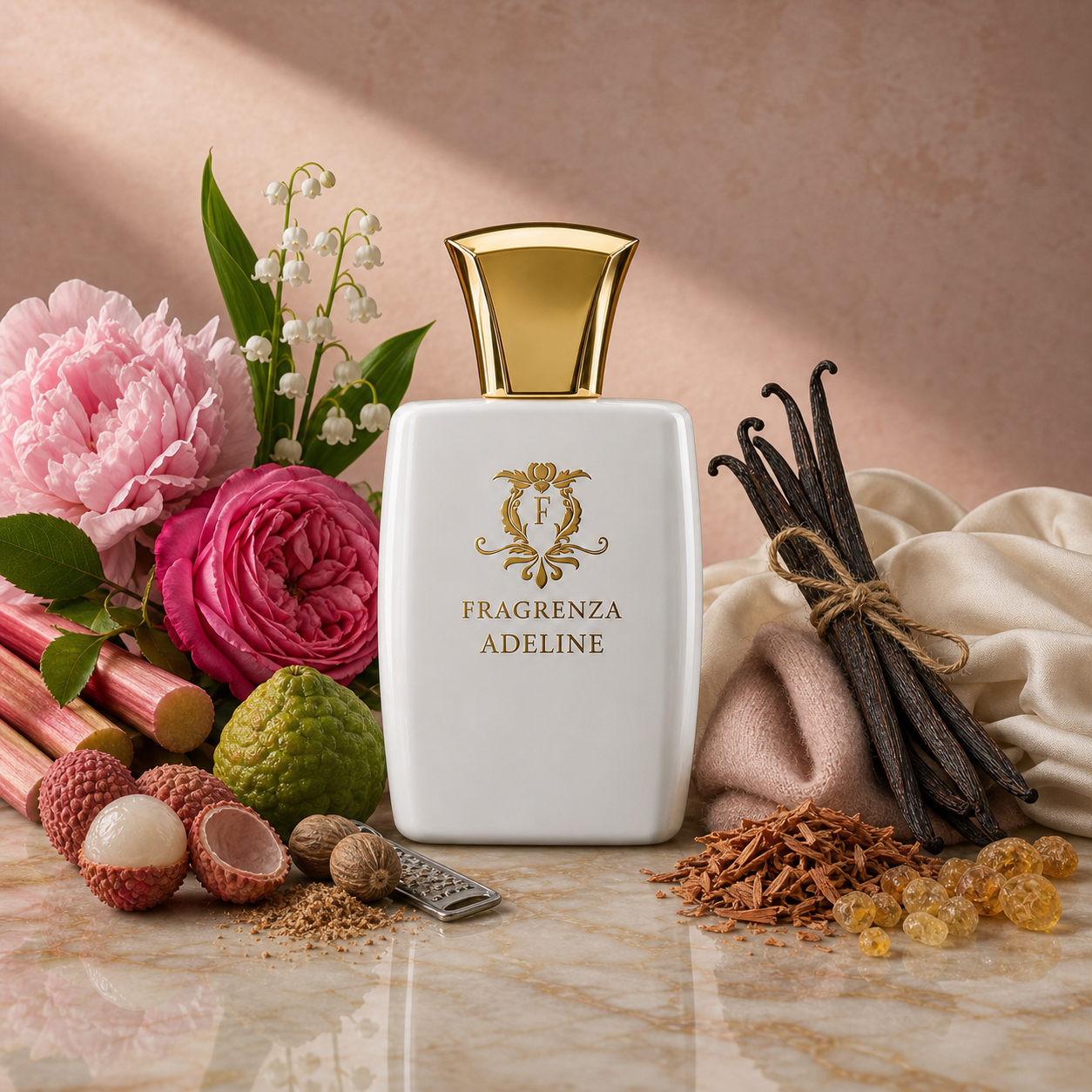
- Gourmand Delights: Indulge in fragrances laced with vanilla, caramel, or cocoa to comfort the soul.
Conclusion
Every season has its unique character, and the right fragrance can enhance and complement its beauty. By aligning our scent choices with the shifting moods of nature, we not only elevate our olfactory experience but also resonate deeper with the world around us. Explore Fragrenza's collections and find your perfect seasonal scent today!
Why Seasonal Fragrance Rotation Actually Works
Most fragrance wearers stick to one or two signature scents year-round. That habit underutilizes how fragrance actually interacts with environment. A composition designed for cool dry air projects differently in humid summer heat — same molecules, fundamentally different experience. Wearers who rotate fragrances by season aren't being indulgent; they're matching the composition to the conditions where its perfumer intended it to work best.
The seasonal rotation concept also expands your collection's effective utility. A single $80 fragrance worn year-round delivers maybe 200 quality wears across its life before you tire of it. Four $80 fragrances rotated by season deliver 800+ quality wears because each one stays fresh longer — you encounter it for three months, set it aside for nine, then return to find it interesting again. The math favors variety.
Spring: Green, Floral, Fresh-Light
Spring fragrance choice should account for unstable weather (cool mornings, warm afternoons, occasional showers) and the cultural association with renewal and freshness. Three compositional registers work best:
Green-aromatic compositions (galbanum, violet leaf, fig leaf, grass accord) pair perfectly with spring's natural greenery resurgence. Reference points: Chanel No. 19, Cristalle, Diptyque Philosykos, Annick Goutal Eau de Camille.
Light floral compositions (peony, lily of the valley, freesia, light rose) match the visual season. References: Diptyque Eau Rose, Chloé Eau de Parfum, Cartier Baiser Volé, Lanvin Éclat d'Arpège.
Fresh-citrus with floral heart compositions bridge winter heaviness and summer brightness. References: Hermès Eau de Pamplemousse Rose, Atelier Cologne Pomélo Paradis, MFK Aqua Universalis.
What to avoid in spring: heavy orientals (too dense for the warming weather), aquatic-marine compositions (too summer-coded, will feel premature), and strong gourmands (clash with the lighter mood).
Summer: Citrus, Aquatic, Mineral, Marine
Summer is the hardest season for fragrance because heat amplifies projection dramatically and humidity extends longevity beyond design intent. Most regular fragrances feel "too much" in summer conditions. The solution is choosing compositions specifically designed for these conditions.
Citrus-cologne family is the obvious answer — Acqua di Parma Colonia, the entire 4711 family, Guerlain Eau de Cologne Impériale. These were literally invented to be refreshing in warm weather. Modern reinterpretations: Atelier Cologne's range, Hermès Eau de Néroli Doré.
Mineral-aquatic compositions evoke water and stone — Issey Miyake L'Eau d'Issey, Creed Silver Mountain Water, Davidoff Cool Water, Jo Malone Wood Sage and Sea Salt. These read clean-cool rather than ozonic-synthetic.
Marine-aromatic compositions feel beach-appropriate — Maison Margiela Replica Beach Walk, Tom Ford Soleil Blanc, Aerin Mediterranean Honeysuckle.
Light fresh-fougère compositions work for masculine wearers — Acqua di Parma Colonia Pura, Hermès Terre d'Hermès Eau Très Fraîche, Penhaligon's Sartorial in lighter wears.
Critical summer technique: reduce application by 30-50% from your normal volume, and apply to lower body locations (chest, inner elbows, behind knees) where projection is less aggressive than wrists and neck.
Autumn: Chypre, Oriental-Light, Spice-Fruity, Smoky
Autumn is fragrance's most flexible season. Cool nights and warm afternoons support compositions across a wide register. Three category clusters work especially well:
Chypre compositions (bergamot-oakmoss-labdanum-patchouli architecture) feel inherently autumnal — the bitter-green-mossy register matches falling leaves and forest atmosphere. References: Chanel Mademoiselle Coco, Guerlain Mitsouko, Frederic Malle Le Parfum de Thérèse, Estée Lauder Knowing.
Light orientals bridge autumn and winter without committing to the heaviest cold-weather references. Examples: Hermès Ambre Narguilé, Diptyque L'Ombre dans l'Eau, Annick Goutal Songes.
Spice-fruity compositions match autumn cuisine and atmosphere — cinnamon, clove, apple, plum, dark berries. References: Diptyque L'Eau, Etat Libre d'Orange Like This, certain Bond No. 9 entries.
Smoky-tea compositions evoke autumn warmth — Bvlgari Black, Lalique Encre Noire, Comme des Garçons Tea series.
Winter: Oriental, Gourmand, Woody-Resinous, Leather, Heavy Floral
Winter is fragrance's most generous season. Cold air slows molecular evaporation, dry indoor heat doesn't amplify projection unsustainably, and heavy compositions read appropriate rather than overwhelming. This is when the densest, most complex luxury-niche compositions deliver their best performance.
Classical orientals were designed for winter wear — Yves Saint Laurent Opium, Christian Dior Poison, Guerlain Shalimar in vintage formulations. The amber-spice-resin density that feels heavy in July reads luxurious in January.
Gourmand compositions match comfort-food culture and dark-evening atmosphere — Thierry Mugler Angel, Tom Ford Tobacco Vanille, Maison Margiela Replica By the Fireplace, Pierre Guillaume Iceberg.
Woody-resinous compositions feel inherently winter — Serge Lutens Feminite du Bois, Bois 1920 Sutra Ylang, Lalique Encre Noire, Comme des Garçons Wonderwood.
Leather family is best worn in winter — Tom Ford Tuscan Leather, Knize Ten, Bottega Veneta Eau de Parfum. Cold air gives leather its full dimensional development.
Heavy florals work in winter where they'd be oppressive in summer — Frederic Malle Carnal Flower, Robert Piguet Fracas, Givenchy L'Interdit Intense. Cold weather lets the tuberose-jasmine density develop without dominating.
The Transitional Strategy: Building a Year-Round Rotation
For wearers building serious collections, the practical approach is a 4-fragrance rotation aligned to seasons, plus 2-3 transitional "bridge" compositions for shoulder seasons (early spring still cold, late spring already warm, late summer heat lingering, early fall still summer-like).
A working example: Acqua di Parma Colonia (summer), Tom Ford Soleil Blanc (high summer/beach), Frederic Malle Portrait of a Lady (autumn/winter), Maison Margiela By the Fireplace (winter), Diptyque Philosykos (spring/summer transition), Chanel Coco Mademoiselle (fall/winter transition). Six compositions, full year coverage, never the wrong fragrance for the conditions.
This rotation can be assembled across price tiers. Luxury-niche references at retail cost $300-500 each — a $2,000+ commitment for the full rotation. Quality dupes capture the architectural identity at $50-90 per composition — the same six-composition rotation for $300-540 total. For wearers exploring how seasonal rotation actually feels before committing to luxury bottles, the dupe approach lets you discover what works without the financial commitment.
Climate-Specific Adjustments
Standard seasonal advice assumes temperate four-season climate. Tropical, desert, alpine, and Mediterranean climates require different rotations because their seasons differ.
Tropical climates need year-round summer rotation with occasional "dry season" rotation toward fresher woody-cool compositions. Heavy orientals rarely work outside of air-conditioned evening contexts.
Desert climates support traditional oud, amber, and resin compositions year-round because the dry heat allows these dense materials to project without becoming oppressive. The cultural origin of oud appreciation in Arabian Peninsula reflects this climate fit.
Alpine/high-altitude climates need winter-style compositions extended through more of the year, plus heavy moisturization since cold dry air dehydrates skin rapidly.
Mediterranean climates need light citrus-aromatic compositions year-round with seasonal variation in the heart-note register — light floral in spring, fresh-aromatic in summer, soft-spice in fall, gentle-amber in winter. Never the dense full-winter rotation that temperate climates support.
Internal Cross-References
For deeper material on the science behind seasonal fragrance behavior, see our article on how weather affects perfume, which details the molecular mechanics of why temperature and humidity change fragrance development. For specific category guides matched to seasonal fits, browse our reviewer-format six-week tests at /blogs/reviews — each review documents how the composition performs across different temperature and humidity contexts during the testing period.
The Specific Material Categories That Define Spring-Appropriate Compositions
The broader spring-appropriate fragrance category emphasises specific material categories that perform optimally in the broader cool-to-temperate spring weather conditions. Fresh-floral materials (lily of the valley, peony, freesia, magnolia, and adjacent fresh-floral materials) provide the broader fresh-feminine emotional register that the broader spring season's emerging-floral natural aesthetic supports. Green-aromatic materials (galbanum, violet leaf, tomato leaf, and adjacent green-aromatic materials) provide the broader green-fresh character that complements the broader spring renewal-aesthetic.
The broader spring-appropriate masculine compositions typically emphasise lighter aromatic-fougère territories (lavender, bergamot, and supporting aromatic materials) that the broader masculine perfumery tradition has developed extensively. Bright-citrus compositions (bergamot, lemon, mandarin, neroli, and adjacent citrus-anchored materials) provide additional spring-appropriate coverage for both masculine and feminine wardrobes. The broader Fragrenza catalogue provides substantial coverage of the broader spring-appropriate compositional territory at accessible-price commercial positioning.
The Specific Material Categories That Define Summer-Appropriate Compositions
The broader summer-appropriate fragrance category emphasises specific material categories that perform optimally in the broader warm-to-hot summer weather conditions. Fresh-aquatic materials (calone-based marine accords, watery-floral materials, and adjacent fresh-aquatic materials) provide the broader fresh-summer emotional register that the broader summer season's high-temperature conditions support. Bright-citrus compositions extend their broader spring-appropriate utility into the broader summer category, with the broader Mediterranean-citrus tradition (Erba Pura, Acqua di Parma Colonia, and adjacent Mediterranean-citrus compositions discussed extensively in adjacent articles in this series) providing substantial summer-appropriate coverage.
The broader summer-appropriate compositions typically operate at lighter overall concentrations than the broader cooler-weather categories require, with the broader summer heat conditions amplifying heavier projection uncomfortably. Tropical-floral materials (frangipani, ylang-ylang, tiare flower, and adjacent tropical-floral materials) provide additional summer-appropriate coverage for feminine and unisex wardrobes. Light-musk compositions provide the broader sustained-wear summer-appropriate base coverage that heavier oriental-amber alternatives typically cannot provide comfortably in summer heat conditions.
The Specific Material Categories That Define Autumn-Appropriate Compositions
The broader autumn-appropriate fragrance category emphasises specific material categories that perform optimally in the broader cool-to-cold autumn weather conditions. Warm-spicy materials (cardamom, cinnamon, clove, nutmeg, saffron, and adjacent warm-spicy materials) provide the broader warm-spicy emotional register that the broader autumn season's cooling temperature and changing natural aesthetic support. Woody materials (cedar, sandalwood, vetiver, oakmoss, and adjacent woody materials) provide the broader woody-grounding character that complements the broader autumn forest-aesthetic.
Tobacco-anchored compositions (Tom Ford Tobacco Vanille, MFK Lyric, and adjacent tobacco-anchored luxury-niche compositions) provide additional autumn-appropriate coverage at the broader luxury-niche tier. The broader Fragrenza catalogue and adjacent accessible-price inspired-by market provide substantial accessible-price coverage of broader tobacco-warm-woody territory that the broader autumn-appropriate category supports. Gourmand-warm compositions (vanilla, caramel, coffee, chocolate-anchored materials) provide additional autumn-appropriate coverage for casual-romantic wardrobe positions.
The Specific Material Categories That Define Winter-Appropriate Compositions
The broader winter-appropriate fragrance category emphasises specific material categories that perform optimally in the broader cold winter weather conditions. Substantial oriental-amber materials (amber-anchored compositions, oud-anchored compositions, substantial-resinous materials) provide the broader substantial-warm emotional register that the broader winter season's cold temperature conditions support optimally. The broader winter cold conditions allow substantial concentration without the broader heat-amplification problems that affect heavier compositions in warmer seasons.
Substantial-leather compositions (Tom Ford Tuscan Leather, Bottega Veneta Pour Homme, and adjacent leather-anchored compositions) provide additional winter-appropriate coverage at multiple price tiers. The broader oud-anchored compositions across multiple cultural traditions (Western luxury-niche, Gulf-tradition, accessible-price inspired-by) provide substantial winter-appropriate coverage that the broader contemporary fragrance market has developed extensively. Substantial-gourmand compositions (chocolate-vanilla-coffee anchored compositions) provide additional winter-appropriate coverage for casual-romantic wardrobe positions.
The Practical Seasonal Wardrobe-Building Approach
For wearers building intentional seasonal wardrobes, the practical approach typically involves acquiring multiple specific compositions covering different seasonal positions rather than committing to single year-round compositions that cannot optimally cover all seasonal conditions. The broader four-season wardrobe approach typically requires four to eight specific compositions covering different seasonal-appropriate territories, with selective acquisition across multiple specific compositions providing more interesting wardrobes than redundant accumulation within any single seasonal position.
The broader practical seasonal wardrobe-building approach typically benefits from selective luxury-niche acquisition for compositions that specifically warrant the substantial pricing combined with broader accessible-price coverage from the broader Fragrenza catalogue and adjacent inspired-by market. The combination produces seasonal wardrobes that combine sophisticated cross-tier aesthetic capability with sustainable daily-wear economics across the broader contemporary fragrance market.
The Specific Climate Considerations That Affect Seasonal Composition Selection
The broader climate considerations that affect seasonal composition selection extend beyond purely calendar-based seasonal categories. Wearers in tropical climates (where year-round warm-to-hot conditions prevail) typically benefit from emphasising fresh-aquatic, bright-citrus, and light-floral compositions across most of the year, with cooler-weather composition utility substantially limited compared to wearers in temperate climates. Wearers in continental climates (where substantial seasonal variation occurs) benefit from intentional four-season wardrobe building.
Wearers in Mediterranean climates typically benefit from emphasising fresh-aromatic, bright-citrus, and Mediterranean-aromatic compositions across substantial portions of the year, with cooler-weather composition utility moderate. Wearers in northern climates (where substantial winter cold conditions dominate substantial portions of the year) benefit from emphasising substantial-warm, oud-anchored, and oriental-amber compositions across substantial portions of the year, with summer-appropriate composition utility substantially limited. The broader climate-aware seasonal wardrobe-building approach produces more practically-useful seasonal wardrobes than purely calendar-based seasonal approaches typically produce.
The Specific Wear-Context Considerations Within Seasonal Categories
The broader wear-context considerations within seasonal categories extend the broader seasonal wardrobe-building approach into multiple specific within-season wear-context positions. Spring daytime professional contexts call for substantially different compositions than spring evening romantic contexts, with the broader within-season wear-context diversity supporting multiple specific compositions covering different within-season positions. Summer daytime casual contexts call for substantially different compositions than summer evening formal contexts.
The broader within-season wear-context wardrobe-building approach typically requires substantial wardrobe diversity within each broader seasonal position, with selective acquisition across multiple specific within-season positions providing more interesting wardrobes than single-composition coverage of any broader seasonal position. The broader contemporary fragrance market provides substantial diversity across multiple specific within-season positions at multiple price tiers, with the broader Fragrenza catalogue and adjacent inspired-by market providing substantial accessible-price within-season coverage.
Final Notes on Seasonal Fragrance Selection and Wardrobe Building
The broader seasonal fragrance selection approach continues to develop substantially as contemporary perfumery practice continues to engage with broader seasonal-appropriate compositional categories. The broader contemporary fragrance market provides substantial coverage of broader seasonal-appropriate territories at multiple price tiers, with the broader Fragrenza catalogue and adjacent inspired-by market providing substantial accessible-price seasonal coverage that complements selective luxury-niche investment for compositions that specifically warrant the substantial pricing.
For wearers building intentional seasonal wardrobes, the broader practical approach combines selective acquisition across multiple specific seasonal positions, multiple specific climate-aware considerations, multiple specific within-season wear-context positions, and multiple specific price tiers that collectively define the broader seasonal wardrobe-building landscape. The combination produces seasonal wardrobes that engage with the broader contemporary fragrance market diversity at sustainable economic terms. The broader contemporary fragrance market continues to develop, and the broader seasonal-aware perspective enriches the broader fragrance wardrobe-building practice that purely year-round single-composition approaches typically do not deliver as completely.