The Cultural Influence on Fragrances: A Global Olfactory Journey
Fragrances are more than just pleasant aromas; they are reflections of history, geography, and cultural identities
By Julia MorettiFragrenza makes several of the alternatives featured in our guides — here’s how we test.
13 min read
Fragrances are more than just pleasant aromas; they are reflections of history, geography, and cultural identities. Throughout the ages, various cultures have left indelible marks on the world of perfumery. With Fragrenza, let's embark on a sensory journey to explore how different cultures have shaped and influenced the perfume industry.
The Middle Eastern Influence
The Middle East, with its tapestry of history, religion, and tradition, holds a special place in the annals of perfumery. Renowned for their opulent ouds, resins, and rich spices, fragrances from this region bear the weight of time-honored practices and deep cultural significance.

One cannot speak of Middle Eastern scents without mentioning the coveted oud – a resinous heartwood that comes from the aquilaria tree, known for its rich, woody aroma. This precious ingredient, often referred to as "liquid gold," has captivated perfume connoisseurs worldwide.
Apart from oud, ingredients like frankincense and myrrh have been deeply interwoven into the religious and cultural fabric of the region. Used extensively in religious ceremonies, these aromatic resins have transcended their traditional roles and found their place in many contemporary fragrances.
The artistry of the Middle East doesn't stop at the ingredients. The practice of layering scents, a nuanced ritual that involves wearing multiple fragrances to create a unique, personalized aroma, speaks volumes about the region's sophisticated approach to perfume. This tradition, deeply rooted in personal expression, has greatly influenced the global art of fragrance blending and layering.
With each spritz of a Middle Eastern fragrance, one is transported to ancient bazaars, sacred temples, and serene deserts. Through Fragrenza's Middle Eastern collection, dive deep into this olfactory journey and experience the age-old traditions and modern interpretations of this enchanting region.
India's Fragrant Legacy
India, with its vibrant tapestry of history, culture, and tradition, has long been a fragrant jewel in the world of perfumery. A land where the air is often filled with the heady scents of spices and blossoms, India's aromatic heritage spans millennia.
Central to this legacy is the use of signature ingredients such as jasmine, sandalwood, and rose. Revered not just for their enchanting aromas, these ingredients hold deep cultural and spiritual significance, often used in religious ceremonies, traditional medicine, and various rites of passage.

Moreover, India's gift to the world of perfumery - attars - stand as a testament to the country's rich olfactory traditions. These oil-based fragrances, often derived from flowers, herbs, and spices, are distilled and matured using age-old techniques. Their deep, concentrated scents have not only been cherished within the Indian subcontinent but have also inspired perfume houses globally.
Exploring Indian fragrances is akin to embarking on an olfactory journey through bustling spice markets, serene temples, and lush flower gardens. With Fragrenza's Indian collection, delve into the aromatic heart of India and discover scents that have enchanted generations.
European Elegance
The landscape of modern perfumery owes much to the European continent, particularly the aromatic prowess of countries like France and Italy. These nations, with their rich histories and meticulous craftsmanship, have sculpted an elegant narrative in the world of fragrances.
France, with regions like Provence, is globally recognized for its fragrant lavender fields that stretch as far as the eye can see. But it's not just about lavender. The French perfume industry, centered in the iconic region of Grasse, has become synonymous with luxury, sophistication, and timeless appeal. It's here that the meticulous process of extracting essences from flowers, combining them with exotic ingredients from around the world, and creating olfactory masterpieces, has been honed over centuries.
Italy, on the other hand, brings forth a zestful aroma from its sun-kissed citrus groves. Regions like Calabria are renowned for their bergamot, while Sicily's lemons are legendary. Italian perfumery, often characterized by its fresh and invigorating scents, draws inspiration from the country's rich history, art, and culture.
Together, these European countries offer a fragrant tapestry that combines traditional methods with innovative techniques. At Fragrenza's European collection, one can embark on an olfactory journey that captures the essence of European elegance and sophistication.
The Latin American Zest
Latin America, a vibrant mosaic of cultures, traditions, and landscapes, brings forth a bounty of aromatic wonders to the world of perfumery. The region, blessed with a diverse tropical climate, nurtures an array of exotic ingredients that have left indelible marks on fragrances globally.
From the deep, velvety aroma of cacao that evokes memories of ancient rituals and ceremonies to the sweet allure of vanilla, which has graced countless perfumes with its comforting warmth, Latin America's contributions are manifold. And who can overlook the tangy, zesty notes of tropical fruits? Their lively essence captures the very spirit of Latin festivals, dances, and the passion that is intrinsic to its people.

At Fragrenza's Latin American collection, aficionados can explore a world of scents that pulsate with the rhythm and heartbeat of Latin lands. Each bottle is a testament to the region's zest for life, its rich history, and its unparalleled natural bounty.
African Essence
Africa, often referred to as the cradle of civilization, is a kaleidoscope of traditions, stories, and landscapes. Its vast expanse, ranging from golden deserts to lush rainforests, is mirrored in the multifaceted fragrances that originate from this land.
Key ingredients like the robust African geranium, which lends a green, rosy nuance with a hint of mint, have made their way into numerous fragrant concoctions. The Moroccan rose, with its spicy, honeyed depth, evokes images of bustling souks and ancient medinas, while the Egyptian jasmine, an emblem of nocturnal beauty, enchants with its heady, sensual aroma.
Through Fragrenza's African Essence collection, fragrance enthusiasts can embark on a sensory journey across this mesmerizing continent. Each fragrance captures the essence, the spirit, and the very soul of Africa, inviting wearers to weave their own tales of mystery, adventure, and discovery.
The Far Eastern Mystique
The Far East, with its deep-rooted traditions and reverence for nature, has always had a distinct and spiritual relationship with fragrances. Countries like Japan and China, renowned for their art, culture, and philosophy, approach the world of perfumery with a sense of precision, balance, and minimalism.
Ingredients such as green tea, a symbol of purity and harmony, play a prominent role in this olfactory journey. Its crisp, refreshing aroma captures the essence of early morning tea ceremonies, a sacred ritual in these lands. The ethereal scent of bamboo, synonymous with resilience and elegance, evokes the serene beauty of bamboo forests swaying gently in the breeze. The sweet, apricot-like aroma of osmanthus, a fragrant gem of the Far East, paints olfactory pictures of moonlit gardens and festive celebrations.
Fragrenza's Far Eastern Mystique collection invites individuals to delve deep into these aromatic stories, offering a harmonious blend of simplicity and sophistication that epitomizes the spirit of the Far East.
Countries like Japan and China have a minimalist and precise approach to fragrances. Ingredients like green tea, bamboo, and osmanthus, often used in Far Eastern perfumery, evoke a sense of tranquility and harmony with nature, resonating with the philosophical beliefs of these cultures.
Conclusion
The world of fragrances is a beautiful tapestry of cultural influences, traditional practices, and indigenous ingredients. As we explore different scents, we are, in essence, experiencing the heartbeats of these cultures. Fragrenza invites you to discover and embrace these global influences, offering a curated selection of fragrances that echo the rich traditions and histories of regions far and wide.
The Eastern European and Slavic Perfumery Tradition
One of the most underappreciated regional perfumery traditions in contemporary discussions is the Eastern European and Slavic tradition that developed substantially during the Soviet era and continues to influence contemporary niche perfumery in distinctive ways. The Soviet-era perfumery industry produced compositions that were often genuinely architectural — Krasnaya Moskva (Red Moscow), Belaya Siren (White Lilac), Bolshoi Theatre, and various other classical Soviet entries built around birch tar, snowdrop, lily of the valley, and various aromatic herbs that the broader European tradition rarely emphasised. The Eastern European tradition also developed distinctive approaches to leather perfumery that emphasised birch tar over the more conventional French leather treatments.
Contemporary niche perfumery has rediscovered and adapted elements of the Eastern European tradition through houses like Areej Le Doré (which draws on broader Eastern aromatic traditions), Bortnikoff (which explicitly references Soviet-era perfumery aesthetics), Slumberhouse (which uses Eastern European aromatic vocabulary in unusual ways), and various other contemporary indie compositions. For wearers exploring perfumery traditions beyond the dominant French-Italian-Middle Eastern triad, the Eastern European and Slavic tradition provides one of the more aesthetically distinctive entry points and rewards careful exploration through the contemporary niche compositions that reference it.
The Japanese Aesthetic Influence on Contemporary Perfumery
Japan's specific influence on contemporary perfumery deserves additional examination because the Japanese aesthetic tradition has shaped contemporary perfumery in ways that extend beyond the obvious sandalwood and incense references. The Japanese aesthetic principles of wabi-sabi (beauty in imperfection and impermanence), ma (the meaningful use of negative space), and the broader emphasis on architectural restraint and material refinement have informed contemporary minimalist perfumery in substantial ways. Houses like Comme des Garcons (which despite its French naming is fundamentally Japanese-aesthetic in its compositional philosophy) and various Japanese niche houses including Di Ser, Parfum Satori, and Eau Itoshima have built compositions that reflect these aesthetic principles directly.
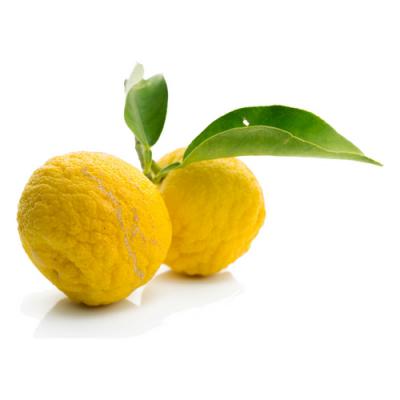
The specific Japanese aromatic vocabulary includes hinoki cypress (used in Japanese temple construction and bathing), yuzu citrus (the distinctive Japanese yellow citrus with unique aromatic complexity), various Japanese tea materials (matcha, hojicha, sencha), and traditional Japanese incense materials (aloeswood, kyara, jinkoh) that have direct counterparts in contemporary luxury perfumery. For wearers exploring the Japanese influence on contemporary perfumery, sampling compositions that explicitly reference these materials (Comme des Garcons Series 3 Incense Kyoto, various Diptyque Asian-inspired entries, several Japanese niche compositions) provides direct experiential connection to the broader Japanese aesthetic tradition.
The Brazilian and Latin American Perfumery Influence
The Brazilian and broader Latin American perfumery traditions have become substantially more commercially significant over the past decade, particularly through the Sol de Janeiro brand discussed extensively in adjacent articles in this series. The Brazilian aesthetic tradition emphasises warmth, comfort, social-sensual character, and specific aromatic materials including pistachio, salted caramel, coconut, cupuaçu, and various tropical floral elements that mainstream European perfumery has historically underutilised. The commercial success of Sol de Janeiro has demonstrated that the Brazilian aesthetic register has substantial appeal beyond its original cultural context, and various other Latin American houses and Brazilian-influenced compositions have emerged in response.
The broader Latin American perfumery tradition extends beyond Brazil into Mexican, Argentinian, and Colombian aromatic traditions that each contribute distinctive materials and aesthetic approaches. Mexican copal resin perfumery, Argentinian leather perfumery traditions, and Colombian floral perfumery all provide aesthetic territories that contemporary perfumery is beginning to explore more seriously. For wearers building wardrobes with cultural-aesthetic awareness, the Latin American tradition provides one of the more accessible entry points into perfumery traditions beyond the dominant European-Middle Eastern frameworks.
The Modern Niche Perfumery Synthesis of Cultural Traditions
Contemporary luxury-niche perfumery has increasingly synthesised multiple cultural perfumery traditions in single compositions, producing aesthetic registers that draw on French perfumery technical sophistication combined with Middle Eastern aromatic ambition combined with Japanese aesthetic restraint combined with various other regional influences. Houses like Maison Francis Kurkdjian explicitly emphasise this cross-cultural synthesis, with the founder's French perfumery training combined with broader cultural-aesthetic awareness producing compositions that are difficult to categorise within any single regional tradition.
This synthesis approach has both advantages and limits. The advantages include access to broader material vocabulary, more sophisticated compositional possibilities, and greater consumer accessibility for wearers who do not have specific cultural affinity for any single regional tradition. The limits include the risk of losing the specific cultural-aesthetic identity that gives regional traditions their distinctive character, with synthesised contemporary compositions sometimes reading as generic-luxury rather than as authentically rooted in any specific cultural tradition. For wearers building wardrobes with cultural-aesthetic awareness, balancing synthesised contemporary compositions with culturally-specific traditional alternatives often produces more interesting wardrobes than purely synthesised or purely traditional approaches.
The Economic Geography of Contemporary Perfumery
The economic geography of contemporary perfumery is more concentrated than cultural-tradition discussions typically suggest. The actual fragrance materials industry is dominated by a small number of major suppliers (Givaudan, Firmenich, IFF, Symrise, Robertet, Mane, Takasago) that operate globally and supply raw materials to perfumery houses worldwide regardless of cultural-aesthetic positioning. The actual perfumery composition work happens primarily in France (Grasse and Paris), Switzerland, the United States, and several other concentrated production centres rather than in the broader cultural regions whose aesthetics individual compositions reference.
This economic concentration matters because it affects how cultural-aesthetic claims should be evaluated. A composition marketed as "Japanese-inspired" was likely formulated by a French or American perfumer using materials sourced from the same global supply chain that supplies all luxury perfumery, regardless of the specific cultural references in the brand positioning. The cultural-aesthetic authenticity is at the conceptual-aesthetic level rather than at the production-geographical level. For consumers evaluating cultural-tradition claims, this distinction is worth understanding — the compositions can be genuinely authentic to their referenced traditions through careful aesthetic choices even when the production geography is concentrated in conventional perfumery centres.
The Cultural Appropriation Question in Contemporary Perfumery
The broader cultural appropriation conversation that has affected various consumer categories has reached perfumery in specific ways that wearers building culturally-aware wardrobes should consider. Compositions that explicitly reference specific cultural traditions (particularly indigenous, religious, or otherwise sensitive traditions) face the same cultural appropriation concerns that apply across the broader consumer market. Compositions that draw on broader aromatic vocabularies developed through historical cross-cultural trade typically face fewer concerns because the materials themselves have been part of cross-cultural perfumery for centuries.
The practical implication for consumers is to evaluate cultural-tradition claims with awareness of the broader appropriation conversation while recognising that perfumery has been a cross-cultural enterprise for millennia and that contemporary cross-cultural synthesis often reflects authentic engagement with the broader traditions rather than appropriation. The specific brands and compositions that have raised legitimate cultural appropriation concerns are typically those that lean heavily on indigenous cultural references without authentic engagement with the communities whose traditions are being referenced, while the broader contemporary perfumery market typically operates within the established cross-cultural perfumery tradition that has continuous lineage across multiple historical eras.
Building a Culturally-Aware Fragrance Wardrobe
For wearers who specifically want to build fragrance wardrobes with cultural-aesthetic awareness, several practical strategies deliver good outcomes. First, identify which specific cultural-aesthetic traditions resonate with your personal connections, interests, or aspirations, and prioritise sampling compositions that authentically reference those traditions. Second, sample broadly across traditions rather than committing exclusively to any single tradition — the contrast across traditions deepens appreciation for each individual tradition. Third, prioritise compositions that demonstrate authentic engagement with the broader traditions over compositions that merely use the traditions as marketing positioning.
For most wearers, building wardrobes around three or four different cultural-aesthetic traditions provides more interesting wardrobes than committing exclusively to any single tradition. A wardrobe that includes a French luxury-niche entry, a Middle Eastern attar-style composition, a Japanese-influenced minimalist entry, and a Latin American-influenced warm-gourmand provides diverse aesthetic coverage that single-tradition wardrobes cannot match. The Fragrenza catalogue and the broader accessible-price inspired-by market collectively provide options across multiple cultural-aesthetic traditions, which makes culturally-aware wardrobe construction economically practical for wearers willing to sample carefully across the broader market.
Final Notes on Cultural Influence and Contemporary Wear
The cultural influences on contemporary perfumery are genuinely substantial and continue to shape how the market develops across multiple aesthetic dimensions. For wearers building intentional fragrance wardrobes, awareness of these cultural traditions adds meaningful depth to wear-experience appreciation beyond what purely aesthetic evaluation provides. The combination of aesthetic evaluation with cultural-historical awareness produces richer wear experiences than either approach alone delivers, and the contemporary perfumery market increasingly rewards consumers who engage with both dimensions.
For wearers exploring the broader cultural-aesthetic landscape of contemporary perfumery, the various regional traditions discussed above provide useful entry points for sampling exploration. Each tradition offers distinctive aesthetic and material vocabulary that single-tradition wardrobes cannot access, and the cross-traditional sampling that reveals these distinctions is part of what makes serious fragrance enthusiasm a richer experience than simply choosing pleasant scents at the counter. The cultural influences on perfumery are continuous and ongoing — the contemporary market is the current expression of millennia of cross-cultural perfumery development, and wearers who engage with this broader continuity tend to build more satisfying long-term fragrance wardrobes than wearers who treat perfumery as purely contemporary aesthetic consumption divorced from its deep historical and cultural foundations.