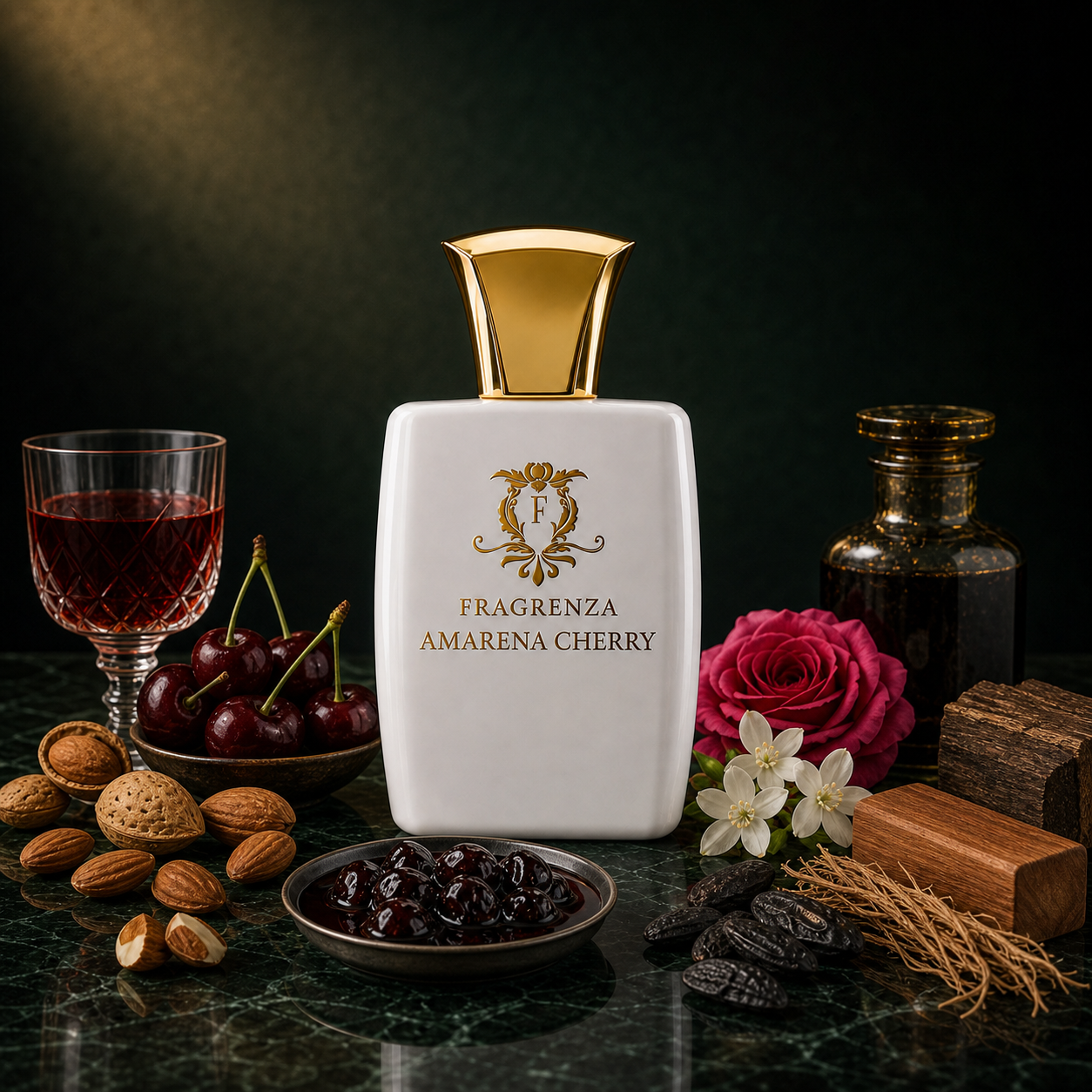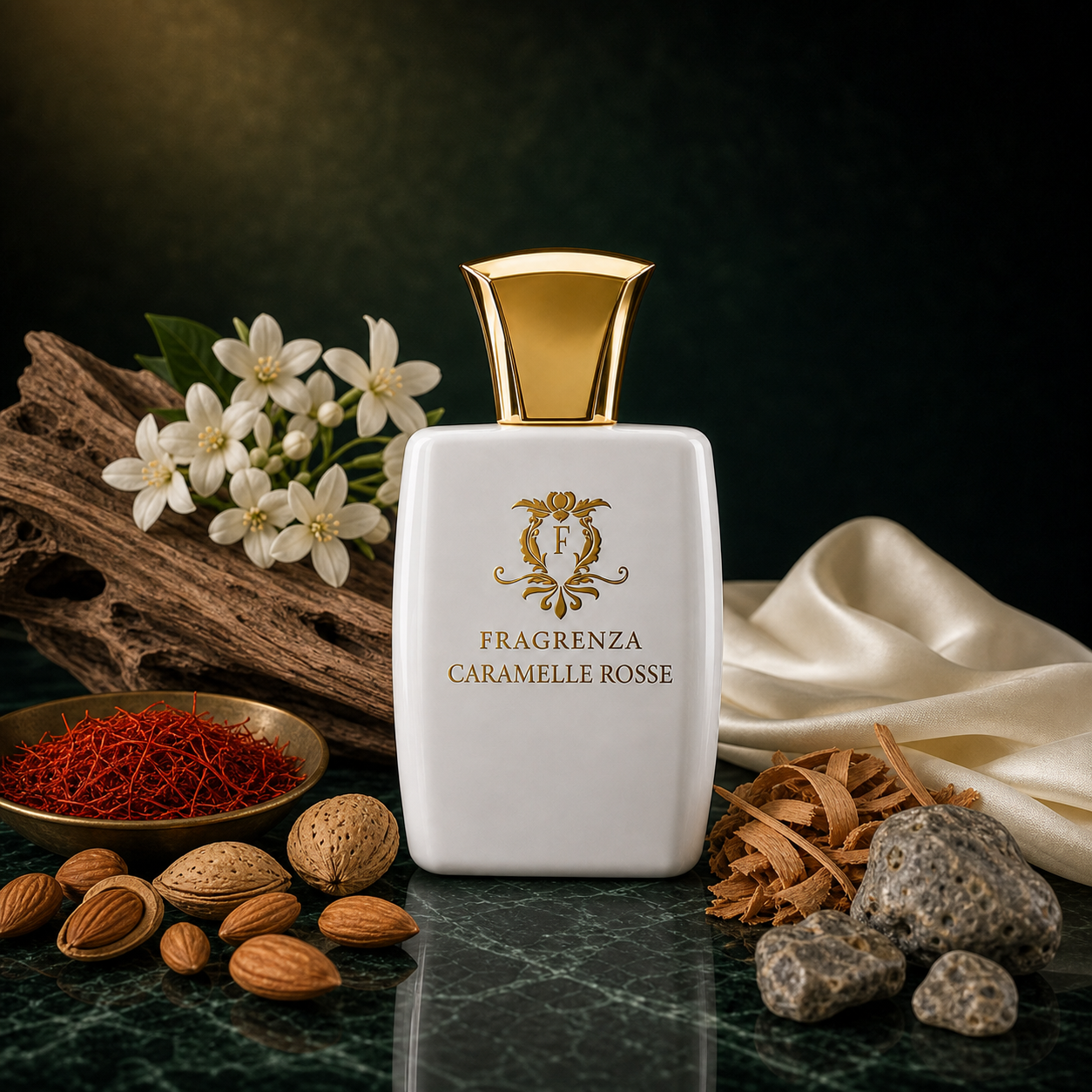


Fragrance Dupes Explained: How Affordable Alternatives Capture Luxury Scents in 2026
A fragrance dupe is an affordable composition built to deliver the emotional experience of an expensive original at a fraction of the price
By Julia MorettiFragrenza makes several of the alternatives featured in our guides — here’s how we test.
8 min read
What a Fragrance Dupe Actually Is
A fragrance dupe is an affordable composition built to deliver the emotional experience of an expensive original at a fraction of the price. The word has become a shorthand for an entire category of contemporary perfumery — inspired-by-but-not-identical-to releases that capture the architectural family of a luxury brand-name fragrance without using its protected trademark formulation. In 2026, dupes have moved from a niche enthusiast curiosity to a mainstream consumer category with a maturity and quality that simply did not exist a decade ago.
The fundamental proposition is straightforward. Luxury fragrance materials are expensive, but the cost of a luxury fragrance reflects far more than just the materials — brand premium, packaging, marketing spend, and retail margins typically account for a multiple of the cost-of-goods. A quality dupe captures the architectural family of the original (similar lead notes, comparable structural choices, parallel base materials) while operating outside the luxury price tier. The result is a fragrance that delivers most of the emotional experience at a much smaller share of the cost.
What separates serious dupes from cheap knockoffs is the commitment to architectural fidelity rather than note-for-note imitation. A good dupe reproduces the dry-down transition, the projection profile, and the longevity that make an iconic fragrance feel like itself; a bad dupe just smells vaguely similar in the first ten minutes and then collapses into a generic woody-musk base. The serious dupe market — anchored by Fragrenza and a handful of other quality-focused houses — operates by the same compositional principles as luxury perfumery, just with smarter purchasing decisions and lower marketing overheads.
How the Dupe Category Matured
The 2010s were the formative decade for the modern fragrance dupe category. Three forces drove the maturation. First, the rise of social-media fragrance discourse (FragranceTok, FragranceTwitter, niche-fragrance YouTube) created a sophisticated consumer base that could identify and discuss specific architectural choices — amber-noir, Cashmeran-warm, Iso E Super, vetiver-grounded — in a vocabulary that previously belonged only to industry insiders. Second, the supply chain for high-quality synthetic and natural perfumery materials globalised and democratised: the same materials Tom Ford or Maison Francis Kurkdjian use are available to smaller houses, just in smaller quantities. Third, the cultural permission to wear a dupe shifted from "slightly embarrassing economy" to "smart consumption choice."
By the early 2020s, the dupe category had bifurcated into two clear tiers. The lower tier remains what it has always been — generic body-spray-quality compositions sold at impulse-buy prices, useful for layering or for short-wear casual use but not serious replacements for luxury originals. The upper tier is where modern dupes have done the work: serious 60-80 ml eau de parfum compositions priced in the £30-£60 range, built around architectural fidelity rather than direct copying, designed for daily wear and rotation.
The Fragrenza approach belongs to this upper tier and to a specific subset of it: the architectural-family pattern. Rather than offer single one-to-one dupes for individual luxury brand fragrances, Fragrenza covers entire architectural families — the dewy-rose, the smoky-oud, the savory-gourmand, the iris-vanilla, the fresh-aromatic-masculine — with five clean handles each, allowing wearers to assemble a wardrobe from the same emotional registers as luxury collections at sustainable prices.
What Makes a Quality Dupe
Five criteria separate serious dupes from cheap knockoffs.
Material quality. Quality dupes use real perfumery materials — natural absolutes where the formula requires them, high-end synthetics where they make sense, properly balanced ratios across the full composition. Cheap dupes substitute thin synthetic alcohol-and-fragrance-oil mixes that smell vaguely like the target in the first five minutes but lack the depth and longevity of real perfumery composition.
Architectural fidelity. A quality dupe preserves the opening-heart-base sequence of the original. The transition moments matter more than any single note. If the original moves from citrus through floral to woody base in a specific arc, a quality dupe replicates that arc rather than just hitting the lead notes individually.
Longevity. The base notes of a quality dupe should match the original's wear profile. Luxury fragrances typically perform six to twelve hours on most skin types; a quality dupe should hit comparable longevity rather than fading within two hours.
Projection profile. Quality dupes match the original's projection arc — confident in the first hour or two, settling into skin-close warmth in the later hours. Cheap dupes either over-project synthetically or fade too quickly to read as serious compositions.
The 4-to-6-hour test. The single best test of any fragrance — dupe or luxury original — is the mid-wear moment when the opening has faded and the heart-and-base are doing all the work. Quality compositions navigate this transition cleanly. Cheap compositions reveal their thinness here.
The Fragrenza Architectural-Family Pattern
Across the past two years, the Fragrenza editorial line has refined a specific approach to dupe-and-alternatives articles. Rather than offering single one-to-one dupes, each brand-dupe article covers an architectural family with five clean Fragrenza handles. The result is a wardrobe-building pattern: instead of replacing one luxury fragrance with one dupe, wearers can rotate across an entire emotional register.
Four established quintet templates now anchor the line:
Fresh-masculine quintet (Genuine Touch, Felce Marina, Eternal Zeus, Rivelare, Immortal Zeus). Used for fresh-aromatic, aquatic, and clean-modern masculine brand-dupes — Cool Water, Invictus, Bleu de Chanel, L'Homme, Acqua di Gio, Luna Rossa, and adjacent registers.
Rose-led feminine quintet (Rose Choral, Sensual Flame, Red Jasmin, Melipona, Felce Marina). Used for rose-and-floral-feminine brand-dupes — Delina, Chanel Chance, Coco Mademoiselle, Irresistible, Miss Dior, Idôle, Chloé, Gucci Bloom, and adjacent registers.
Warm-vanilla feminine quintet (Vanilla Delight, Bontà, Oucaramel, Melipona, Saffron Tobacco). Used for vanilla-caramel-spiced gourmand-feminine brand-dupes — Burberry Brit, Prada Candy, Tobacco Vanille adjacents, and similar warm-gourmand registers.
Oud-masculine cluster (Joyful Oud, Oud Raso, Oud Velluto, Oudensity, Hawaii Wood + Wood Oud as the §6.2 cultural cover). Used for oud-led brand-dupes — Tom Ford Oud Wood, Le Labo Santal 33, Initio Oud for Greatness, Penhaligon's Halfeti, Amouage Interlude, and adjacent registers.
The cross-cluster anchor picks (Sensual Flame, Melipona, Vanilla Delight, Oucaramel, Ice Musk, Felce Marina) appear across multiple quintets, knitting the catalog into a coherent recommendation architecture.
How to Choose the Right Dupe for Your Wardrobe
The standard advice — "sample first, commit later" — applies fully. The Fragrenza sample programme allows wearers to test multiple compositions on actual skin before buying full bottles, which is the only way to determine whether a dupe genuinely delivers on its architectural promise.
Start with a clear target. If you already love a specific luxury fragrance, identify which facet of it speaks to you most. Is it the opening (the bright citrus-and-pink-pepper of Chance)? The heart (the dense jasmine-and-tuberose of Alien)? The base (the cashmeran-and-amber warmth of Black Opium)? The right Fragrenza alternative will preserve the facet you actually care about while potentially differing on the facets you do not.
Consider the wardrobe context. Most regular fragrance wearers rotate across three to five compositions through the week. A quality dupe should slot into the right wardrobe position — evening confidence, daytime polish, summer warm-weather, autumn warmth — rather than being expected to do everything. The architectural-family pattern is designed to give wearers options across positions: one fresh, one floral, one oud, one gourmand, etc.
Test the long-wear character. After eight hours of wear, what remains on skin? Quality compositions still have something to say at hour eight; cheap compositions are gone. The dry-down character is where most of the genuine wear experience happens.
Frequently Asked Questions
Are fragrance dupes legal?
Yes. Trademark law protects brand names and logos, not the underlying compositions or the lead notes. A fragrance dupe that uses similar architectural choices to a luxury original — saffron-amber, dewy-rose, cashmeran-warm — does not infringe on the original's trademark as long as it does not use the protected brand name or claim to be the original. Quality dupe houses operate fully within applicable law and label their compositions transparently.
Will a dupe last as long as the original?
Quality dupes hit comparable longevity to their luxury originals when both compositions use similar base structures. The base notes carry the long-wear character of any fragrance, and quality dupes use base materials (musks, amberwood, ambroxan, woody-resinous accords) that match luxury compositions closely. Cheap dupes that fade in two hours are using inferior base materials.
Will people notice that I am wearing a dupe?
In most contexts, no. Even fragrance enthusiasts struggle to identify specific compositions from a distance, and the architectural-family pattern means a quality dupe sits in the same emotional register as the original. Wearers tend to be praised for smelling good, not interrogated on the specific brand source.
How do I sample fragrances before buying?
The Fragrenza sample programme allows ordering small testers of multiple compositions, which lets you test on actual skin in actual wear contexts before committing to full bottles. This is the only reliable way to determine whether a dupe genuinely delivers on its architectural promise for your specific skin chemistry.
Are dupes worse than the originals?
Not necessarily. The quality difference is real but smaller than the price difference. Luxury fragrances typically use more expensive ingredients in some places (real oud absolute, high-grade saffron, premium ambroxan) which gives them a slight edge in certain technical respects. But the differences are subtle, and many quality dupes are objectively better than their luxury source in some respects (better longevity, more wearable projection, smarter material choices for daily wear).
What is the difference between a dupe and a clone?
The terms are often used interchangeably, but there is a useful distinction. A "clone" attempts to be an exact-copy reproduction of a luxury original, often using the same materials reverse-engineered from the source formula. A "dupe" or "alternative" preserves the architectural family of the original but does not attempt exact copying — it captures the emotional experience rather than the specific molecular composition. Quality dupe houses tend to use the second approach, which is both more legally defensible and often more wearable.
The Bottom Line
The fragrance dupe category in 2026 is genuinely mature. Quality dupes deliver most of the emotional experience of luxury originals at sustainable prices, using the same compositional principles and increasingly the same materials as the luxury houses. The Fragrenza architectural-family approach — covering entire emotional registers with five clean handles rather than offering single one-to-one dupes — lets wearers build wardrobes from the same vocabulary as luxury collections without the financial anxiety. Pick the architectural family you love, sample widely, and commit to the compositions that work on your skin.