

Hazelnut in Perfumery: The Toasted, Gourmand Note That Warms Every Fragrance
Hazelnut reads as a cream-warm, honey-edible gourmand: soft, slow, comforting, rewarding close intimate wear over distance.
By Julia Moretti 5 min read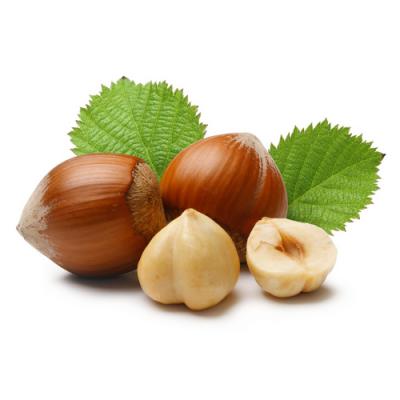
From the Orchard to the Perfumer's Bench
There is something deeply comforting about the scent of a freshly toasted hazelnut — a warm, nutty richness that sits somewhere between the forest floor and a Parisian pâtisserie. It is exactly this quality that has made hazelnut one of the more quietly essential ingredients in contemporary niche perfumery, even if it rarely gets top billing on a fragrance's promotional material.
The hazelnut — fruit of the Corylus avellana, also called the filbert or cobnut — has been part of human food culture for millennia. Archaeological traces of hazelnut consumption in Scotland have been dated to around 7,000 BCE. Today, Turkey dominates global production, supplying roughly 70% of the world's hazelnuts, with Italy and the United States following at a considerable distance. In the kitchen, hazelnuts are synonymous with luxury: think Nutella, Ferrero Rocher, and the silky praline fillings of high-end chocolatiers. In perfumery, they carry that same aura of indulgent sophistication.
What Does Hazelnut Smell Like?
Raw hazelnuts smell green and slightly milky — pleasant but understated. The magic happens when heat is applied. Roasted, the hazelnut develops a deep, complex toasted character: sweet, nutty, slightly fatty, with subtle woody undertones and a praline-like warmth that is impossible to resist. It is a smell that triggers memory — campfires, Christmas markets, the smell of a grandmother's kitchen.
In perfumery, both facets can be deployed. The green, unroasted facet contributes a natural freshness that blends well with florals and woods. The toasted facet is the backbone of gourmand and ambery compositions, pairing effortlessly with vanilla, caramel, cocoa, and warm amber. Importantly, hazelnut in fragrance always feels familiar — it has a psychological warmth that few other notes can replicate with such ease.
Extraction and Synthesis: How Perfumers Capture the Note
Unlike some botanical ingredients, the hazelnut is not directly distilled into an essential oil for fine fragrance use. Cold-pressed hazelnut oil — a light, fatty carrier with a delicate nutty aroma — is widely used in cosmetics and skincare, but its scent is too subtle and its volatility too low to function as a traditional perfumery ingredient.
Instead, perfumers reconstruct the hazelnut note in the laboratory, drawing on a palette of aromatic molecules that together evoke the full spectrum of its character. Key contributors include:
- Heliotropin (piperonal) — imparts a powdery, almond-adjacent sweetness that echoes the nuttiness of hazelnut
- Coumarin — contributes warmth, smoothness, and a tonka-like sweetness that reinforces the praline quality
- Methyl cyclopentenolone — a caramel-like molecule that adds the toasted, slightly burnt-sugar character of roasted hazelnut
- Various lactones — add creaminess and a milky roundness reminiscent of raw nut flesh
The skill lies in proportioning these elements so the result reads as hazelnut rather than a generic sweetness. Too much coumarin and you land in tobacco territory; too much lactone and the composition turns peachy. A balanced hazelnut accord requires a precise, experienced hand.
How Perfumers Use Hazelnut in Compositions
Hazelnut typically functions as a base or heart note, providing warmth, depth, and longevity rather than immediate impact. In ambery fragrances, it anchors the composition alongside vanilla, sandalwood, and musks, preventing the sweetness from becoming cloying by grounding it in a woody, natural earthiness.
In floral compositions, hazelnut works as a soft, creamy backdrop — a slightly unusual choice that gives familiar rose or jasmine-led fragrances an unexpected warmth and sophistication. The effect is subtle: rather than announcing itself, hazelnut makes everything around it smell more luscious.
In woody fragrances, the toasted quality of hazelnut bridges the gap between dry woods and sweet resins, adding a roasted dimension that elevates the composition into genuinely complex territory. It is the kind of note that fragrance lovers often sense but struggle to name — they simply know the perfume smells richer.
Famous Fragrances Featuring Hazelnut
The most celebrated example of hazelnut in modern perfumery is Angel Muse by Thierry Mugler (2016), a flanker to the iconic Angel that places hazelnut front and centre. Here, the toasted, praline-like warmth of hazelnut is paired with patchouli and vetiver, creating a fragrance that feels simultaneously gourmand and earthy — comforting but never saccharine.
Hazelnut also appears in subtler supporting roles in numerous woody and oriental compositions. Santal 33 by Le Labo owes some of its roasted warmth to the interplay between sandalwood and nutty facets. Numerous amber-led fragrances from houses like Tom Ford and Maison Margiela incorporate hazelnut-adjacent molecules to add that praline depth to their base notes, even when the official note list describes only wood and resin.
In niche perfumery, hazelnut has found a comfortable home in the growing olfactive gourmand genre — fragrances that smell edible without being overtly sweet. Here, it pairs brilliantly with dark chocolate, coffee, tonka, and smoked woods, building compositions that smell like dessert eaten by a fireside in winter. Our Gourmand de Chocolat captures exactly this mood — rich, toasted, and deeply comforting.
Pairing Notes: What Works Best with Hazelnut
Hazelnut is a generous collaborator. Its warmth and sweetness make it naturally compatible with a wide range of aromatic families:
- Vanilla and tonka bean — the classic gourmand axis; hazelnut adds a toasted complexity that prevents the pair from smelling like pure confectionery
- Patchouli — earthy, dark patchouli is the perfect counterweight to hazelnut's sweetness, grounding it in something more mysterious
- Sandalwood and cedar — woody notes absorb hazelnut's warmth and re-emit it with a dry, natural elegance
- Rose and jasmine — florals gain a surprising depth when hazelnut lurks in the base, making them smell more enveloping and skin-like
- Coffee and cocoa — the obvious pairing for full-throated gourmand compositions; hazelnut ties coffee and chocolate together the same way it does in a Nutella jar
- Vetiver and iris — a more sophisticated angle; the powdery, slightly earthy quality of both complements hazelnut's nutty warmth without veering into dessert territory
A Note Worth Knowing
Hazelnut will never be a headline ingredient in the way that rose, oud, or jasmine are. It is a supporting player — one of perfumery's great character actors — but it is precisely this quiet reliability that makes it so valuable. When a fragrance smells unusually warm, rounded, and inviting without you being able to identify quite why, there is a good chance hazelnut is somewhere in that base.
For fragrance enthusiasts exploring gourmand or warm ambery compositions, hazelnut is worth seeking out consciously. The next time you pick up something that smells like a caramelised, toasted warmth wrapped in soft wood — that might just be hazelnut doing exactly what it does best: making everything around it feel more alive, more sumptuous, and more irresistibly comforting.