

Paprika in Perfumery: The Smoky, Spiced Note That Adds Warmth and Intrigue
Capsicum annuum from Hungary brings sweet rounded warmth while pimentón de la Vera from Extremadura adds wood-smoke depth that crosses paprika into leather and incense territory.
By Julia Moretti 6 min read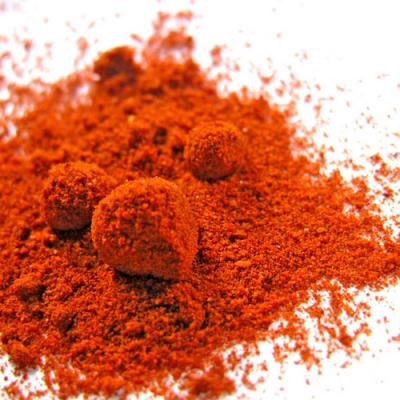
What Paprika Smells Like in Fragrance: Smoke, Spice, and Depth
Paprika is not among perfumery's most frequently discussed notes, but it is one of the more intriguing and atmospherically powerful spice ingredients available to the modern perfumer. Derived from dried and ground Capsicum annuum peppers, paprika carries an aromatic profile that differs meaningfully from other members of the capsicum family. Unlike the fiery, volatile quality of fresh chilli or the sharply pungent character of black pepper, paprika smells warm, slightly smoky, faintly sweet, and intensely earthy — more evocative of a sun-dried pepper hanging in a string than of a raw spice rack.
The smoky quality is particularly notable and varies in intensity according to the variety of paprika. Sweet paprika (Hungarian or Spanish pimentón dulce) carries a mild, rounded sweetness with just a hint of smoke; smoked paprika (pimentón de la Vera, from Spain's Extremadura region) is intensely smoky, dry, and almost meaty in character, with a wood-smoke dimension that connects it to the incense and leather families in perfumery. This range within a single ingredient gives perfumers considerable flexibility: paprika can contribute anything from a gentle spiced warmth to a dramatically smoky, almost bonfire-like depth.
The Origins and Cultural Context of Paprika as a Fragrance Note
Capsicum peppers are indigenous to the Americas and arrived in Europe following the sixteenth-century Spanish voyages. Hungary and Spain became the primary cultivation and processing centres for paprika in Europe, developing distinct traditions around the spice — Hungary's sweet, mild varieties and Spain's smoked pimentón each found their places in these countries' national cuisines. The aromatic richness of the dried and smoked peppers was naturally appealing to the perfumer's sensibility, though paprika's formal adoption into fragrance came considerably later than the spice trade's introduction of other New World aromatics.
Paprika's entry into perfumery is largely a phenomenon of the late twentieth and early twenty-first centuries, connected to two broader trends: the growing interest in food-inspired and gourmand compositions, and the emerging fashion for dark, smoky, and edgy masculines. In both contexts, paprika offered something genuinely different — a spiced warmth with a smoky complexity that neither the traditional spices (clove, cinnamon, cardamom) nor the classic smoke ingredients (birch tar, burning woods) could provide alone. Its slightly papery, dry quality also gave it a textural interest that perfumers found useful in compositions seeking to evoke specific sensory environments.
The Chemistry and Extraction of Paprika in Perfumery
Paprika's aromatic compounds are extracted through several methods depending on the intended use. Steam distillation of ground paprika yields an essential oil rich in sesquiterpenes and various pyrazine compounds — the latter being a class of molecules responsible for the roasted, slightly earthy character of many cooked foods. Solvent extraction can produce a more complete aromatic picture that includes some of the waxy, fatty compounds contributing to paprika's particular richness.
The key aromatic molecules include methoxypyrazines — compounds with an earthy, green-pepper quality — and various carotenoid breakdown products that develop during the drying and smoking process, contributing the characteristically warm, slightly sweet depth of paprika's base note. Capsaicin, the compound responsible for paprika's heat on the palate, is not itself aromatic in the olfactory sense, so the spicy "heat" in a paprika-inspired fragrance is created through other means, typically by combining the paprika extract with compounds like black pepper or ginger molecules that provide tactile warmth on the skin.
The smoked paprika character — when specifically desired — can also be approximated using guaiacol and related phenolic compounds, which are the same molecules responsible for the smoky character of whisky, smoked meats, and certain types of incense. The intersection of food chemistry and perfumery chemistry is particularly visible in paprika's composition, making it a note that rewards a chemically curious approach.
Famous Fragrances and the Paprika Accord
Paprika remains a relatively rare explicit note on fragrance pyramids, but its influence can be detected in a number of notable compositions. Viktor&Rolf Spicebomb captures the smoky, explosive energy of the spice category, and while the primary spice contributors are cinnamon, tobacco, and leather, the overall impression of warm, slightly smoky, dry spice owes something to the paprika-adjacent compounds that appear in its middle notes. The composition reads like a culinary-atmospheric portrait of a kitchen during a spice-heavy cooking session — paprika's spirit is present even if its name is absent.
Several niche houses have been more explicit in their use of paprika. Comme des Garçons' Odeur series has explored unusual aromatic territories that include dry, earthy, slightly food-adjacent notes, and the smoked paprika character appears in various guises in avant-garde compositions from houses like Etat Libre d'Orange and Nasomatto. Tom Ford Tobacco Vanille creates an extraordinarily warm, spiced, slightly dry composition in which various spice and tobacco compounds evoke the sensory richness of paprika without naming it explicitly.
In the broader context of oriental fragrances, paprika frequently appears as a dry, earthy counterpoint to sweeter spice notes. Its slightly smoky, savoury quality prevents oriental compositions from becoming cloying and adds a directness and authenticity that references the spice trade's vast, complex history.
How Paprika Interacts with Other Notes
Paprika's greatest gift to a fragrance composition is textural warmth — a dry, spiced heat that is fundamentally different from the sweetness of cinnamon or the sharp pungency of black pepper. It is a note that adds body and depth without adding sweetness, which makes it valuable in compositions where a sense of richness and weight is desired without the risk of tipping into gourmand territory. Against leather, paprika creates a powerful, slightly animalic spice-leather combination that is intensely atmospheric. Against tobacco, it amplifies the dry, earthy, slightly smoked quality of the tobacco note, creating compositions that feel genuinely complex and rooted in a particular sensory world.
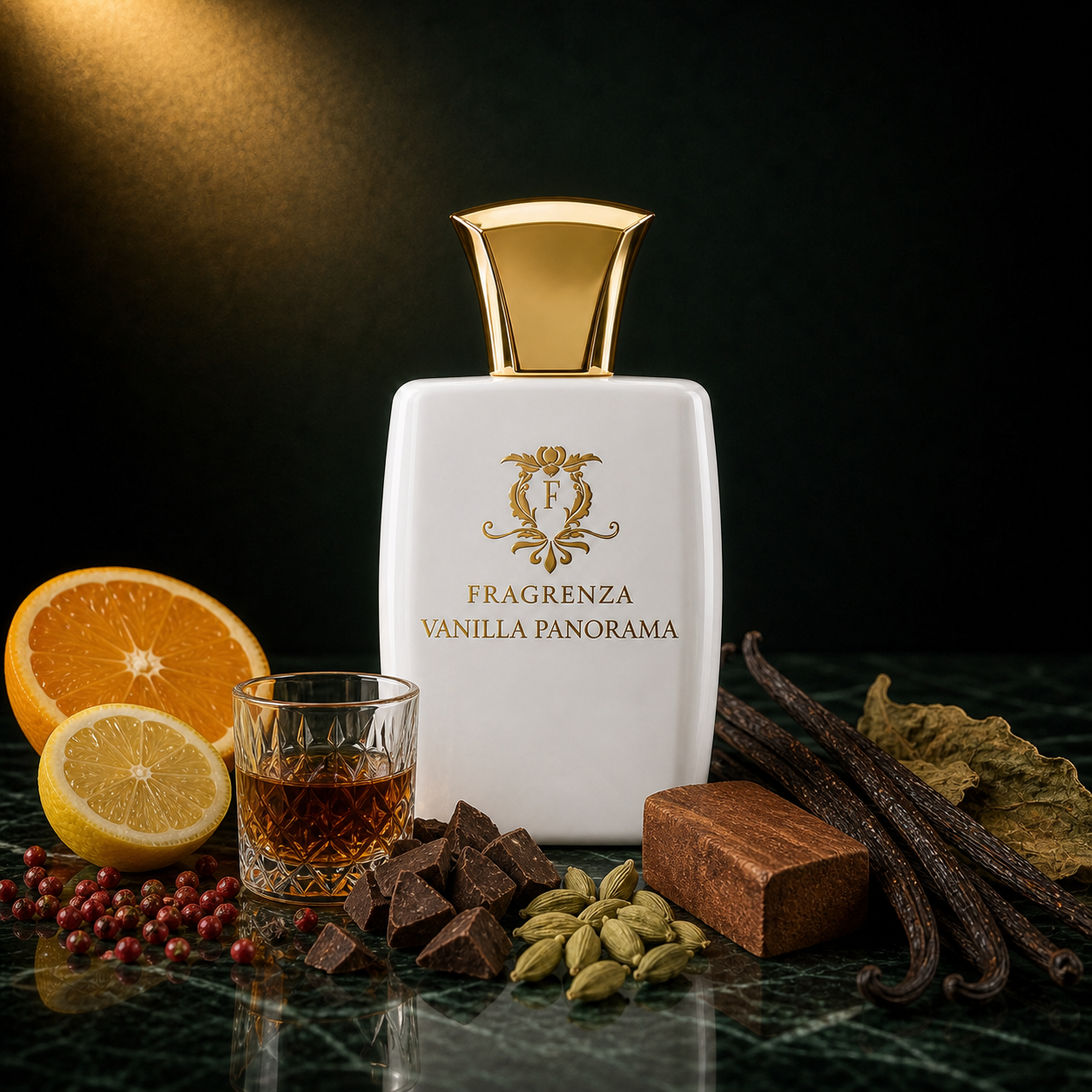
With woods — cedar, patchouli, vetiver — paprika adds a warm, spiced glow that transforms potentially austere woody compositions into something more immediately appealing and wearable. Saffron and paprika together create a deeply atmospheric accord redolent of Middle Eastern and North African cooking traditions, a richly evocative combination that works beautifully as the heart of an oriental fragrance. Against vanilla, paprika's dry, slightly savoury quality creates a wonderful contrast — the vanilla's sweetness framing and softening the spice's directness, producing something richer and more interesting than either ingredient could achieve alone.
Paprika is more challenging with fresh or aquatic notes, where the contrast can feel too abrupt. It belongs firmly in the warmer half of the olfactory spectrum, and compositions that deploy it most successfully tend to ground it in warm, resinous, or woody base accords that amplify its best qualities.
Paprika in the Fragrance Wardrobe
Fragrances that feature paprika prominently are firmly autumnal and winter-season compositions. Their warmth, smokiness, and spiced depth make them ideal companions for cooler weather, evening wear, and intimate social occasions where a powerful, memorable fragrance statement is appropriate. They are not casual daytime scents — paprika's intensity demands contexts that can accommodate it.
For the fragrance explorer seeking something genuinely unusual, a paprika-prominent composition offers one of perfumery's more distinctive and atmospheric experiences. It occupies a space that is neither traditionally floral nor conventionally woody — a spiced, smoky middle ground that feels simultaneously ancient (connected to the spice trade, to open-fire cooking, to the dried and smoked flavours of global culinary traditions) and completely contemporary. In the broadest sense, paprika in fragrance represents the possibility of olfactory storytelling at its most evocative — the smell of a specific place, a specific moment, a specific mood, captured and made wearable through the perfumer's art.