


Pepper in Perfumery: The Spice That Adds Fire, Depth, and Modern Edge to Fragrance
Piper nigrum supplies dry-camphoraceous heat, Schinus molle pink pepper from the cashew family brings rose-tinged spice, and grains of paradise add the bright bite perfumery favours.
By Julia Moretti 6 min read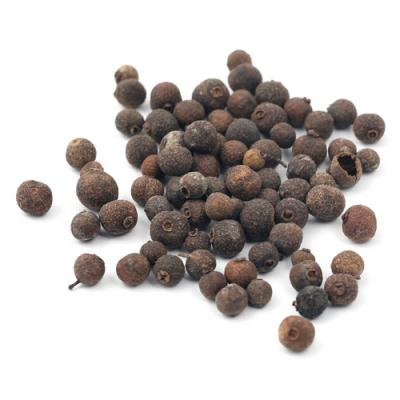
What Pepper Smells Like in Fragrance: Heat, Sharpness, and Something More
Pepper is one of perfumery's most dynamic and multifaceted spice notes — an ingredient that encompasses a remarkable range of aromatic expressions depending on which variety is used and how it is deployed in a composition. The broad category of "pepper" in fragrance includes black pepper, white pepper, pink pepper (which is botanically unrelated to true pepper), and Sichuan or grains of paradise, each contributing a distinctly different character. What unites them is a quality of sharp, slightly burning, aromatic energy — the olfactory equivalent of a bright, focusing light rather than a warm, enveloping glow.
Black pepper (Piper nigrum) in fragrance is dry, sharp, and slightly camphoraceous, with a woody undertone that grounds its spiciness and prevents it from reading as purely culinary. It smells genuinely of the spice — vivid and direct — but in the hands of a skilled perfumer, it transcends its kitchen associations to become a note of real sophistication. White pepper (made from the same fruit with the outer husk removed) is softer and slightly more fermented-musky, less aggressive but also less defined. Pink pepper (Schinus molle or S. terebinthifolius, a species of the cashew family rather than Piper) is the most perfumery-friendly variety: slightly fruity, rosy, with a softer peppery character that is at once spicy and almost floral. It is pink pepper that has become the most widely used pepper in mainstream contemporary fragrance, its versatility and accessibility making it a top note of choice in hundreds of modern compositions.
Pepper's History in Perfumery and Cuisine
Pepper's history intersects profoundly with the history of the spice trade — it was, for centuries, the world's most valuable traded commodity by weight, the material that literally drove European expansion and the establishment of global trade routes. Before refrigeration, pepper was critical for food preservation as well as flavour, and its rarity and cost in medieval Europe gave it an almost symbolic power. This history of precious rarity embedded pepper deeply in the luxury economy from which fine perfumery emerged.
In perfumery itself, pepper has been an ingredient since at least the seventeenth century, when it appeared in spiced orientals alongside clove, cinnamon, and other exotic imports from the East Indies. The classical oriental tradition of the late nineteenth and early twentieth centuries used black pepper as a mid-note sharpener and energiser within dense, resinous base compositions. However, pepper's role as a primary note, foregrounded and celebrated in its own right, is largely a development of the late twentieth century, as perfumers began embracing spice notes with greater confidence and ambition.
The 1990s and 2000s saw black pepper emerge as a definitive signature of sophisticated masculine perfumery. Its dry, clean sharpness aligned perfectly with the decade's preference for fragrances that were fresh and assertive rather than heavy and sweet. Pink pepper then took over as the dominant pepper variety in the 2000s, its softer, fruitier character making it equally appealing in feminine and unisex compositions alongside the established masculine tradition.
Key Aromatic Molecules and Extraction
The extraction of pepper essential oil is accomplished through steam distillation of dried peppercorns, yielding an oil rich in monoterpenes and sesquiterpenes. The primary aromatic compound in black pepper oil is beta-caryophyllene, a sesquiterpene with a woody, spicy, and slightly clove-like character that contributes the drier, deeper facets of the note. Sabinene and alpha-pinene are responsible for the fresher, more camphoraceous aspects. Piperine, the alkaloid responsible for pepper's burn on the palate, is not itself aromatic in the fragrance sense — the characteristic prickling sensation in a pepper-forward fragrance is an olfactory illusion created by the combination of aromatic molecules rather than a genuinely chemical reaction on the skin.
Pink pepper oil, when distilled from the berries of Schinus molle, is notably different in composition from true pepper oil. It contains significant quantities of alpha-phellandrene and para-cymene, molecules with fresh, citrus-like, and slightly medicinal qualities, alongside the more conventionally spicy compounds. The combination produces pink pepper's characteristic dual personality — simultaneously spicy and fresh, with a rosy-fruity facet that connects it to the floral family. This cross-category character is the primary reason pink pepper has become so dominant in contemporary perfumery: it brings spice to fresh compositions and freshness to spiced ones, an extraordinarily useful quality.
Some perfumers also use steam-distilled Sichuan pepper (Zanthoxylum bungeanum) for its unique tingly, citrusy, electric quality, and grains of paradise (Aframomum melegueta) for their complex warm-spicy, cardamom-ginger-pepper character. These alternatives expand the pepper family in perfumery considerably beyond the conventional black-white-pink spectrum.
Famous Pepper Fragrances
Dior Sauvage is perhaps the definitive pepper fragrance of the contemporary era. Its opening accord of bergamot and black pepper, followed by the enormous projection of Ambroxan, created one of the most commercially successful fragrances in history and established the pepper-citrus-woody formula as the defining masculine architecture of the 2010s. The pepper in Sauvage is precise and forceful — dry and sharp, immediately projecting without feeling crude or culinary.
Viktor&Rolf Spicebomb celebrates pepper alongside cinnamon, saffron, and tobacco in an explosively spiced masculine that makes no apologies for its intensity. Parfums de Marly Layton uses a masterful mint-apple-vanilla accord in which pepper appears as a subtle but important structural spice, its sharpness keeping the composition from tipping into sweetness. Chanel Chance uses pink pepper in its opening to give the floral-citrus accord a vibrancy and contemporary edge that distinguishes it from more conventional floral openings.
In the niche fragrance world, pepper has been treated with great sophistication. Comme des Garçons' Pepper celebrates the ingredient in austere, reductive terms. Cartier's Déclaration, long regarded as a benchmark masculine, uses black pepper and cedar in an almost minimal composition that demonstrates the extraordinary power of quality ingredients treated with restraint.
How Pepper Interacts with Other Notes
Pepper is one of perfumery's great energising ingredients — it sharpens, brightens, and focuses whatever it touches. Against bergamot, black pepper creates a dynamic, masculine accord of clean energy and presence. Against rose, pink pepper adds sparkle and contemporary edge to what might otherwise be a conventional floral, the spicy-fruity quality amplifying the rose's own facets while preventing the composition from reading as old-fashioned. With cedar, black pepper creates a dry, clean, architectural accord that is one of the most successful modern masculine structures.
Pepper and ginger together form a classic spice doubling — the pepper providing dry heat, the ginger adding fizzing, slightly citrusy warmth, the two creating a combined energy greater than either alone. Against vanilla, pepper creates a sophisticated sweet-spice tension that is the backbone of many successful oriental fragrances. Against musk, pepper adds definition and edge to what might otherwise be an amorphous skin scent, the sharpness of the spice cutting through the musk's diffuse softness.
Pepper in the Fragrance Wardrobe
Pepper is a year-round ingredient, appearing appropriately in the freshest summer fragrances (pink pepper in a citrus-floral) and the deepest winter compositions (black pepper in an oriental amber). Its particular versatility is one of the reasons it has become so dominant in contemporary perfumery: unlike heavily seasonal notes (patchouli, vetiver, watermelon), pepper feels equally appropriate on a hot day or a cold one, in a professional environment or at a cocktail party, on a man or a woman.
For the fragrance wardrobe builder, pepper fragrances span the full range from the most casual daily-wear to the most sophisticated evening compositions. A well-chosen pepper fragrance signals an awareness of contemporary fragrance trends without slavish adherence to them; it is a note that feels current without being ephemeral, modern without being dismissive of history. Whether you are drawn to the clean, assertive sharpness of black pepper in a fresh masculine or the rosy, versatile warmth of pink pepper in a unisex floral, the pepper family offers some of fragrance's most consistently rewarding and reliably wearable pleasures.