

The Best Winter Fragrances: Rich, Warm, and Built for Cold Weather
When temperatures drop, top notes barely register, so the load-bearing structure shifts to oud, amber, resins and the heavier woods.
By Julia MorettiFragrenza makes several of the alternatives featured in our guides — here’s how we test.
5 min read
Why Cold Weather Changes What You Should Wear
There is a physiological reason why winter fragrances feel so different from their summer counterparts, and it goes beyond mere preference. Cold air suppresses the volatility of fragrance molecules — the process by which a perfume diffuses from skin into the air around you slows considerably as temperatures drop. This means that a fragrance worn in January will project less aggressively than the same composition worn in July, and the delicate top notes that announce a fragrance's opening may barely register at all.
The practical consequence is that winter calls for fragrances with considerably more presence. Rich base notes — the ambers, the resins, the ouds, the musks, the heavy woods — become the load-bearing structure of a cold-weather composition, providing the warmth and projection that lighter materials cannot sustain in low temperatures. This is not merely a matter of preference; it is an understanding of how fragrance physics interacts with seasonal conditions.
The Anatomy of a Winter Fragrance
The finest cold-weather fragrances share a particular architecture: a statement opening that cuts through cold air with enough force to register, a complex heart that develops as the fragrance settles on warmed skin, and a deep, tenacious base that remains present for hours, projecting quietly and persistently long after the initial impression has passed.
The ingredients associated with winter perfumery are among the most interesting in all of fragrance. Oud — perhaps the most prized material in the contemporary perfumer's palette — carries a complexity that ranges from smoky and animalic to sweet and woody depending on its origin and treatment. Amber provides warmth without heaviness, a golden, slightly resinous quality that reads as luxurious on cold skin. The oriental fragrance collection at Fragrenza gathers the finest warm, spiced, resinous compositions in the range — precisely the territory that winter rewards.
Oud: The King of Winter Notes
No ingredient is more associated with the cold-weather fragrance experience than oud. This dark, resinous material — extracted from agarwood, the infected heartwood of Aquilaria trees found across Southeast Asia and the Middle East — has been prized by perfumers for centuries, though its mainstream Western popularity is relatively recent. The finest oud smells simultaneously ancient and urgent: woody, slightly smoky, with a depth that reveals new facets over hours of wearing.
Understanding the range and complexity of oud as a fragrance note is essential context for anyone approaching winter perfumery seriously. There is no single oud smell: the material varies enormously depending on the species of tree, the geographic origin, the method of extraction, and the age of the material. The best oud fragrances use this complexity deliberately, pairing the resinous core with complementary notes — rose, saffron, leather, sandalwood — that frame and amplify its character.
Joyful Oud represents Fragrenza's interpretation of the modern oud fragrance: rich and deeply woody at its heart, with a brightness in the opening that prevents it from feeling heavy, and a warmth in the base that makes it ideally suited to cold-weather wearing. This is the kind of fragrance that genuinely improves as the temperature drops — the cold air slowing the diffusion enough that the complexity has time to reveal itself properly.
Amber and the Art of Warmth
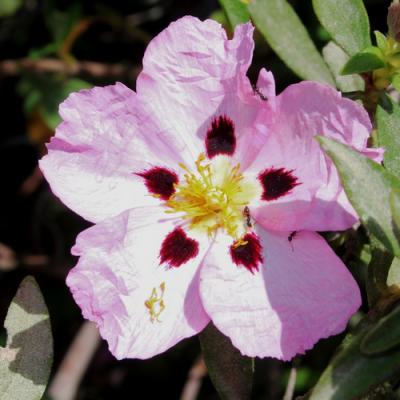
Amber is not a single ingredient but a family of accords — warm, slightly sweet, resinous constructions that provide the baseline warmth of cold-weather perfumery. The classical amber accord combines labdanum (a resinous material from the rockrose plant), benzoin, and vanilla in proportions that create something that smells almost like solidified warmth: golden, sweet but not sugary, with a depth that lingers on skin for extraordinary lengths of time.
The way that amber functions in perfumery explains why it is so central to winter fragrance: it provides the fixative quality that makes a composition last, the warmth that cold skin needs in order to project properly, and the sweetness that makes a heavy fragrance feel approachable rather than oppressive. A winter fragrance without an amber element tends to feel incomplete — present on initial application, then rapidly diminishing to something that barely registers on cold skin.
The Woody Category: Depth Without Darkness
For those who find the intensity of oud or the heaviness of full amber compositions slightly too demanding, the woody fragrance collection offers a middle path. Wood-based winter fragrances — built around sandalwood, cedarwood, vetiver, or the contemporary synthetic woods that have transformed modern perfumery — deliver the projection and longevity that cold weather demands without the intensity of the heavier oriental category.
A well-constructed woody fragrance for winter will have a dryness and depth that feels appropriate to the season without being challenging. The clean, almost austere quality of cedar or vetiver-based compositions works particularly well in layering contexts — worn over a lighter base scent, a woody fragrance provides structure and presence while allowing the character of what lies beneath to come through.
Spice and the Cold-Weather Opening
The role of spice in winter perfumery is often misunderstood. Cardamom, black pepper, cinnamon, clove, saffron — these are not the dominant notes of a cold-weather fragrance so much as they are the tools that make a composition feel alive in cold air. Where a citrus note provides brightness in summer, a spiced note provides the same initial impact in winter: something sharp, immediate, and distinctive that announces the fragrance before the warmer base notes take over.
The best winter fragrances use spice with restraint and precision. Cardamom in particular has become one of the most sophisticated tools in the contemporary perfumer's kit: aromatic, slightly sweet, with a warmth that reads as intimate rather than aggressive. Paired with leather, wood, or oud, it produces the kind of cold-weather composition that generates genuine compliments — memorable without being shouty, distinctive without being inaccessible.
How to Apply Winter Fragrance for Maximum Effect
Cold-weather fragrance application benefits from a slightly more generous hand than warm-weather wearing. The physics of fragrance diffusion in cold air mean that a composition that would project beautifully with two sprays in August may barely announce itself with the same application in January. This is not a reason to drench yourself — that is never the answer — but it is reason to apply one or two additional sprays and to focus on areas where body heat is most concentrated: the neck, the chest, the inner wrists, and — for those who want serious projection — the collar area of clothing.
Layering fragrance with complementary body products is also more effective in winter than summer: a richly moisturised skin base slows the evaporation of the fragrance and extends its projection, while a scented body wash or lotion in a complementary register can add depth to the overall impression without clashing with the main composition.
The Winter Fragrance Wardrobe
A thoughtfully assembled cold-weather fragrance wardrobe might include a woody or lightly oriental composition for daytime and professional wear; a richer, more declarative oud or full oriental for evenings and occasions; and something with significant amber content for weekends — the kind of fragrance that is too rich for the office but perfect for long meals and low light. This is winter perfumery done properly: not a single scent but a considered vocabulary, deployed with intelligence and intention.