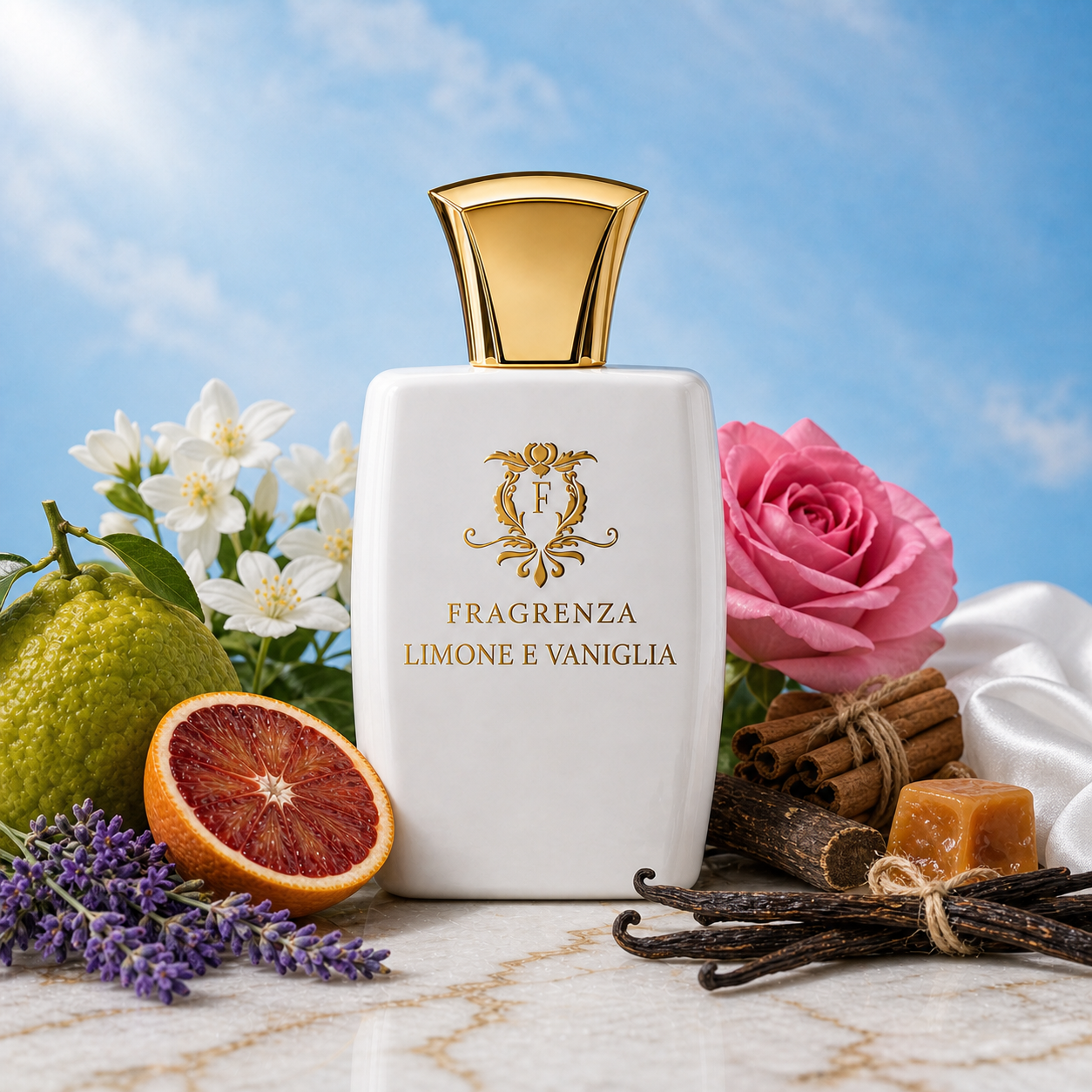
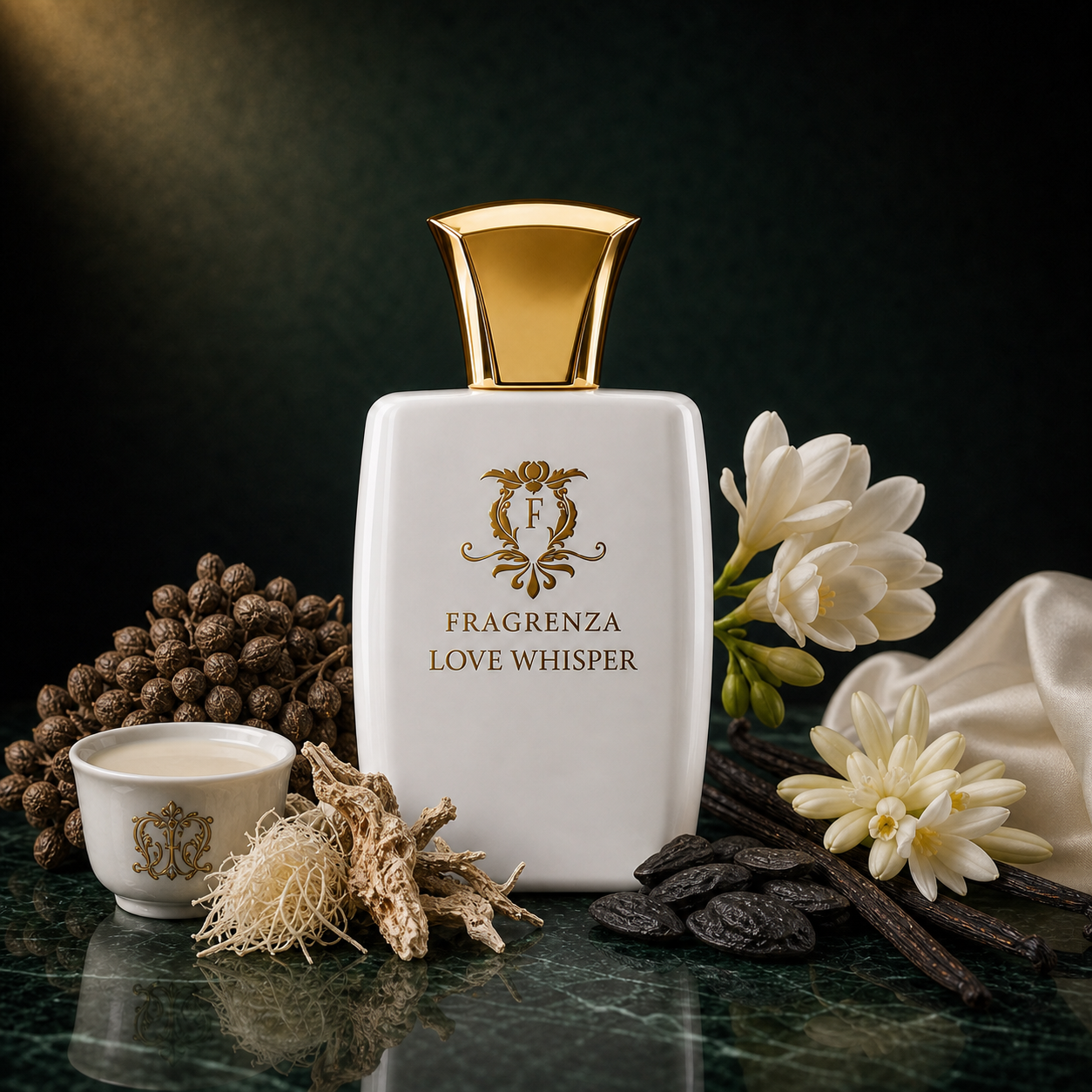
Why Vanilla Fragrances Will Never Go Out of Style — and the 2026 Twists Worth Trying
Vanillin triggers caloric-reward associations encoded long before conscious preference, which is the evolutionary reason vanilla reads as comfort across almost every culture.
By Julia MorettiFragrenza makes several of the alternatives featured in our guides — here’s how we test.
4 min read
Ask a hundred people to smell vanilla, and the responses will be near-universally positive. This is not an accident, and it is not simply a matter of taste. Vanilla occupies a unique position in the human sensory landscape — one rooted in biology, in memory, in the earliest associations we form between pleasure and the world around us. In perfumery, vanilla has been an essential ingredient for well over a century. In 2026, it is being treated with a creative ambition that makes even its most beloved classic expressions feel like the beginning of the story rather than the end.
Why We Love Vanilla: The Psychophysiology of Sweet Scent
The near-universal appeal of vanilla has a straightforward evolutionary explanation. Sweet scent signals caloric richness and nutritional reward — a deeply encoded association that predates conscious preference by millions of years. Vanilla's specific aromatic profile, dominated by the compound vanillin alongside dozens of supporting molecules that give natural vanilla its complexity, triggers associations with warmth, nourishment, safety, and pleasure. The scent of vanilla is, for most people, inseparable from memories of comfort: kitchens, baked goods, warmth, the presence of people we love.
On skin, vanilla interacts with body heat in a way that makes it feel almost edible — closer than any other fragrance ingredient to the sensation of warm, cared-for skin. This quality, which perfumers call 'skin chemistry integration,' is what makes vanilla the pre-eminent ingredient in the oriental and gourmand fragrance families. It does not merely smell pleasant; it smells like you, at your most comfortable and most attractive. Few aromatic materials can make that claim.
Vanilla's History in Perfumery
The story of vanilla in fine fragrance begins with Guerlain's Shalimar, launched in 1925 and still one of the most recognisable — and best — perfumes ever made. Shalimar's genius lay in placing an enormous quantity of vanilla against an equally forceful citrus and iris structure, creating a tension between sweetness and sophistication that had never been attempted before. It established the template for the oriental fragrance family and demonstrated that vanilla, handled with architectural intelligence, could achieve something far beyond simple sweetness.
Decades later, Thierry Mugler's Angel — launched in 1992 and almost universally condemned on its release by an industry that considered gourmand fragrance too strange and too sweet to be serious — changed the conversation entirely. Angel's combination of praline, patchouli, and vanilla created a new fragrance category and, eventually, some of the best-selling fragrances of the subsequent three decades. The lesson of Angel was that vanilla's sweetness, rather than being a liability to be managed, could be the point — could be deployed boldly and unapologetically, in combination with unexpected contrasting elements, to create something genuinely new.
The 2026 Vanilla Landscape
If Shalimar represents classical vanilla and Angel represents maximalist gourmand, then 2026's most interesting vanilla fragrances occupy a more diverse and nuanced territory than either. The year's most compelling developments in this space can be organised around a few key creative directions, each reflecting a different answer to the question of what vanilla can be when it is pushed beyond its familiar parameters.
Smoked vanilla — vanilla paired with woods, incense, and char — has become one of the year's most discussed aromatic territories. Where conventional vanilla fragrance moves toward comfort and sweetness, smoked vanilla introduces a tension, a slight danger, an adult complexity that transforms the ingredient entirely. The best examples feel less like dessert and more like something you would find in a serious perfumer's cabinet: austere, complex, and deeply beautiful.
Salted vanilla operates on a similarly transformative logic. Salt, whether derived from marine accords or metallic musks, cuts through vanilla's sweetness and introduces a mineral counterpoint that makes the composition feel both more sophisticated and, paradoxically, more skin-present. The effect is of vanilla as it exists in the real world — not the pure, idealised sweetness of extract, but something richer, more complex, and more intimately connected to the body that wears it.
Green and transparent vanilla treatments represent a third direction: the attempt to capture vanilla's characteristic warmth while reducing its sweetness, creating something that functions more as a structural element than a featured note. These are fragrances in which vanilla is felt rather than smelled — a presence that warms and deepens without declaring itself. They are, perhaps, the most technically demanding of the year's vanilla releases, and the most rewarding for those who think they don't like vanilla.
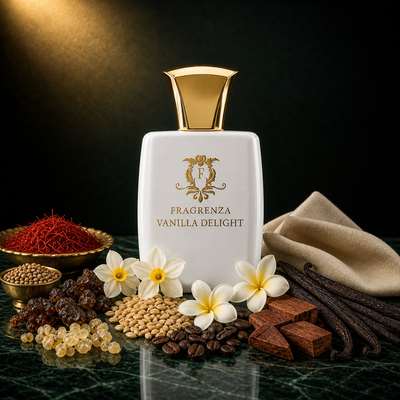
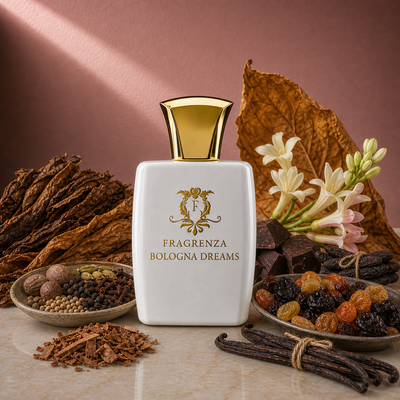
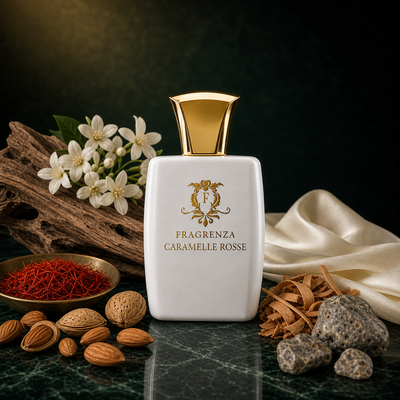
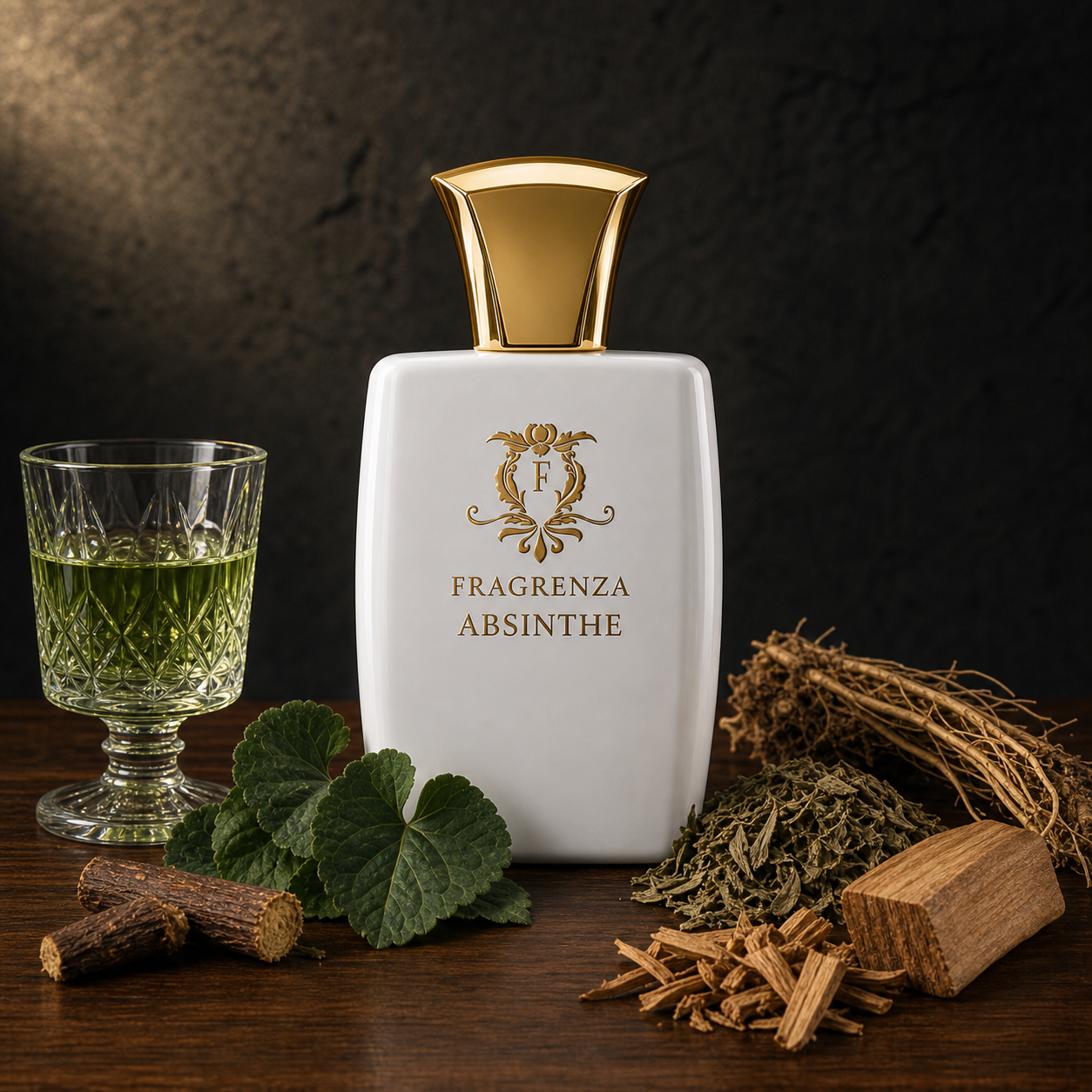
At Fragrenza, vanilla fragrance represents one of our most consistently popular and most carefully curated categories — because the range within it, from the straightforwardly comforting to the genuinely avant-garde, is broader than most people appreciate. In 2026, that range has expanded further still, and the most exciting vanilla fragrances being made today bear little resemblance to the category's clichés. That is, as it has always been with the greatest perfumery, entirely the point.
Discover at Fragrenza
Fragrenza's vanilla edit spans the full expressive range of the category — from pure, skin-close warmth to bold, complex interpretations that reward repeated wearing.