


-
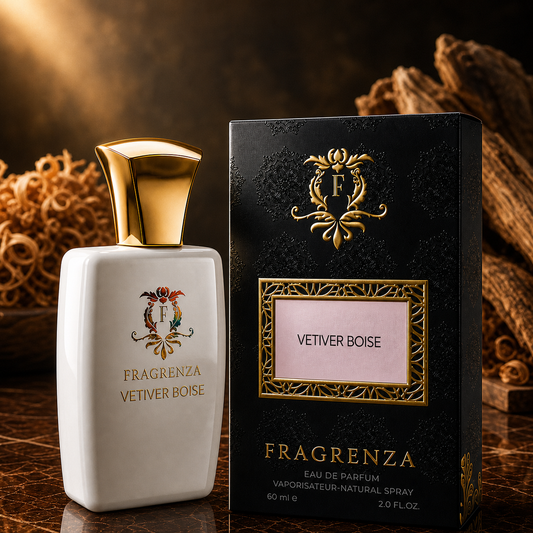
Vétiver Boisé Vétiver BoiséVendor:Inspired by Tom Ford Grey VetiverRegular price From $9.99Regular price
$140.00Sale price From $9.99Sale

About Amberwood Fragrances
Ambrarome is a synthetic fragrance material designed to evoke the legendary warmth and marine character of natural ambergris — one of perfumery's rarest and most storied ingredients. Created through advanced aroma chemistry, Ambrarome occupies a unique olfactory space: it shares the warm, slightly salty, and animalic-marine quality of ambergris while offering the consistency and accessibility of a synthetic material. It belongs to the family of ambergris-inspired synthetics that have transformed how perfumers work with this classic accord.
Olfactorily, Ambrarome is warm and balsamic with a subtle marine-salty edge that recalls the organic warmth of ambergris without the sharp animalic intensity of some other ambergris replacements. It has a soft, enveloping quality — like sun-warmed skin at the edge of the sea, combining the dryness of skin-warmed amber with a clean, slightly oceanic depth. This balance between warmth and marine freshness makes it particularly distinctive and versatile, adding a quiet, radiant depth to any composition it inhabits.
In perfumery, Ambrarome is used as a base note to impart ambergris warmth and marine depth to orientals, woody fragrances, and aquatics. Its compatibility across families makes it a useful bridge material. Paired with musks, woods, and warm spices, it creates the kind of languid, sun-soaked warmth that defines some of perfumery's most celebrated compositions. At Fragrenza, we use sophisticated materials like Ambrarome to craft fragrance dupes that capture the elusive ambergris warmth of luxury originals at accessible prices.
Other Collections
Grapefruit Fragrances

From this collection: Elisi — Elysium by Roja Parfums alternative
Explore our collection of grapefruit fragrances. Shop grapefruit perfumes and discover captivating scents.
Iris Fragrances

From this collection: Cherryum
Explore our collection of iris fragrances. Shop iris perfumes and discover captivating scents.
Men Fragrances

From this collection: Immortal Zeus — Aventus by Creed alternative
Explore our collection of men fragrances. Shop men perfumes and discover captivating scents.
Nutmeg Fragrances

From this collection: Adeline — Delina Exclusif by Parfums de Marly alternative
Explore our collection of nutmeg fragrances. Shop nutmeg perfumes and discover captivating scents.
Oakmoss Fragrances

From this collection: Normandy Brandy — Apple Brandy On The Rocks by Kilian alternative
Explore our collection of oakmoss fragrances. Shop oakmoss perfumes and discover captivating scents.
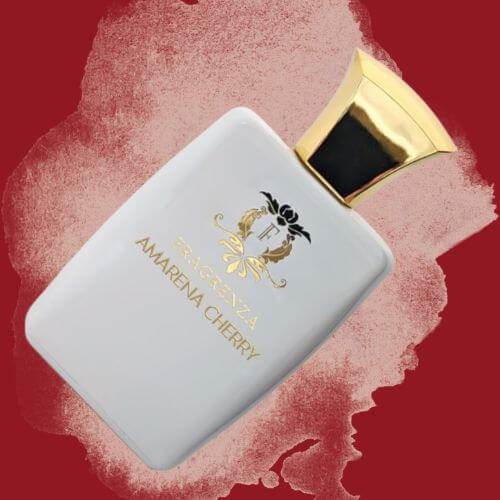
Amarena Cherry
Obsessed with cherry? If you want to really amp up the cherry scent, this Tom Ford Lost Cherry dupe will give Lost Cherry a run for its money. Black cherry, cherry syrup, and cherry liqueur all mingle together for an indulgent cherry overdose that’s complemented by notes of almond, tonka bean, Turkish rose, and jasmine sambac.
Resins And Balsams
-
Our best sellers.
-
Adeline PDM Delina dupe Better Peach Tom Ford Bitter Peach dupe Chloris Gardenia Gucci Flora Gorgeous Gardenia dupe Fearless Love Kilian's Love, Don't Be Shy dupe Selvaggio Dior's Sauvage dupe Addict Noir YSL's Black Opium dupe Empress D&G's L'Imperatrice dupe Divino Bleu de Chanel dupe Lo amo J’Adore Dior dupe Pretty Girl Carolina Herrera's Good Girl dupe
-
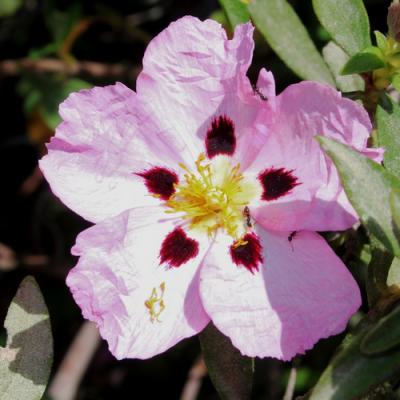
What Does Labdanum Smell Like?
Discover labdanum in perfumery — its warm, animalic, balsamic scent, history from ancient Mediterranean ritual to modern ambers, and its role in iconic fragrances.
-

What Does Patchouli Smell Like?
Patchouli smells like rich, dark earth — wet woods, chocolate, and aged leather. What it really smells like, why it’s linked to weed, and how to wear it.
-
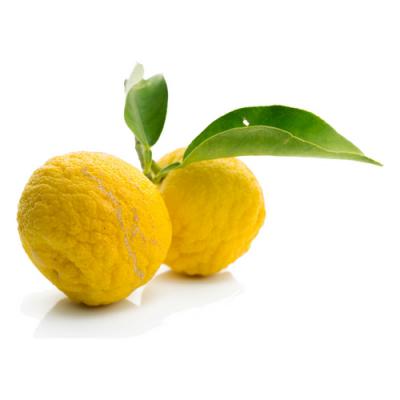
What Does Yuzu Smell Like?
What does yuzu smell like in perfumery? Explore this Japanese citrus note — its tart, floral-citrus scent, key aroma compounds, and how it elevates contemporary fragrance design.
-
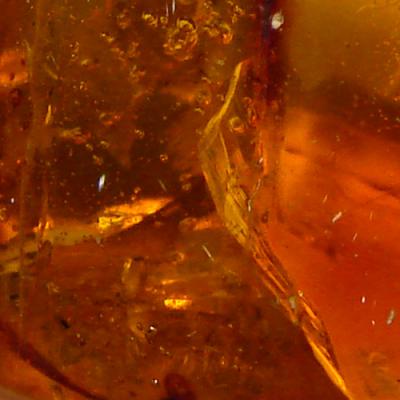
What Does Amber Smell Like?
Discover what amber truly smells like in perfumery — from rare ambergris washed ashore to modern synthetics — and why it makes every fragrance warmer.

