

-
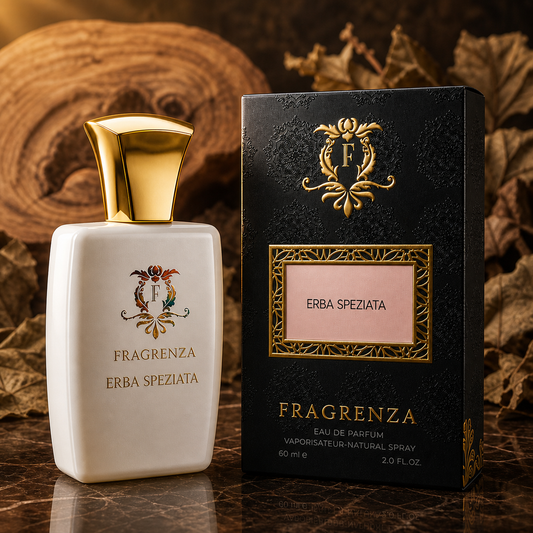
Erba Speziata Erba SpeziataVendor:Inspired by Parfums de Marly LaytonRegular price From $9.99Regular price
$335.00Sale price From $9.99Sale -

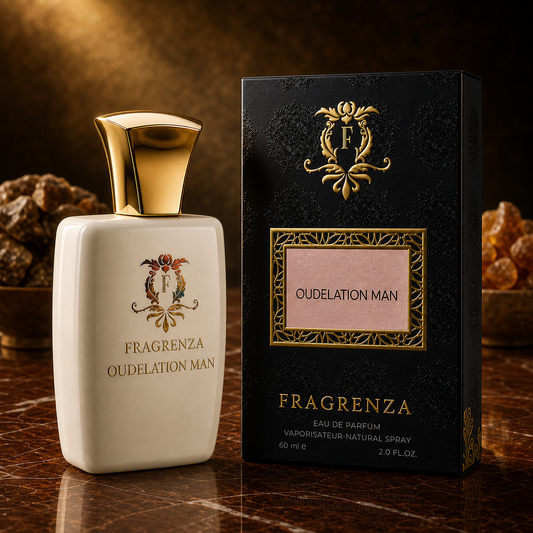 Sold outOudelation Man Oudelation ManVendor:Inspired by Amouage Jubilation XXVRegular price From $9.99Regular price
$360.00Sale price From $9.99Sold out -
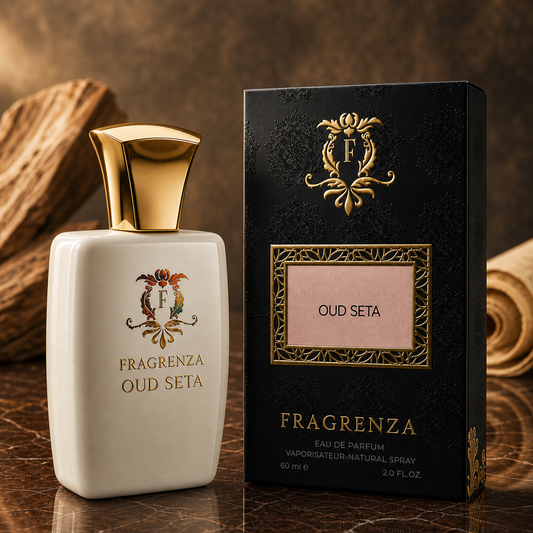
Oud Seta Oud SetaVendor:Inspired by MFK Oud Silk MoodRegular price From $9.99Regular price
$300.00Sale price From $9.99Sale -
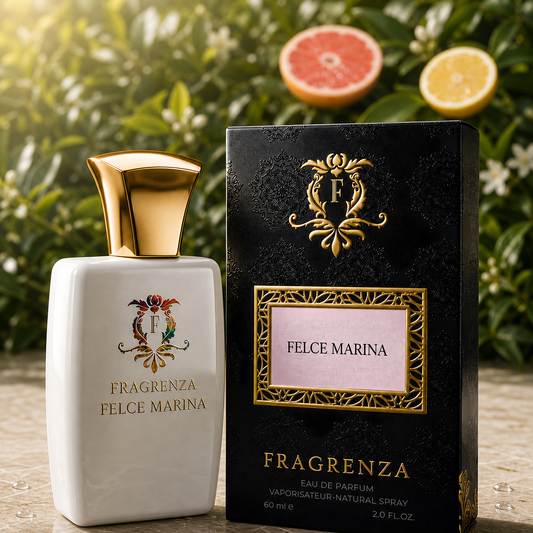
Felce Marina Felce MarinaVendor:Inspired by Xerjoff UdenRegular price From $9.99Regular price
$275.00Sale price From $9.99Sale -
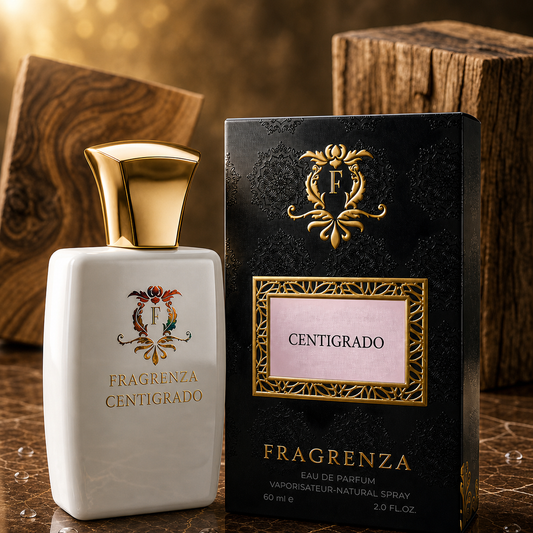
Centigrado CentigradoVendor:Inspired by Dior FahrenheitRegular price From $9.99Regular price
$104.00Sale price From $9.99Sale





About Gaiac Wood Fragrances
Gaiac wood — spelled variously as guaiac or guaiacwood — is one of perfumery's most fascinating and distinctive woody materials, derived from the heartwood of the Bulnesia sarmientoi tree native to the Gran Chaco region of South America. The tree produces one of the densest hardwoods in the world, and its essential oil is equally concentrated in character: a uniquely complex woody note with a slightly sweet, creamy quality balanced by a subtle smokiness and an unexpected tarmac-like, rubbery facet that gives it genuine distinctiveness. This combination of sweet wood, smoke, and exotic earthiness makes gaiac wood immediately recognisable to those who know it.
In perfumery, gaiac wood occupies a compelling middle ground between clean woods and smoky, incense-inflected materials. Its sweetness prevents it from feeling harsh or overly raw, while its smoky and tarry facets add depth and character that plain cedarwood cannot provide. This makes it particularly effective in oriental and woody fragrance families, where it adds textural interest and an exotic, slightly mysterious quality. It pairs beautifully with rose, oud, amber, and musks for rich, Eastern-influenced compositions, and with vetiver and patchouli for deeper, earthier woody blends.
Gaiac wood is also valued as a sustainable alternative to some endangered tropical woods, as conscientious suppliers now harvest it responsibly. Its unusual, multi-faceted character makes it a favourite among niche and luxury perfumers seeking to move beyond conventional woody notes. At Fragrenza, our gaiac wood-inspired fragrances celebrate this remarkable South American material, delivering its unique sweet-smoky-exotic character in quality-crafted compositions available at genuinely accessible prices.
Other Collections
Akigalawood Fragrances

From this collection: Better Peach — Bitter Peach by Tom Ford alternative
Explore our collection of akigalawood fragrances. Shop akigalawood perfumes and discover captivating scents.
Apple Fragrances

From this collection: Elisi — Elysium by Roja Parfums alternative
Explore our collection of apple fragrances. Shop apple perfumes and discover captivating scents.
Buddha Wood Fragrances

From this collection: Tendre Amour — Tendre Poison by Dior alternative
Explore our collection of buddha wood fragrances. Shop buddha wood perfumes and discover captivating scents.
Cashmir wood Fragrances

From this collection: Adeline — Delina Exclusif by Parfums de Marly alternative
Explore our collection of cashmir wood fragrances. Shop cashmir wood perfumes and discover captivating scents.
Guaiac Wood Fragrances

From this collection: Oudelation Man — Jubilation XXV by Amouage alternative
Explore our collection of guaiac wood fragrances. Shop guaiac wood perfumes and discover captivating scents.
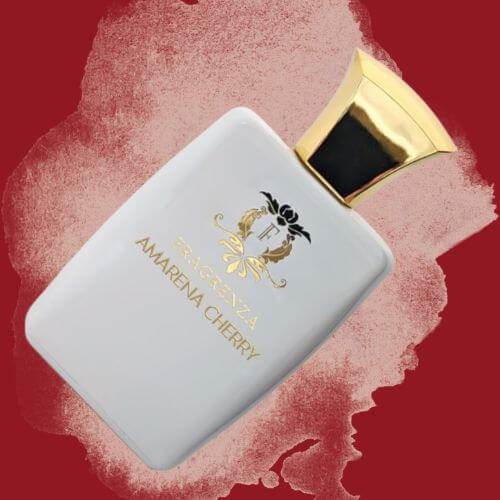
Amarena Cherry
Obsessed with cherry? If you want to really amp up the cherry scent, this Tom Ford Lost Cherry dupe will give Lost Cherry a run for its money. Black cherry, cherry syrup, and cherry liqueur all mingle together for an indulgent cherry overdose that’s complemented by notes of almond, tonka bean, Turkish rose, and jasmine sambac.
-
Our best sellers.
-
Adeline PDM Delina dupe Better Peach Tom Ford Bitter Peach dupe Chloris Gardenia Gucci Flora Gorgeous Gardenia dupe Fearless Love Kilian's Love, Don't Be Shy dupe Selvaggio Dior's Sauvage dupe Addict Noir YSL's Black Opium dupe Empress D&G's L'Imperatrice dupe Divino Bleu de Chanel dupe Lo amo J’Adore Dior dupe Pretty Girl Carolina Herrera's Good Girl dupe
-
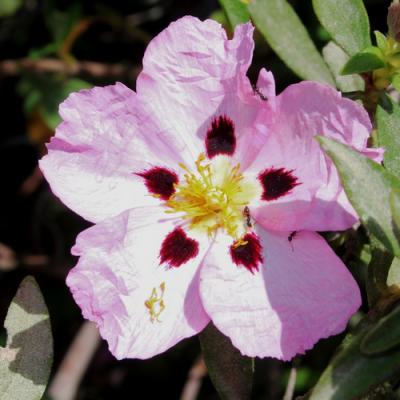
What Does Labdanum Smell Like?
Discover labdanum in perfumery — its warm, animalic, balsamic scent, history from ancient Mediterranean ritual to modern ambers, and its role in iconic fragrances.
-

What Does Patchouli Smell Like?
Patchouli smells like rich, dark earth — wet woods, chocolate, and aged leather. What it really smells like, why it’s linked to weed, and how to wear it.
-
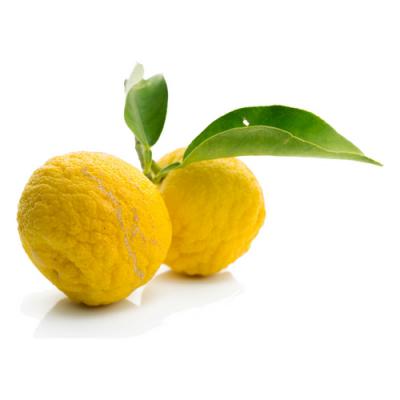
What Does Yuzu Smell Like?
What does yuzu smell like in perfumery? Explore this Japanese citrus note — its tart, floral-citrus scent, key aroma compounds, and how it elevates contemporary fragrance design.
-

What Does Amber Smell Like?
Discover what amber truly smells like in perfumery — from rare ambergris washed ashore to modern synthetics — and why it makes every fragrance warmer.

