


-
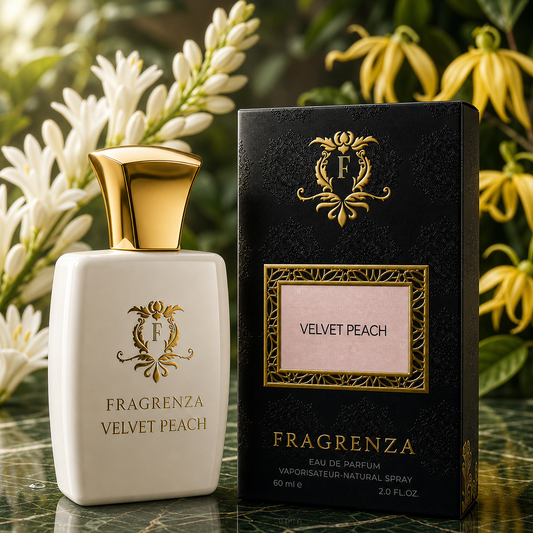
Velvet Peach Velvet PeachVendor:Regular price From $9.99Regular price
$200.00Sale price From $9.99Sale -

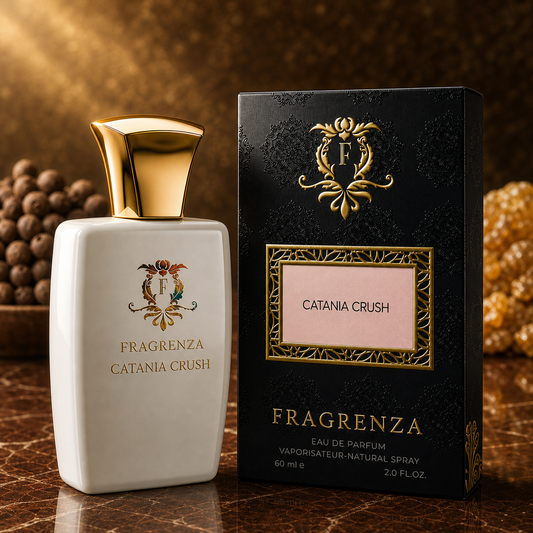 SaleCatania Crush Catania CrushVendor:Inspired by Dior PoisonRegular price From $9.99Regular price
$118.00Sale price From $9.99Sale -
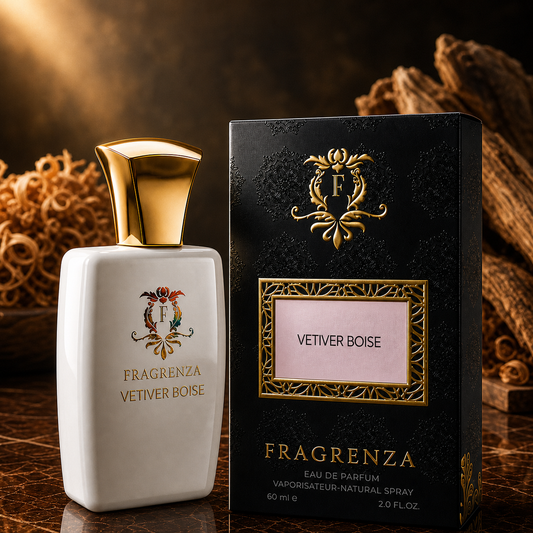
Vétiver Boisé Vétiver BoiséVendor:Inspired by Tom Ford Grey VetiverRegular price From $9.99Regular price
$140.00Sale price From $9.99Sale -
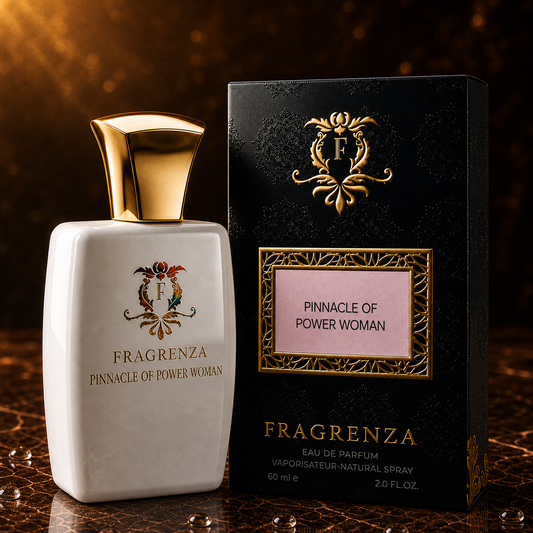
Pinnacle of Power Woman Pinnacle of Power WomanVendor:Inspired by Amouage Fate WomanRegular price From $9.99Regular price
$360.00Sale price From $9.99Sale -
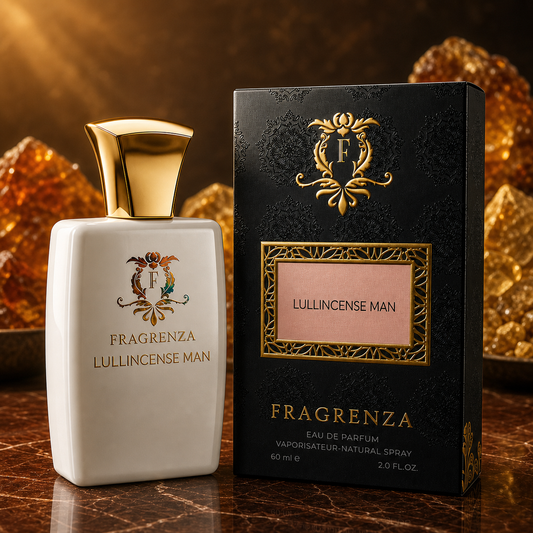
Lullincense Man Lullincense ManVendor:Inspired by Amouage Interlude ManRegular price From $9.99Regular price
$360.00Sale price From $9.99Sale -
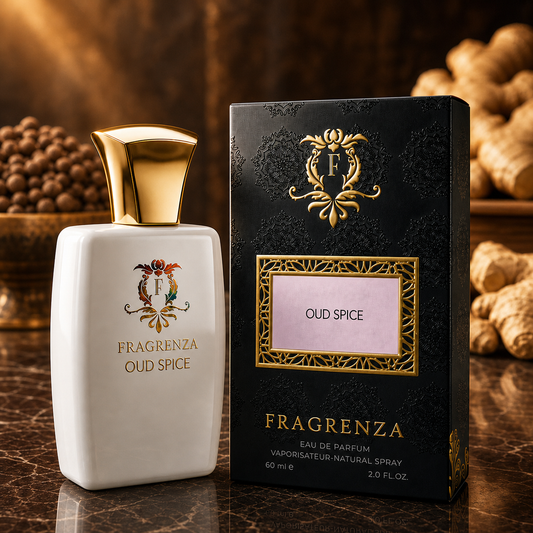
Oud Spice Oud SpiceVendor:Inspired by Tom Ford Oud FleurRegular price From $9.99Regular price
$350.00Sale price From $9.99Sale






About Pimento Seeds Fragrances
Pine tar is an ancient substance produced by the destructive distillation of pine wood — a slow, smouldering process that reduces timber to a thick, dark, powerfully aromatic liquid. Used historically across Scandinavia and Northern Europe for preserving ship timbers, treating animal hides, and as a folk remedy for skin conditions, pine tar carries centuries of practical tradition within its opaque depths. Its scent is unmistakably raw and industrial by modern standards: dense, smoky, resinous, and medicinal, with a tarry depth that is simultaneously off-putting and deeply fascinating.
In niche and avant-garde perfumery, pine tar occupies a provocative space. Its aromatic profile — dominated by phenols, cresols, and guaiacol — overlaps with birch tar, leather, and smoked wood notes, making it a powerful tool for perfumers seeking to evoke darkness, wildness, or olfactory memory of the pre-industrial world. Used with restraint, it gives leather and woody compositions a rough-hewn, almost rugged authenticity. It appears in dark, adventurous fragrances alongside oud, smoked resins, castoreum, vetiver, and raw wood accords.
Pine tar fragrances are not for the faint-hearted — they are bold, elemental, and thrillingly unconventional. At Fragrenza, our pine tar collection gathers the finest dupe fragrances that feature this raw, audacious note, making the world of dark, complex perfumery accessible to every curious fragrance explorer.
Other Collections
Apple Blossom Fragrances

From this collection: Velvet Peach
Explore our collection of apple blossom fragrances. Shop apple blossom perfumes and discover captivating scents.
Bergamot Fragrances

From this collection: Limone e Vaniglia — Lira by Xerjoff alternative
Explore our collection of bergamot fragrances. Shop bergamot perfumes and discover captivating scents.
Celery Seeds Fragrances

From this collection: Azure Coast — Costa Azzurra by Tom Ford alternative
Explore our collection of celery seeds fragrances. Shop celery seeds perfumes and discover captivating scents.
Pimento Fragrances

From this collection: Erba Speziata — Layton by Parfums de Marly alternative
Explore our collection of pimento fragrances. Shop pimento perfumes and discover captivating scents.
Pimento Leaf Fragrances

From this collection: Catania Crush — Poison by Dior alternative
Explore our collection of pimento leaf fragrances. Shop pimento leaf perfumes and discover captivating scents.
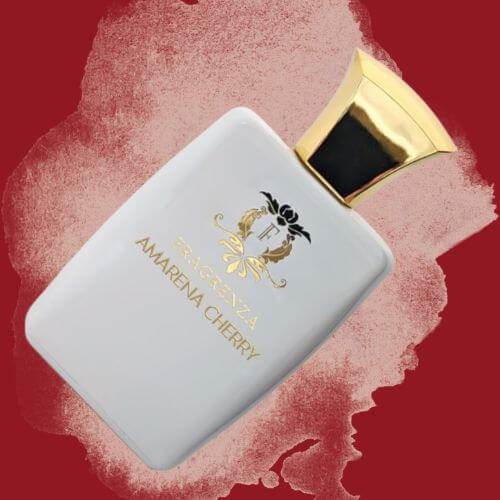
Amarena Cherry
Obsessed with cherry? If you want to really amp up the cherry scent, this Tom Ford Lost Cherry dupe will give Lost Cherry a run for its money. Black cherry, cherry syrup, and cherry liqueur all mingle together for an indulgent cherry overdose that’s complemented by notes of almond, tonka bean, Turkish rose, and jasmine sambac.
Spices
-
Our best sellers.
-
Adeline PDM Delina dupe Better Peach Tom Ford Bitter Peach dupe Chloris Gardenia Gucci Flora Gorgeous Gardenia dupe Fearless Love Kilian's Love, Don't Be Shy dupe Selvaggio Dior's Sauvage dupe Addict Noir YSL's Black Opium dupe Empress D&G's L'Imperatrice dupe Divino Bleu de Chanel dupe Lo amo J’Adore Dior dupe Pretty Girl Carolina Herrera's Good Girl dupe
-
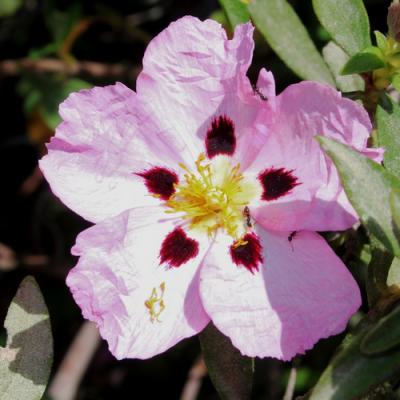
What Does Labdanum Smell Like?
Discover labdanum in perfumery — its warm, animalic, balsamic scent, history from ancient Mediterranean ritual to modern ambers, and its role in iconic fragrances.
-

What Does Patchouli Smell Like?
Patchouli smells like rich, dark earth — wet woods, chocolate, and aged leather. What it really smells like, why it’s linked to weed, and how to wear it.
-
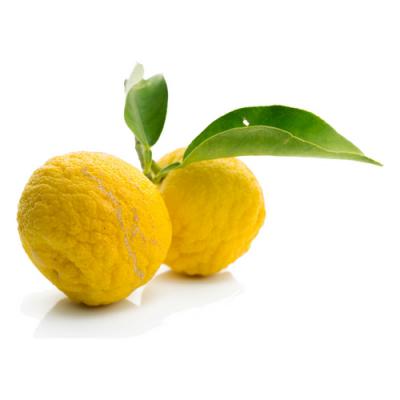
What Does Yuzu Smell Like?
What does yuzu smell like in perfumery? Explore this Japanese citrus note — its tart, floral-citrus scent, key aroma compounds, and how it elevates contemporary fragrance design.
-
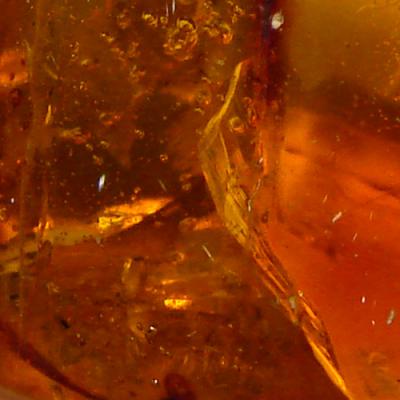
What Does Amber Smell Like?
Discover what amber truly smells like in perfumery — from rare ambergris washed ashore to modern synthetics — and why it makes every fragrance warmer.

