

-
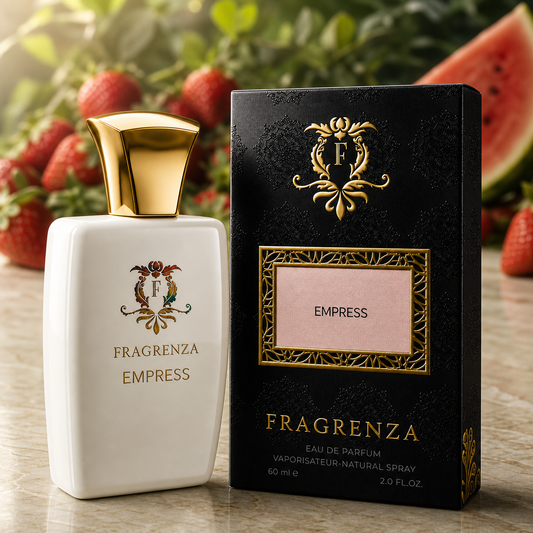
Empress EmpressVendor:Inspired by Dolce & Gabbana L'Imperatrice Limited EditionRegular price From $9.99Regular price
$84.00Sale price From $9.99Sale

About Watermelon Fragrances
Watermelon — Citrullus lanatus — is the quintessential fruit of summer, originating in the semi-arid regions of Africa and cultivated for thousands of years across warm climates worldwide. Its scent is immediately and universally evocative: sweet and watery, with a gentle green freshness from the rind, a cool aqueous quality from its flesh, and a light, candied fruitiness that makes it one of the most cheerful and summery aromas in the natural world. It is pure, unambiguous sunshine.
In perfumery, watermelon is primarily captured through synthetic reconstruction — molecules such as calone and watermelon ketone that reproduce its distinctive watery-fruity-green character. It is used to add freshness, lightness, and a distinctly summery quality to compositions, functioning particularly well in aquatic and fruity-fresh fragrances where its cool, watery sweetness adds playfulness and lift. Perfumers pair it with cucumber, melon, light musks, and citrus to create compositions that feel like a perfect summer afternoon — carefree, luminous, and effortlessly appealing.
Fragrenza's watermelon fragrances are a celebration of summer in its purest form — bright, sweet, and instantly mood-lifting. These compositions are designed for warm days, lazy afternoons, and anyone who wants their fragrance to feel like sunshine. Drawing from the freshest, most playful fragrances in the industry, Fragrenza delivers this summery joy through beautifully crafted dupes at the accessible prices that make great fragrance available to everyone, every day.
Other Collections
Cyclamen Fragrances

From this collection: Selva Africana — Bal d'Afrique by Byredo alternative
Explore our collection of cyclamen fragrances. Shop cyclamen perfumes and discover captivating scents.
Dolce & Gabbana Fragrances

From this collection: Empress — L'Imperatrice Limited Edition by Dolce & Gabbana alternative
Explore our collection of dolce & gabbana fragrances. Shop dolce & gabbana perfumes and discover captivating scents.
Magnolia Fragrances

From this collection: Brandy Star Woman — Sunshine Woman by Amouage alternative
Explore our collection of magnolia fragrances. Shop magnolia perfumes and discover captivating scents.
Musk Fragrances

From this collection: Signorina Miele — Miss Dior Chérie by Dior alternative
Explore our collection of musk fragrances. Shop musk perfumes and discover captivating scents.
Sandalwood Fragrances

From this collection: Amarena Cherry — Lost Cherry by Tom Ford alternative
Explore our collection of sandalwood fragrances. Shop sandalwood perfumes and discover captivating scents.
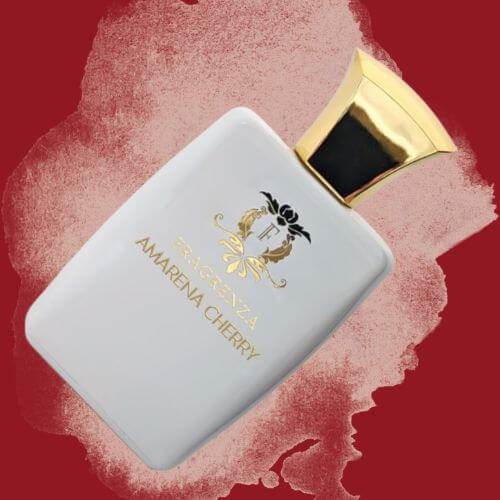
Amarena Cherry
Obsessed with cherry? If you want to really amp up the cherry scent, this Tom Ford Lost Cherry dupe will give Lost Cherry a run for its money. Black cherry, cherry syrup, and cherry liqueur all mingle together for an indulgent cherry overdose that’s complemented by notes of almond, tonka bean, Turkish rose, and jasmine sambac.
Fruits, Vegetables And Nuts
Cucurbitaceae familly
-
Our best sellers.
-
Adeline PDM Delina dupe Better Peach Tom Ford Bitter Peach dupe Chloris Gardenia Gucci Flora Gorgeous Gardenia dupe Fearless Love Kilian's Love, Don't Be Shy dupe Selvaggio Dior's Sauvage dupe Addict Noir YSL's Black Opium dupe Empress D&G's L'Imperatrice dupe Divino Bleu de Chanel dupe Lo amo J’Adore Dior dupe Pretty Girl Carolina Herrera's Good Girl dupe
-
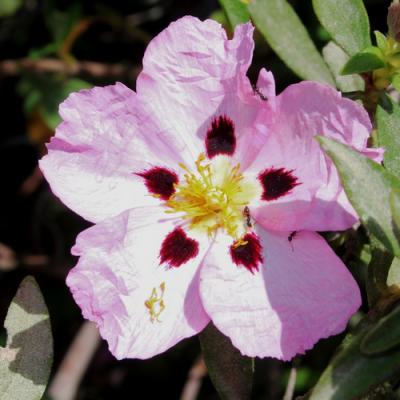
What Does Labdanum Smell Like?
Discover labdanum in perfumery — its warm, animalic, balsamic scent, history from ancient Mediterranean ritual to modern ambers, and its role in iconic fragrances.
-

What Does Patchouli Smell Like?
Patchouli smells like rich, dark earth — wet woods, chocolate, and aged leather. What it really smells like, why it’s linked to weed, and how to wear it.
-
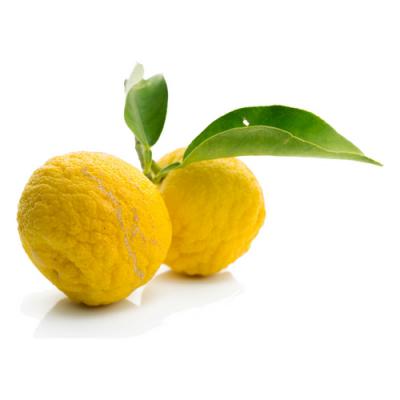
What Does Yuzu Smell Like?
What does yuzu smell like in perfumery? Explore this Japanese citrus note — its tart, floral-citrus scent, key aroma compounds, and how it elevates contemporary fragrance design.
-
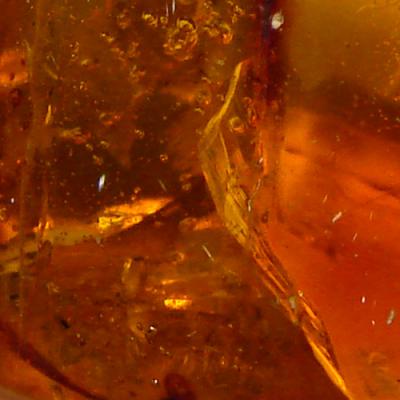
What Does Amber Smell Like?
Discover what amber truly smells like in perfumery — from rare ambergris washed ashore to modern synthetics — and why it makes every fragrance warmer.

