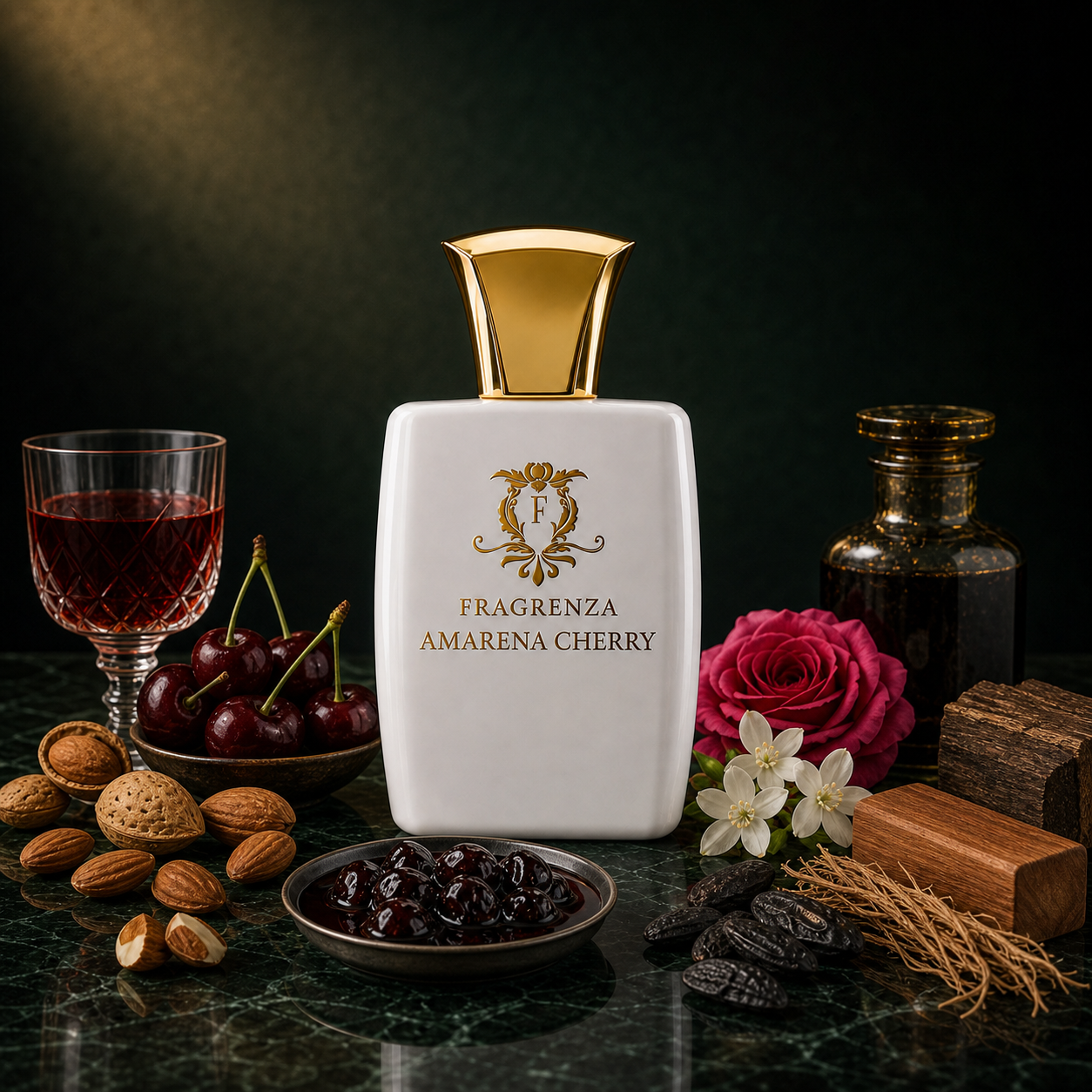
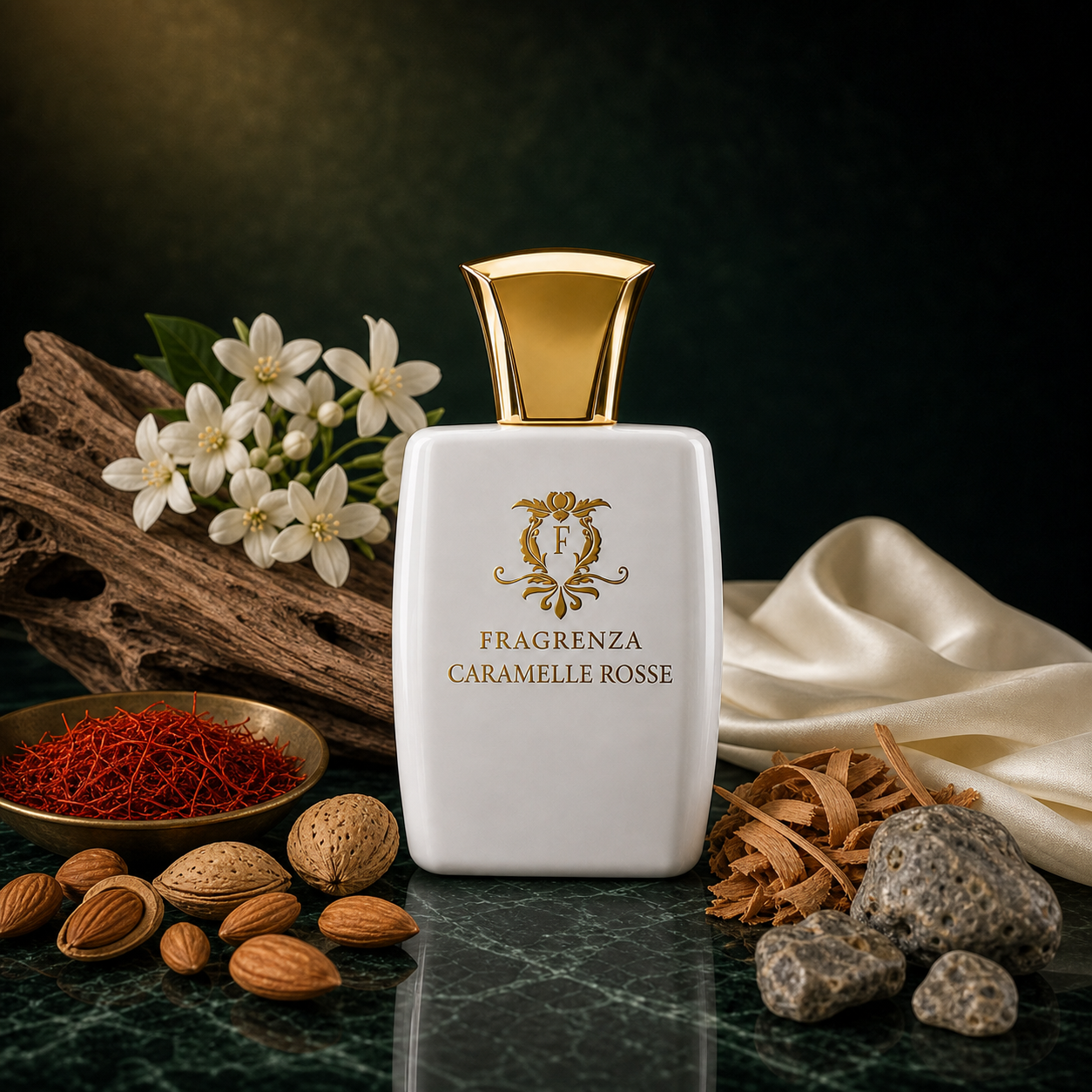
Fragrance Dupes Are Having a Moment in 2026 — And Here Is Why That Is a Good Thing
FragranceTok literacy turned dupe-shaming into dupe-respect - knowing the difference between calone, ambroxan, and Iso E Super has been democratised.
By Julia MorettiFragrenza makes several of the alternatives featured in our guides — here’s how we test.
5 min read
The Cultural Shift in 2026
Five years ago, mentioning that you wear a fragrance dupe carried mild social embarrassment. The implied confession was that you could not afford the luxury original — a confession that, in fragrance circles, where conspicuous consumption has historically been part of the appeal, felt awkward at best. The same conversation in 2026 happens entirely differently. "What are you wearing?" "Adeline — the Delina dupe. Twenty quid." "Smart." The cultural register has shifted from compromise to consumption-savvy.
This is one of the most important fragrance stories of the 2020s, and it is worth understanding why it has happened and what it means.
Three Forces Behind the Shift
The first force is the maturation of the dupe category itself. Quality has improved dramatically across the past decade. Serious houses (Fragrenza among them) now operate with the same material palettes, the same compositional principles, and increasingly the same material suppliers as the luxury houses. The actual quality gap between top-tier alternatives and luxury originals is real but small — much smaller than the price gap suggests.
The second force is social-media-driven fragrance literacy. FragranceTok, FragranceTwitter, and YouTube fragrance reviewers have created a sophisticated consumer base that can identify and discuss specific architectural choices. Wearers now know the difference between calone (1980s aquatic), Iso E Super (2010s clean-modern), ambroxan (2020s skin-close-warmth), and Cashmeran (post-2005 enveloping musks). When you understand the architecture, you can identify a quality dupe in the same way you can identify a quality copy of a designer handbag — it is not about the logo, it is about the structure.
The third force is the broader cultural shift around "smart consumption." The 2010s positioning of luxury as a status signal has been progressively replaced by a more value-conscious framing in the 2020s. Wearers now flex their fragrance literacy rather than their fragrance spending. Knowing that a £30 bottle from a quality alternatives house genuinely competes with a £300 luxury bottle — and choosing the £30 bottle — has become the new sophisticated move.
What This Means for the Luxury Houses
The luxury houses are paying attention. Some have responded by leaning into the trend (smaller bottle sizes, lower-priced flankers, accessible-luxury sub-brands); others have doubled down on exclusivity (extrait-only releases, gated retail, niche-house pricing tiers). The dupe market has effectively put price pressure on the mainstream designer luxury tier, which is mostly a healthy thing for consumers.
The luxury houses still have meaningful advantages in some respects. Real oud absolute is genuinely expensive and rare; high-grade saffron, ambergris, and natural rose absolutes are not commodity materials. For wearers who specifically prize natural-material quality at any cost, the luxury tier still makes sense. But for the much larger group of wearers who prize wearable architectural fidelity at sustainable prices, quality alternatives have become the smart-consumption default.
The Architectural-Family Pattern
What makes the Fragrenza approach specifically interesting in this moment is the architectural-family pattern. Rather than offering single one-to-one dupes for individual luxury brand fragrances, the Fragrenza approach covers entire emotional registers — dewy-rose, smoky-oud, savory-gourmand, fresh-aquatic-masculine, iris-vanilla-modern-feminine — with five clean handles each. The result is a wardrobe-building pattern: instead of replacing one luxury fragrance with one dupe, wearers build wardrobes from the same emotional vocabulary as luxury collections at sustainable prices.
This is the future of accessible luxury in fragrance. The single-bottle dupe market will continue to exist (and will continue to do useful work, particularly for wearers who simply want a Black Opium alternative or a Bleu de Chanel alternative). But the architectural-family approach scales differently: it lets a quality alternatives house cover the same wardrobe-position breadth as Tom Ford Private Blend or Maison Francis Kurkdjian with a fraction of the catalog size and a fraction of the per-bottle price.
Why This Is a Good Thing
Three reasons.
First, it democratises sophisticated fragrance. Wearers who could never afford the full luxury-tier wardrobe can now build genuinely sophisticated five- and six-bottle collections from quality alternatives. This is a meaningful improvement in the accessibility of fragrance as an art form.
Second, it puts useful price pressure on the luxury tier. The luxury houses still command premium prices, but they have to actually deliver luxury-quality experiences to justify those prices. The lower-quality "luxury" releases that traded on brand premium alone are losing ground, which is healthy for the category as a whole.
Third, it normalises wardrobe rotation. The luxury single-bottle model encourages wearers to commit to one daily-driver fragrance and skip the rotation that makes fragrance interesting. The architectural-family model encourages five-bottle wardrobes that match fragrance to occasion, season, and mood — which is much closer to how serious fragrance enthusiasts have always actually worn fragrance.
Frequently Asked Questions
Are fragrance dupes still controversial in 2026?
The cultural register has shifted from "slightly embarrassing" to "smart consumption." There are still purists who insist on luxury originals only, but they are a smaller and more marginal voice than they were five years ago. The mainstream consumer attitude is value-positive on quality alternatives.
What separates a quality dupe house from a cheap knockoff house?
Material quality, architectural fidelity, longevity, projection profile, and the mid-wear quality test. Quality dupe houses operate by the same principles as luxury houses; cheap knockoff houses substitute thin synthetic alcohol-and-fragrance-oil mixes that fade in two hours.
Are the luxury houses going to disappear because of dupes?
No. They will continue to exist and continue to do useful work, particularly for wearers who specifically prize natural-material quality at any cost. But the pricing pressure from quality alternatives will continue to constrain how much premium they can charge for what is functionally a mid-tier luxury experience.
Will I be judged for wearing dupes?
Almost certainly not. Most non-fragrance-enthusiasts cannot identify specific compositions from a distance, and most fragrance enthusiasts in 2026 are familiar with the quality alternatives category and respect smart consumption choices.
Should I switch entirely from luxury to alternatives?
Personal choice. Many wearers keep one or two specific luxury bottles (for sentimental, social, or specifically natural-material reasons) and build the rest of their wardrobe from quality alternatives. This is the most common compromise pattern.
Where will the category go from here?
The next five years will likely see continued maturation, more architectural-family-pattern houses, and probably some consolidation as smaller cheap-knockoff operations either upgrade their quality or get squeezed out. The serious quality-alternatives tier will continue to grow.
The Bottom Line
Fragrance dupes are having a cultural moment in 2026 because the category has finally earned it. Quality has matured, fragrance literacy has spread, and smart consumption has replaced conspicuous consumption as the dominant cultural register. The architectural-family pattern that anchors quality alternatives houses is the future of accessible luxury in fragrance. Wear what you love, sample widely, build a rotation across multiple registers, and stop apologising for smart consumption choices — they are now the sophisticated move.