Natural vs Synthetic Fragrance Ingredients: The Full Picture
Some of perfumery's most beautiful molecules have no natural equivalent at all - the synthetic-versus-natural framing is a false dichotomy.
By Julia MorettiFragrenza makes several of the alternatives featured in our guides — here’s how we test.
2 min read
A Debate Worth Understanding
The fragrance world is sometimes divided into camps: those who value natural ingredients above all else, and those who celebrate the possibilities of synthetic chemistry. The reality, as with most things, is nuanced. Understanding the genuine advantages and limitations of both will help you make better-informed decisions and appreciate the extraordinary complexity of modern perfumery.
The Case for Natural Ingredients
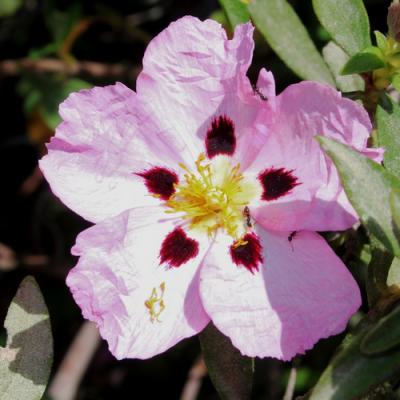
Natural fragrance materials — steam-distilled essential oils, solvent-extracted absolutes, CO2 extracts — carry a richness and complexity that is genuinely difficult to replicate synthetically. A natural rose absolute contains hundreds of distinct aromatic molecules; recreating its full character with isolated synthetics alone is a monumental challenge. For many perfumers, natural materials remain irreplaceable for their organic, living quality.
Beyond aesthetics, many consumers prefer natural ingredients for perceived health, ethical, or environmental reasons. The clean beauty movement has significantly amplified demand for natural-only formulations. And from a transparency standpoint, a natural ingredient list is often more legible — jasmine absolute is jasmine absolute.
The Case for Synthetics
- Consistency: Synthetic aroma chemicals are produced to precise specifications, eliminating the batch-to-batch variation inherent in natural materials
- Sustainability: Many precious naturals — oud, sandalwood, Indian jasmine absolute, Mysore sandalwood — come from threatened or over-harvested sources. Synthetics remove this pressure entirely.
- Safety: Some natural materials contain allergens and sensitising compounds at levels that would be restricted if they appeared in synthetics. Synthetic versions can be engineered to exclude problematic fractions.
- Unique smells: Some of the most beautiful and interesting fragrance materials ever created do not exist in nature. Ambroxan, Iso E Super, Cashmeran, Calone — these are purely synthetic inventions with no natural equivalent.
- Cost: Synthetic ingredients democratise perfumery, enabling quality fragrances at accessible prices.
The Best Fragrances Use Both
The natural-vs-synthetic framing is ultimately a false dichotomy. Almost every significant fragrance in history — including the most celebrated naturals-forward niche compositions — uses both natural and synthetic materials. The skill of great perfumery lies in combining the richness of naturals with the precision, stability, and innovation of synthetics in proportions that serve the artistic intention of the composition.
Reading the Label
In most jurisdictions, fragrance formulas are protected as trade secrets and need not be disclosed on packaging. The EU requires disclosure of 26 known allergens if present above threshold levels. Beyond this, ingredient transparency varies widely. If full natural or synthetic transparency matters to you, look for brands that publish their complete ingredient lists — a growing practice among ethical fragrance houses.