#PerfumeTok Has 6 Billion Views: How TikTok Transformed the Way We Buy Fragrance
Projection tests, skin chemistry reveals, and blind-buy reaction videos taught millions a working olfactory vocabulary - department store gatekeeping is gone.
By Julia MorettiFragrenza makes several of the alternatives featured in our guides — here’s how we test.
5 min read
Six billion views. The number is almost too large to process, and yet it represents something genuinely unprecedented in the history of the fragrance industry: a spontaneous, peer-driven, algorithmically amplified conversation about perfume that has reached more people than any marketing campaign any luxury house has ever funded. #PerfumeTok did not emerge from a boardroom strategy. It grew from bedrooms, bathroom counters, and kitchen tables — from ordinary people who were passionate about fragrance and found, to their evident surprise, that the rest of the internet was willing to watch.
The Anatomy of a Fragrance Video
To understand why #PerfumeTok worked, it helps to understand what a fragrance video actually does. Fragrance is, by definition, impossible to transmit through a screen. You cannot smell a TikTok. And yet the creators who built this community found ways to make the invisible viscerally compelling. They did it through the language of reaction — genuine, unscripted responses to first spritzes, communicated through facial expression, through the instinctive pulling of a sleeve to nose. They did it through the vocabulary of description, developing a shared lexicon of comparisons and references that allowed experienced enthusiasts to communicate the character of a fragrance with surprising precision.
Unboxing content made the ritual of receiving a new fragrance feel participatory and exciting. Projection tests — spraying a fragrance and stepping back to determine how far it radiates — gave viewers practical, comparative information that no brand advertisement had ever provided. Skin chemistry reveals, in which creators showed how the same fragrance transformed radically from person to person, explained something that every fragrance enthusiast knew experientially but had never seen communicated so clearly at scale. In short, #PerfumeTok created a new kind of fragrance literacy — messy, democratic, occasionally inaccurate, and enormously effective.
The Power Shift
What TikTok did to fragrance was fundamentally a disruption of authority. For most of the twentieth century, fragrance culture was controlled by a small number of powerful interests: the major luxury houses, a handful of specialist publications, and the department store fragrance counter, where trained staff wielded significant influence over the purchasing decisions of consumers who lacked the vocabulary to articulate what they were looking for. The power flowed downward, from experts and institutions to consumers.
Social media reversed that flow entirely. A twenty-three-year-old with a ring light and a genuine enthusiasm for skin musks could accumulate more influence over fragrance purchasing decisions than a heritage house's entire marketing department. The peer recommendation — always the most trusted form of commercial endorsement — was suddenly scalable in ways that had never been possible before. When a creator with a substantial following declared a fragrance a masterpiece, bottles sold out within hours. When they expressed disappointment, search traffic for alternatives spiked immediately.
The Fragrances That TikTok Made Famous
The roll call of fragrances that owe a significant portion of their cultural moment to social media is now long and diverse. Certain niche releases, previously known only to a specialist audience and available through a handful of boutiques, found themselves suddenly on backorder worldwide after a single video went viral. Designer releases that had been quietly ageing on department store shelves were rediscovered by younger audiences and sold out entirely. The community developed its own canon of "must-smells" and "sleep on it" discoveries, updated constantly and debated energetically in comment sections that often contained more genuine expertise than any official brand material.
What is particularly striking is the breadth of fragrance that thrived on TikTok. The platform was not exclusively kind to the accessible or the mainstream. Some of the most viral fragrance content involved genuinely challenging, expensive, or conceptually ambitious compositions — fragrances that the industry had assumed would never find a mass audience. It turned out that the mass audience was more curious and more sophisticated than anyone had given it credit for.
The Rise of the Fragrance Influencer
The fragrance influencer as a professional category barely existed five years ago. Today it is a recognised, commercially significant role with its own economics, ethics debates, and specialist subgenres. Blind-buy reviews — purchasing and reviewing a fragrance without having smelled it beforehand — have become a content format with dedicated audiences. Fragrance collection tours generate millions of views. Side-by-side comparisons of designer originals and their alternatives have become among the most commercially influential content the category produces.
This last format has been particularly consequential. The mainstream discovery that high-quality fragrance alternatives exist — that many of the olfactive pleasures of a three-hundred-pound bottle are accessible at a fraction of the cost — fundamentally changed consumer expectations. Brands like Fragrenza, which exist precisely to bring luxury-quality fragrance experiences to a broader audience, found themselves benefiting directly from a cultural moment that social media created and continues to sustain.
What Comes Next
The fragrance industry in 2026 is still absorbing the implications of #PerfumeTok's rise. Heritage houses have adapted — some gracefully, some awkwardly — to a world in which their narratives are no longer theirs alone to control. Niche houses have discovered that social media can compress the years it once took to build a reputation into weeks. And consumers have emerged from this moment more informed, more demanding, and more adventurous than any previous generation of fragrance buyers.
Six billion views is not a moment. It is a permanent reorientation — a before and after for an industry that has not fundamentally changed its relationship with its audience since the invention of the celebrity fragrance. The conversation has moved, irrevocably, from the advertisement to the comment section. And the fragrance industry is, slowly and not always comfortably, learning to listen.
Discover at Fragrenza
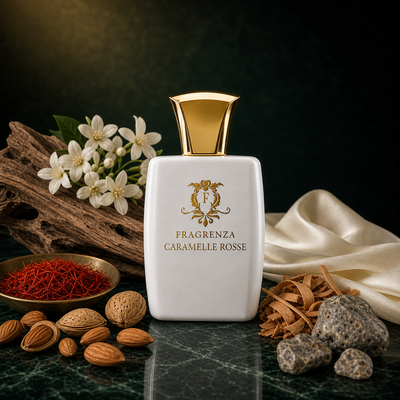
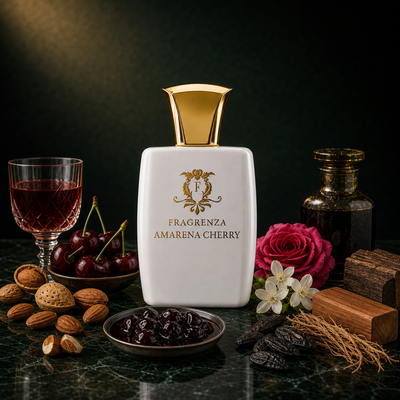
Two of the fragrances that generated the most genuine excitement on #PerfumeTok are available at Fragrenza for a fraction of the original price: