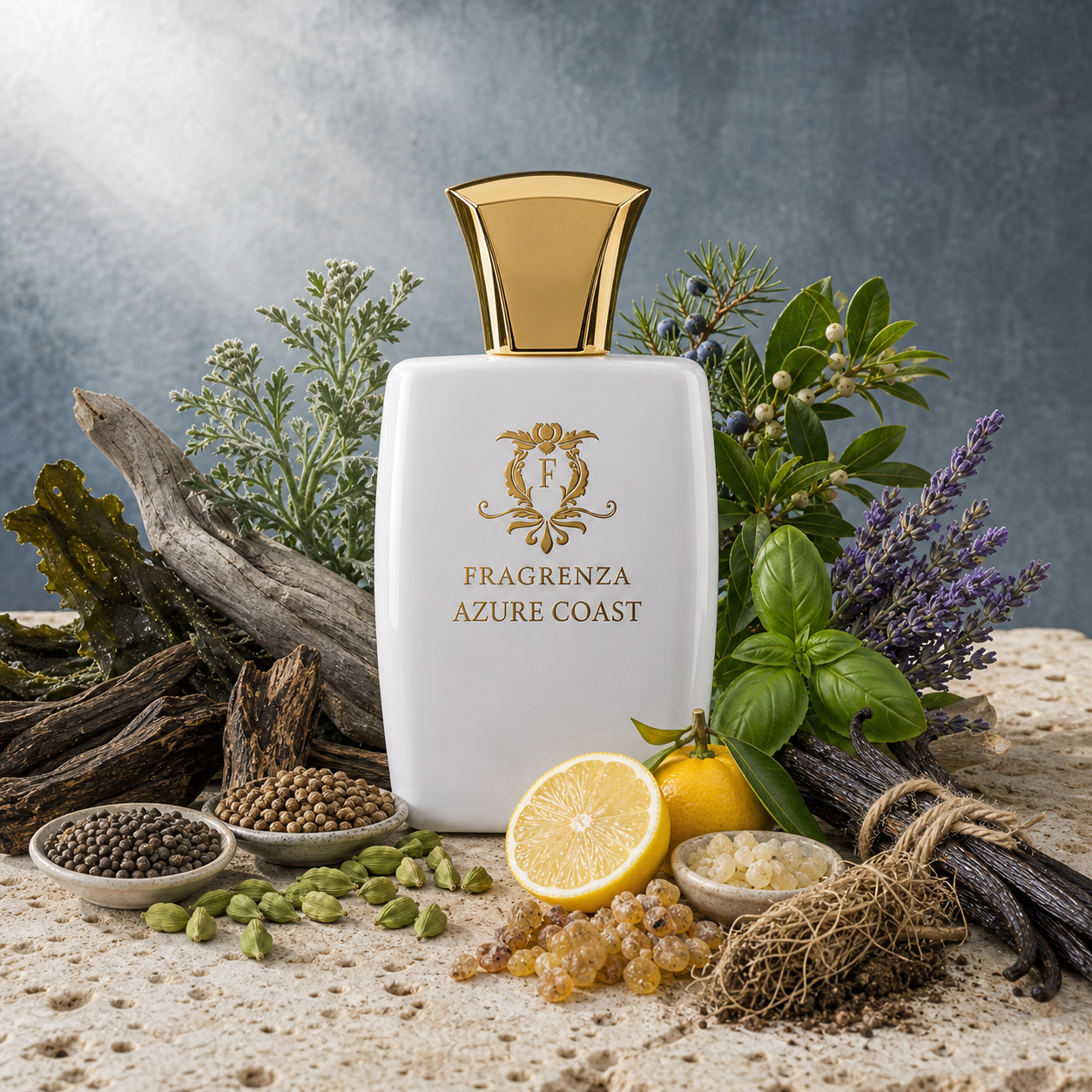
Seasonal Scenting Is Dead: Why the Rules About Heavy Perfume in Summer No Longer Apply
Atmospheric chemistry still amplifies heavy orientals at thirty degrees, but the French seasonal canon coded for Provence parties no longer maps to climate-controlled lives or warmer winters.
By Julia MorettiFragrenza makes several of the alternatives featured in our guides — here’s how we test.
5 min read
There was a time when the fragrance calendar ran like clockwork. Come June, you reached for the light citrus, the aquatic, the pale green tea. Come November, you permitted yourself the amber, the oud, the smoke. These rules felt immutable — handed down not from any single authority, but absorbed from a kind of collective understanding about how scent behaved in heat and cold, about what was considered appropriate, about the seasonal rhythms of European perfumery culture from which so much of the modern industry descended.
In 2026, those rules are not merely bending. They are gone.
Where the Rules Came From
To understand why seasonal scenting guidelines existed, it helps to understand the legitimate concerns behind them. Heat genuinely does amplify fragrance projection. A heavy oriental worn in thirty-degree summer air becomes something overwhelming, a presence that announces itself before you enter a room and lingers long after you leave it. The classical advice to wear lighter fragrances in summer was not mere convention — it had a basis in atmospheric chemistry and, frankly, in basic social consideration for those around you.
European perfumery tradition compounded this with cultural context. The great French houses developed their seasonal canons in a specific climate and for a specific social world, one in which wearing a dense rose-oud composition to a July garden party in Provence would have marked you as tonally confused at best. The rules encoded a kind of social intelligence about when and how to deploy different olfactory registers.
Add to this the logistical reality that the fragrance market was, for most of the twentieth century, geographically siloed. What sold in Paris or London was formulated with European temperatures in mind. What sold in the Gulf was made for an entirely different ambient climate. There was little crossover, and the rules that emerged reflected those contained worlds.
Why None of That Holds Anymore
The first and most obvious disruption is climate itself. Average summer temperatures across Europe and North America are not what they were when the seasonal canons were written. A July in London now bears less resemblance to the mild summer days that shaped the British fragrance imagination, and more resemblance to conditions that were historically associated with southern Mediterranean climates. The old rules were calibrated to a temperature range that is now frequently exceeded.
But the more profound shift is cultural. Global travel has dissolved the geographic silo. Social media has dissolved the cultural norm. When fragrance communities form across continents — when someone in Seoul, São Paulo, and Stockholm are all watching the same fragrance content, sharing the same niche releases, participating in the same conversations — the inherited European seasonality canon looks increasingly parochial. Why should a fragrance lover in Singapore, where there is effectively no winter, organize their wardrobe around northern hemisphere seasons?
The specific examples of rule-breaking gaining cultural momentum are telling. Oud in August has moved from transgression to genuine trend. The deep, resinous, barnyard-inflected quality of high-grade oud, worn against summer skin heat, generates a projection and evolution that many wearers now actively seek — the very amplification that old rules warned against becoming, in a different frame, the point. Conversely, wearing a bracing aquatic in December, layered against wool and worn in central-heated offices, has found its champions among those who use fragrance as a counterpoint to season rather than a reflection of it.
The Science Reframed
Temperature does affect how fragrance projects — but the effect is more nuanced than the old rules acknowledged. Heat accelerates the volatilization of top notes, which is why heavy fragrances can smell overwhelming in summer. But this same process means that the full development of a complex fragrance — its arc from opening through heart to dry-down — happens faster and more expressively in warmth. Wearing an oud or amber in summer is not simply wearing a winter fragrance in the wrong season; it is experiencing a different, faster, often more dramatic version of that fragrance.
Cold, meanwhile, compresses fragrance projection and slows development. Wearing a light, transparent fragrance in winter is not simply wearing a summer fragrance in the wrong season; it is wearing something quiet, intimate, close to the skin — which is itself a valid and often beautiful choice.
The Mood-First Wardrobe
The emerging alternative to seasonal thinking is mood-first curation. Rather than organizing a fragrance wardrobe by calendar, the contemporary approach asks a different set of questions: What do I want to project today? What emotional register am I inhabiting? What does this occasion demand?
At Fragrenza, this philosophy informs how the collection is presented — not as summer fragrances and winter fragrances, but as distinct olfactory personalities available on demand, regardless of what month the calendar shows. The wardrobe that serves you best is the one that responds to your actual life, not to rules written for a different climate and a different world.
The old seasonal scenting framework was useful once. It gave structure to choices that could otherwise feel overwhelming, and it encoded a kind of social intelligence about fragrance projection in specific contexts. But the world those rules described no longer exists. Temperature, culture, geography, and individual identity have all shifted in ways that make the old calendar feel not just outdated but actively limiting.
Wear the oud in August. Wear the aquatic in December. The only rule that remains is that fragrance should be true to the person wearing it.
Discover at Fragrenza
If the season no longer dictates what you wear, the only question left is which fragrance best captures how you feel right now. At Fragrenza, our men's fragrance collection is built for exactly this kind of mood-first wardrobe — a range that spans registers without apology.
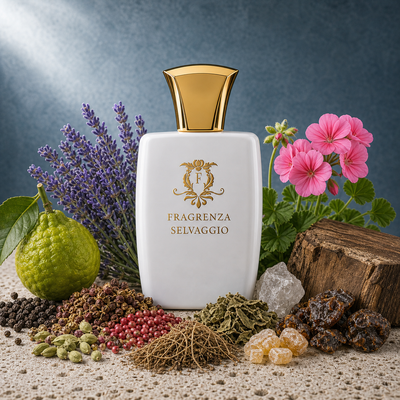
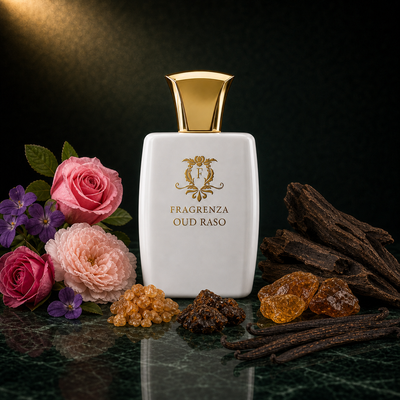
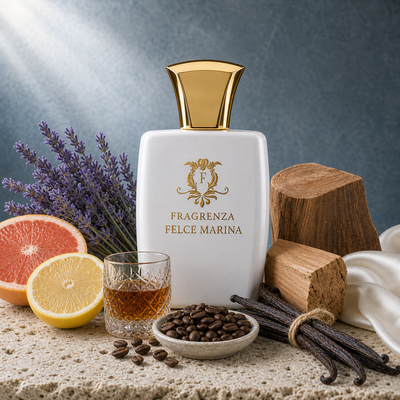
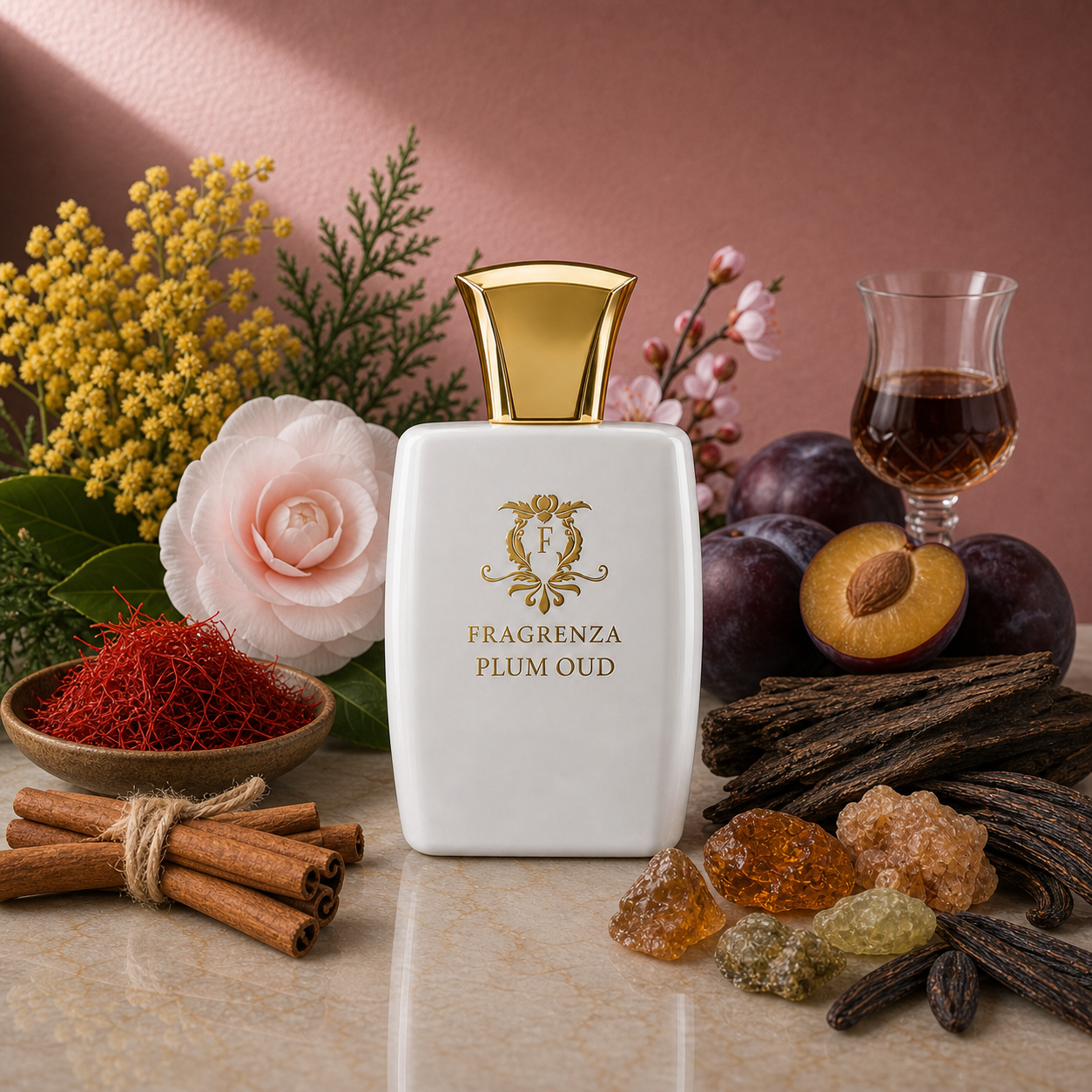
is the ideal candidate for year-round wear: a heavy, skin-close freshness that defies easy seasonal placement, projecting confidently in summer heat and anchoring a cool-weather outfit with equal assurance. For those drawn to the oud-in-August movement, is a richly textured oriental that rewards the amplification of warm weather rather than fighting it. And for the counterpoint approach — wearing something crystalline and aquatic against the cold — delivers a bracing marine freshness that works as well in December as it does in July. Browse our best sellers to find the fragrance that fits your mood today, whatever the calendar says.