The Best Affordable Alternatives to 2026's Most Viral Fragrances
The aromatic concentrate accounts for roughly five to fifteen percent of a designer retail price, with packaging and influencer spend covering the rest of what the consumer pays.
By Julia MorettiFragrenza makes several of the alternatives featured in our guides — here’s how we test.
4 min read
There is a particular kind of frustration that arrives when a fragrance goes viral. You discover it through a short-form video or a breathlessly enthusiastic review, you feel genuinely excited by the description — pistachio cream and warm musk, or a berry-drenched rose wrapped in dark amber — and then you find the price. Ninety pounds. One hundred and forty euros. Sometimes more, for a bottle that contains roughly the same quantity of aromatic molecules as a far less celebrated alternative. The economics of viral fragrance in 2026 have become increasingly difficult to justify on purely olfactory grounds.
Why Viral Fragrances Cost What They Cost
Understanding the price premium begins with understanding what you are actually paying for. The fragrance juice itself — the concentration of aromatic compounds suspended in alcohol — typically represents a small fraction of the retail price of a designer or niche bottle. The remainder covers packaging design, celebrity or influencer marketing, retail margin, brand heritage positioning, and the considerable cost of sustaining a viral moment across multiple platforms simultaneously.
None of this is cynical exactly — branding has genuine value, and beautiful packaging contributes to the experience of ownership. But it does mean that when a fragrance becomes a cultural phenomenon in 2026, its price reflects its cultural status as much as its contents. The liquid inside a viral bottle is rarely more sophisticated than that found in a thoughtfully made alternative at half the price.
How to Evaluate a Genuine Alternative
Not all alternatives are equal, and it is worth developing a discerning eye. A genuine alternative shares key aromatic materials with its inspiration — the same lactone note that makes a pistachio accord creamy, the same hedione derivative that gives a modern floral its radiant transparency, the same woody ambers that anchor a dark gourmand. A superficially inspired fragrance might simply smell vaguely similar in its opening minutes before diverging entirely on the dry-down.
The most reliable way to evaluate an alternative is to test both side by side on skin — not on paper. Note whether the alternative tracks the original through its full development: opening, heart, and base. A fragrance that opens similarly but dries down to something completely different is borrowing aesthetic inspiration rather than sharing genuine olfactory DNA. That can still be a good fragrance — but it is a different one.
The Viral Categories of 2026 and Their Alternatives
The pistachio category — creamy, nutty, slightly roasted, usually anchored in warm musk — has been the most commercially dominant new accord of the year. The landmark releases are priced firmly in the premium bracket, but the underlying combination of pistachio facets, heliotrope, and sandalwood is achievable at significantly lower price points. Seek alternatives with explicit pistachio top notes, a sweet almond or marzipan heart, and a clean musky base rather than something muddier.
In the berry category, the 2026 viral profile tends toward deep, jammy blackberry or cassis over a rose heart — opulent, slightly dark, more sophisticated than the candied berry fragrances of earlier years. The quality marker here is whether the berry note reads as genuinely fruity or merely synthetic. Alternatives that use actual blackcurrant bud absolute or real cassis distillate will outperform those relying entirely on synthetic approximations.
The dark gourmand category remains the most populated by quality alternatives. The viral profile — typically chocolate, tobacco, and vanilla layered over a woody or resinous base — is a well-understood formula that many independent houses have mastered without the marketing machinery. Some of the most compelling dark gourmands of 2026 come from brands that spend their budget on ingredients rather than campaigns.
Among juicy florals, the 2026 viral iteration tends toward peony and lychee combinations with a dewy freshness that somehow manages to feel simultaneously clean and indulgent. Alternatives here should prioritise the texture of the floral — that wet, almost edible quality — over mere sweetness.
The Fragrenza Philosophy
Fragrenza was built on a straightforward proposition: exceptional aromatic quality does not require an exceptional price. The entire catalogue is constructed around the idea that the same accords and aromatic families that define the most celebrated fragrances in the world are accessible to anyone willing to look past the prestige label. This is not about compromise. It is about understanding where the value actually lives in a fragrance — and choosing accordingly.
In 2026, the most sophisticated fragrance consumers are not necessarily those with the largest budgets. They are those who have learned to follow their noses rather than their social feeds — who know that the most important question about any fragrance is not who made it or how much it costs, but whether it is right for them.
Discover at Fragrenza
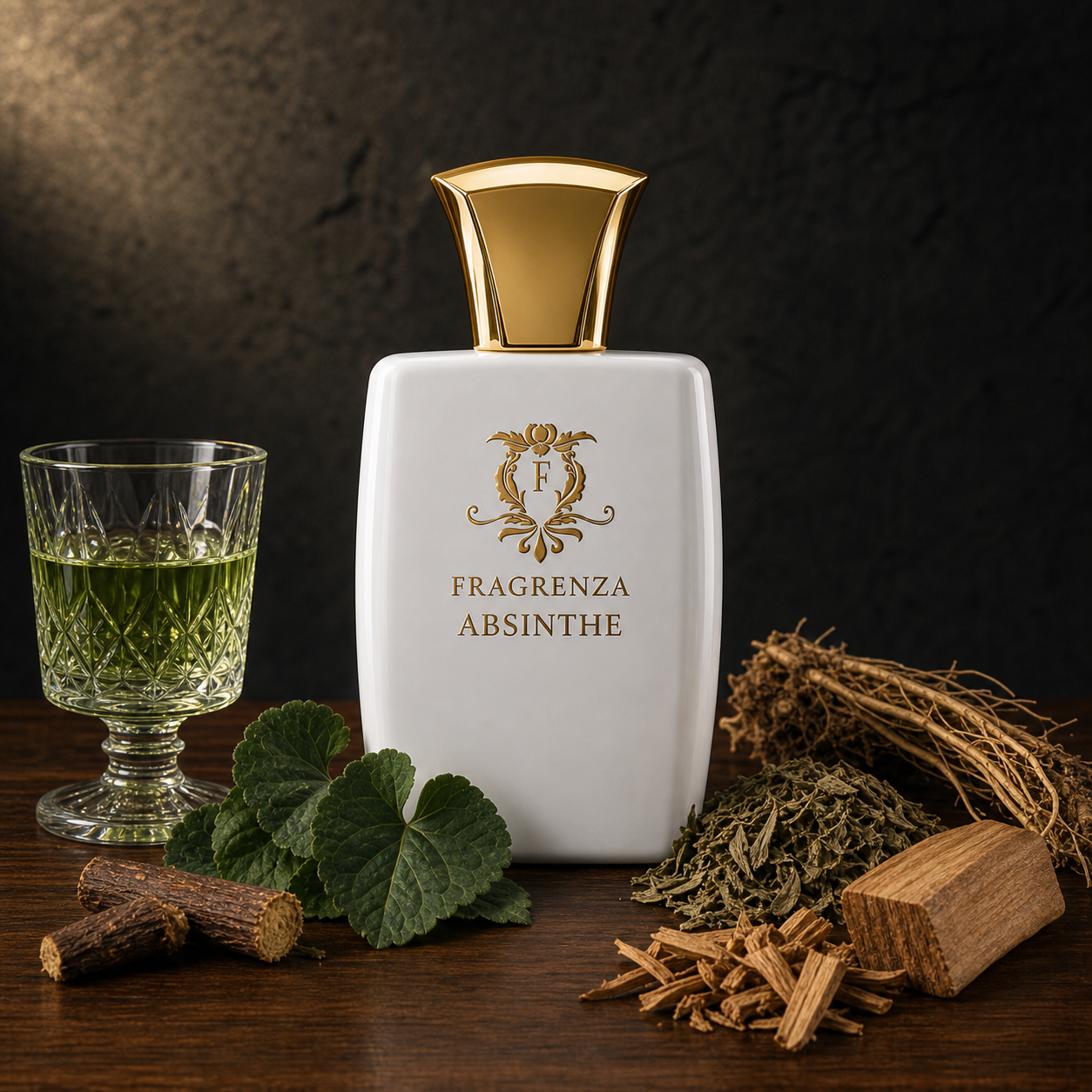
If the viral fragrances of 2026 have caught your attention, Fragrenza offers compelling alternatives across every trending category — at prices that reflect the quality of the liquid rather than the size of the marketing budget.