

The Best Summer Fragrances: Light, Fresh, and Made for Warm Weather
Bergamot, neroli and aquatic accords need a musky or woody floor underneath, because volatile citrus alone cannot survive heat and perspiration.
By Julia MorettiFragrenza makes several of the alternatives featured in our guides — here’s how we test.
6 min read
Why Summer Demands a Different Fragrance Strategy
Heat changes everything in perfumery. What smells rich and enveloping on a cold January morning becomes suffocating by August. The molecules that give a fragrance its warmth and depth — the ambers, the musks, the heavy resins — amplify dramatically in warm air, projecting outward with a force that can cross a room and occasionally clear one. This is why the fragrance you reach for in December should almost never be the one you reach for in July.
Summer perfumery has its own set of demands. A warm-weather fragrance must be bright enough to cut through the heat without feeling thin, complex enough to be interesting without being oppressive, and durable enough to survive the particular challenge that perspiration presents to top-note-heavy compositions. It is a more technically demanding brief than most people appreciate — and it explains why the best summer fragrances are genuinely impressive pieces of perfumery.
The Architecture of a Summer Fragrance
The building blocks of warm-weather perfumery are, by now, well-established. Citrus notes — bergamot, lemon, grapefruit, neroli — provide the brightness that makes a fragrance feel appropriate for sunshine. Aquatic and ozonic accords add a freshness that reads as clean rather than simply light. Florals in summer compositions tend to be airy rather than heavy: white flowers, light rose, jasmine kept in check by fresher supporting notes.
The challenge with citrus-forward fragrances is longevity. Natural citrus materials evaporate quickly — they are volatile by nature, which is what makes them smell so bright and immediate. A summer fragrance that disappears within an hour has not solved the brief. The best compositions use the citrus opening as a statement while building a more durable structure underneath: a musky, woody, or lightly floral base that holds the fragrance on skin long after the initial brightness has faded.
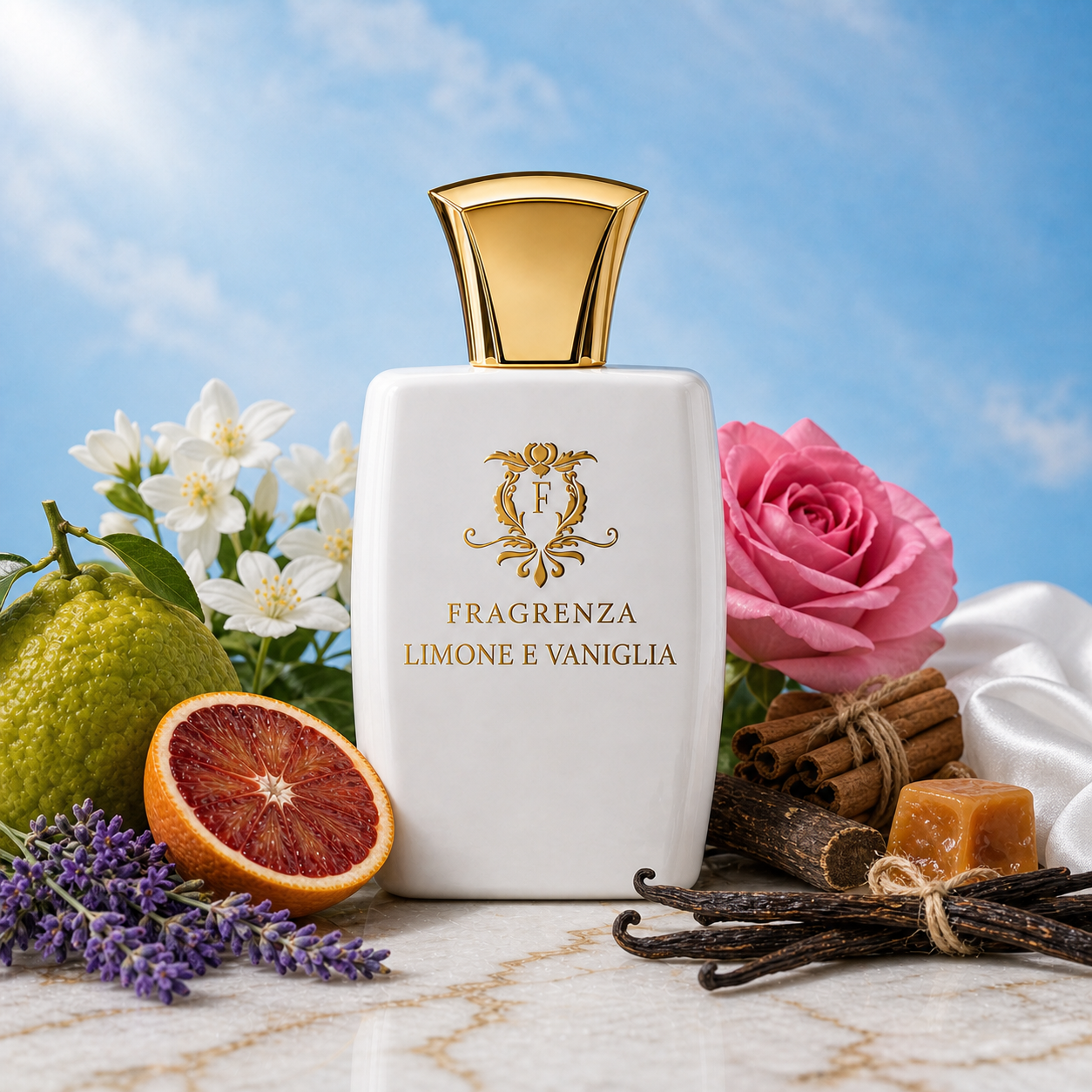
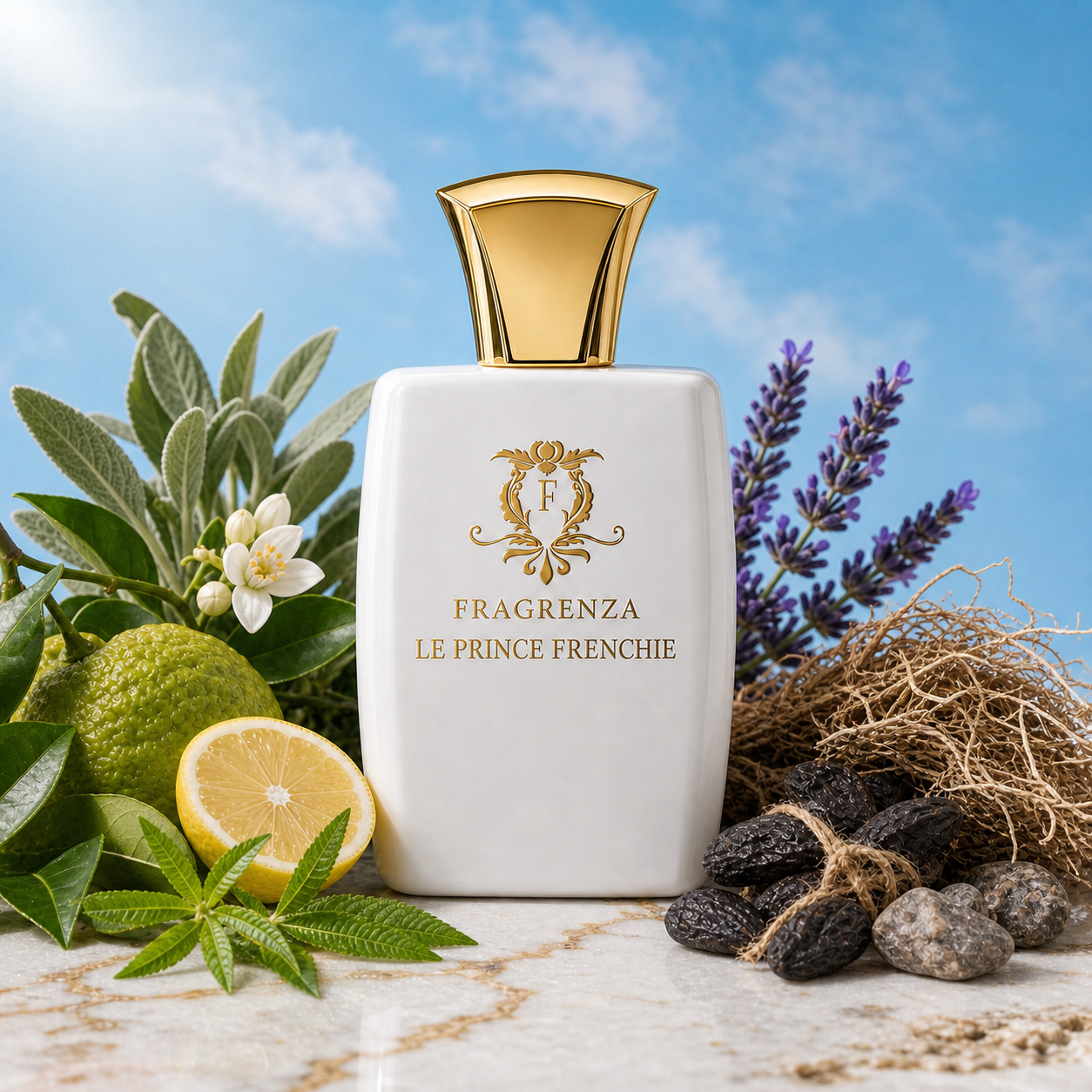
The citrus fragrance collection at Fragrenza gathers the finest warm-weather compositions in the range, and understanding what makes each one work reveals a great deal about the architecture of summer perfumery more broadly.
Bergamot: The Quintessential Summer Note
No single ingredient is more associated with warm-weather fragrance than bergamot. This small, intensely aromatic citrus fruit — grown primarily along the Calabrian coast of southern Italy — provides the bright, slightly floral, green-edged quality that defines classic summer scent. It is the note that makes the opening of a fragrance feel like stepping outside on a clear morning.
Understanding how bergamot works in perfumery reveals why it is so valuable: it bridges the gap between citrus and floral, providing brightness without the sharp sourness of lemon or the grapefruit's bitterness. It is a sophisticated ingredient that makes everything around it smell better, which is why it appears in more fragrances — of every style and category — than almost any other single material.
Neroli and the Art of the Summer Floral
While citrus provides the brightness in summer fragrance, florals provide the complexity. And for warm-weather compositions specifically, no floral is more useful than neroli. Distilled from the blossoms of the bitter orange tree — the same tree that gives us bergamot from its rind — neroli is a floral that smells simultaneously sweet, fresh, and slightly waxy. It bridges the gap between the brightness of a citrus opening and the warmth of a base accord, providing a heart that feels both luxurious and entirely appropriate for hot weather.
The role of neroli in perfumery has become increasingly prominent as the market has moved toward cleaner, more transparent compositions. Paired with bergamot and a light musky base, it produces the kind of fragrance that manages to smell both effortless and expensive — the holy grail of summer scent.
The Case for Lemon in Summer Fragrance
Lemon is perhaps the most immediately legible of all citrus materials in perfumery — everyone knows exactly what it smells like, which is both its strength and its limitation. Used clumsily, it reads as cleaning product or furniture polish. Used well, it provides a sharpness and clarity that bergamot, for all its qualities, cannot quite replicate. The best summer fragrances often use both: bergamot for its roundness and floral edge, lemon for the bright, clean attack that makes the first impression so immediate.
The craft of using lemon as a fragrance note is in knowing how much is right. Too little and you lose the clarity; too much and the fragrance tips into something that belongs in a kitchen rather than on skin. The finest lemon-forward summer compositions treat it as a structural element rather than a dominant theme — present and important, but always in service of a larger picture.
The Floral Dimension: Beyond Simple Freshness
The best summer fragrances are rarely purely citrus. The floral fragrance collection at Fragrenza contains compositions that approach warm weather from a different angle entirely: the airy, solar florals that smell like warm skin rather than cold water. These are fragrances for afternoon rather than morning, for evenings that stay light until nine o'clock rather than the first sharp hour of the day.
A light rose or jasmine-inflected composition worn in summer heat behaves quite differently to the same fragrance worn in winter: the warmth of the skin amplifies the floral heart and accelerates the transition from top notes to base, producing a more intimate, skin-close effect than cooler temperatures would allow. This is one of the genuine pleasures of warm-weather wearing — the way heat draws out complexity that might otherwise remain latent.
How to Wear Summer Fragrance Well
Warm weather demands a slightly different application approach. The standard advice — pulse points, wrists, neck — remains valid, but summer wearing benefits from a lighter hand. Two or three sprays will perform more expansively in heat than they would in winter, which means the eau de parfum concentration you relied on through January may need dialling back to an eau de toilette equivalent in July.
Freshly showered, moisturised skin holds fragrance better than dry skin regardless of season, but this is especially relevant in summer when perspiration can displace or alter a fragrance over the course of a day. A light, unscented body lotion applied before the fragrance creates a base layer that helps the composition last longer and project more evenly.
The other summer-specific consideration is storage. Heat and light are the enemies of fragrance stability: a bottle left on a sunny windowsill for three weeks will lose a measurable amount of quality. Keep summer fragrances in a cool, dark place when not in use, and they will last as long as their cold-weather counterparts.
Building a Summer Wardrobe of Scent
The principle of fragrance wardrobing — having different scents for different occasions, moods, and contexts — applies with particular force in summer. The fragrance appropriate for a weekend morning at a market is not the same as what you want for a warm evening. The composition that feels perfect for the office air conditioning is rarely right for an outdoor garden party.
A well-constructed summer fragrance wardrobe might include a bright, citrus-forward composition for daytime and professional contexts; an airy floral for casual warm evenings; and something with a little more presence — perhaps with a woody or slightly oriental base — for occasions when you want to make more of an impression. Three fragrances, three distinct contexts, infinite variety in how you combine and deploy them.