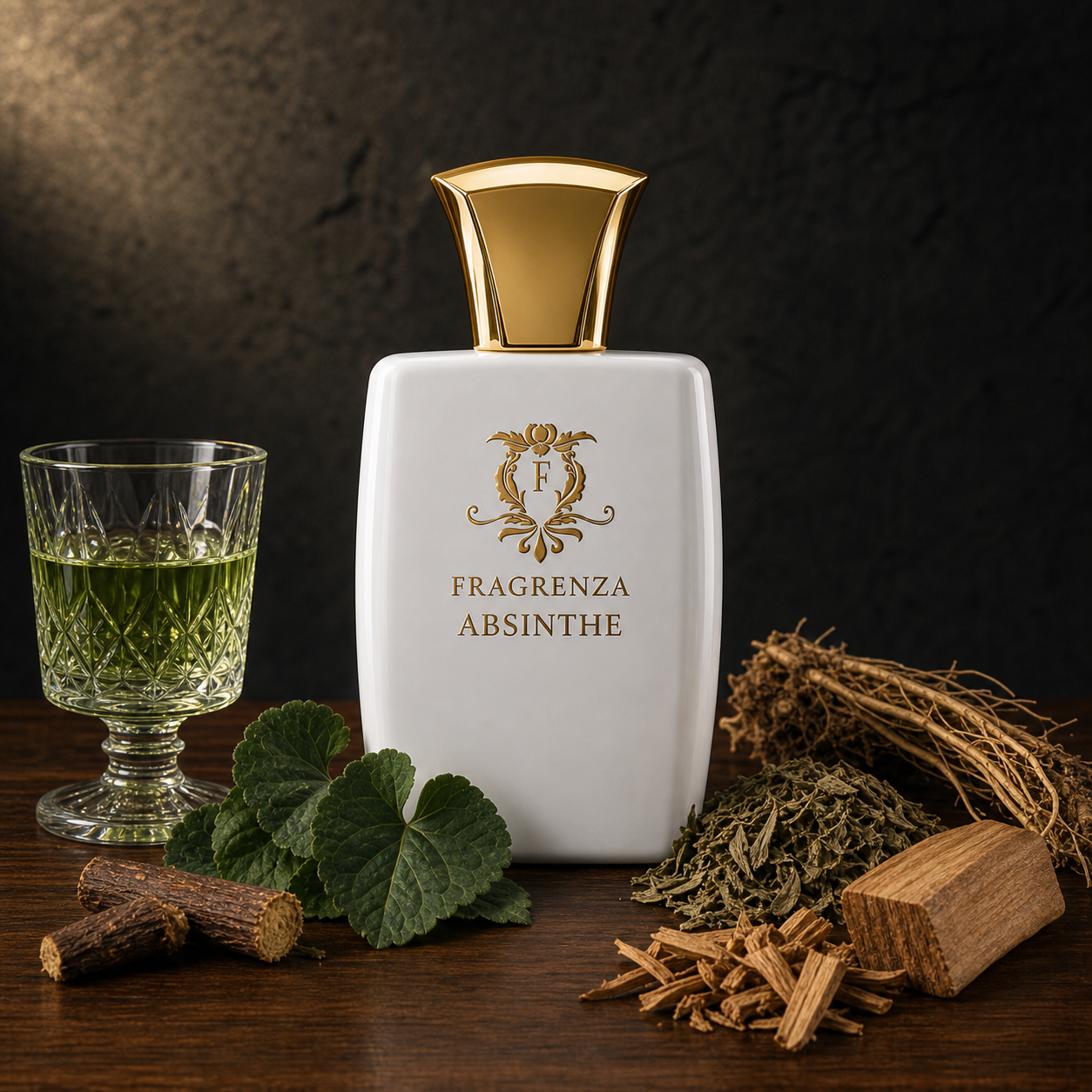
The Death of the Signature Scent: Why Everyone Is Building a Fragrance Wardrobe in 2026
Mood dressing, social media literacy, and Gulf travel exposure made the single-scent loyalty model collapse - what are you wearing today replaced what is your scent.
By Julia MorettiFragrenza makes several of the alternatives featured in our guides — here’s how we test.
5 min read
There was a time — not so long ago — when choosing a perfume was an act of singular devotion. You found your scent, you wore it every day, and over the years it became inseparable from your identity. Friends recognised you by it. Hotel pillows held its trace. It was, in the truest sense, a second skin. That era is over.
The Collapse of the One-Scent Identity
The signature scent model was always, to some degree, a marketing construct — a story sold by fragrance houses eager to build lifetime loyalty to a single bottle. For decades it worked brilliantly. But consumer behaviour in 2026 tells a markedly different story. According to recent industry data, the average fragrance buyer now owns between six and twelve bottles, and the number is rising. The question is no longer "what is your scent?" but rather "what are you wearing today?"
This shift did not happen overnight. It was the result of several converging forces — cultural, technological, and commercial — that fundamentally rewired our relationship with smell. Understanding those forces is the first step to building a fragrance wardrobe that feels intentional rather than impulsive.
How Social Media Changed Everything
The most visible catalyst has been social media, and specifically the explosion of fragrance content across TikTok and Instagram. Hashtags like #PerfumeTok have accumulated billions of views, exposing audiences to an extraordinary breadth of niche houses, rare ingredients, and radically different olfactive philosophies. What was once specialist knowledge — the difference between a chypre and a fougère, the effect of musks on skin chemistry, the geographical specificity of certain oud traditions — is now common currency among enthusiasts who learned it all from their phones.
This explosion of fragrance literacy made the single-signature model feel limiting. Once you know that a cool, marine-inflected aromatic smells extraordinary on a grey November morning but feels entirely wrong in August heat, it becomes impossible to pretend that one fragrance can serve every moment of your life. Knowledge breeds plurality.
Mood Dressing and the Fragrant Self
There is also the influence of fashion's own evolution. The concept of mood dressing — selecting clothes not according to occasion or convention but according to emotional state — has become firmly embedded in how younger consumers approach personal style. Fragrance has followed in lockstep. Today, wearing a dark, smoky leather on a Tuesday afternoon simply because you feel introspective is entirely normal. Switching to a luminous citrus the following morning because the sun is out requires no explanation. Scent has become one of the most immediate and intimate tools of emotional self-expression available to us.
Travel has played its role too. Exposure to different fragrance cultures — the incense-heavy traditions of the Middle East, the clean aquatics beloved in Japan, the animalic boldness still celebrated in certain European houses — has broadened the collective palate considerably. Travellers return home with bottles that do not fit any previous category in their experience, and those bottles accumulate. A wardrobe forms.
What a Well-Constructed Fragrance Wardrobe Actually Looks Like
The fragrance wardrobe, at its most considered, is not simply a shelf of bottles acquired at random. It is a curated collection built around the rhythms of your life. Most experienced collectors think in terms of three primary axes: time of day, season, and occasion.
A functional wardrobe might include a light, transparent day scent for professional environments — something in the eau de cologne or soft floral register that reads as polished without overwhelming a meeting room. It would also contain at least one evening fragrance with greater depth and longevity, something richer in base notes that earns its place after dark. Beyond these anchors, seasonal rotation adds range: a bright hesperidic or green composition for summer, something warmer and more resinous for winter, and transitional fragrances — vetiver, iris, tobacco — that bridge the hemispheres of the year with ease.
Occasion-based pieces complete the wardrobe. A fragrance for travel that feels transportive and uncomplicated. Something for physical activity that is clean and refreshing. Perhaps one genuinely statement piece — a fragrance that announces itself, that you reach for when the evening calls for theatre.
Building Without Overspending
The practical obstacle to wardrobe-building has always been cost. If each bottle demands a significant financial commitment, plurality becomes a luxury accessible only to the affluent. But this is precisely where the fragrance landscape has shifted most meaningfully. The growth of niche and accessible luxury brands has made it entirely possible to build a sophisticated, varied wardrobe without the expense of heritage house pricing. Fragrenza has built its entire philosophy around this idea — offering beautifully crafted, long-lasting alternatives to the most celebrated designer and niche fragrances at a fraction of the cost, making genuine wardrobe building achievable for anyone with the curiosity to pursue it.
The key is intentionality. Rather than acquiring indiscriminately, spend time identifying the gaps in your scent life. What moods do you have no fragrance for? What seasons go uncovered? What occasions find you reaching, dissatisfied, for the same bottle again? Those gaps are the map of your next purchases.
The Future Is Plural
The death of the signature scent is not a loss. It is an expansion — a recognition that we are complex, changeable, multifaceted beings who deserve a fragrance life rich enough to reflect that complexity. The wardrobe model is not about indulgence for its own sake. It is about the genuine pleasure of choosing the right scent for the right moment, and discovering, each time, that the right choice can make an ordinary day feel remarkably well-considered.
Discover at Fragrenza
If you're ready to start building your wardrobe in earnest, Fragrenza's samples pack is the most practical first step — a low-commitment way to audition a range of profiles before committing to full bottles. For an anchor evening scent,