

The Difference Between Designer and Niche Fragrances: What You Actually Need to Know
Designer fragrances reach department stores and airports; niche houses limit distribution to specialist boutiques, use higher-grade naturals and spend less on mass advertising.
By Julia MorettiFragrenza makes several of the alternatives featured in our guides — here’s how we test.
2 min read
Walk into any department store and you'll find rows of designer fragrances: Chanel, Dior, YSL, Giorgio Armani. Visit a specialist perfumery or browse online and you'll encounter something different — brands like Maison Margiela, Amouage, Byredo, Le Labo, Memo Paris. These are niche fragrances, and they occupy a different world from their designer counterparts. Here's what actually separates them.
Distribution: Where They're Sold
The most immediately obvious difference is where you can buy them. Designer fragrances are sold through mass-market channels: department stores, Boots, Superdrug, airport duty-free, supermarkets. They're available almost everywhere, which is by design — these are products marketed to the broadest possible audience.
Niche fragrances are sold through specialist boutiques, independent perfumeries, and the brands' own direct channels. Limited distribution is deliberate — it reinforces exclusivity, allows for better product presentation and staff education, and keeps the brand associated with a specific type of discerning customer.
Pricing: Why Niche Costs More
Niche fragrances are almost always more expensive than designer fragrances, often significantly so. A 100ml niche fragrance commonly retails between £150 and £400; some go far higher. There are several reasons:
- Raw material quality: Niche houses often use higher concentrations of natural ingredients — real oud, natural rose absolute, genuine ambergris-derived materials — that are dramatically more expensive than synthetic alternatives.
- Lower volume production: Smaller batch sizes mean higher per-unit costs.
- Less advertising spend: Niche brands typically spend far less on mass advertising, which means more of the price reflects the actual product rather than marketing overheads. But they also have less economies of scale.
- Prestige positioning: Premium pricing is part of the brand identity for many niche houses.
Creative Freedom: The Biggest Real Difference
The most meaningful difference between designer and niche is creative ambition. Designer fragrances are developed by committees with commercial success as the primary objective. They're tested extensively with consumer panels, tweaked for broadest possible appeal, and often reformulated to reduce costs. The result is frequently safe, pleasant, and commercially successful — but rarely adventurous.
Niche houses, freed from the pressure to appeal to everyone, can take creative risks. They can work with unusual or challenging materials, create compositions that are deliberately polarising, explore cultural or artistic concepts, and develop accords that have no precedent in mainstream perfumery. Some niche fragrances smell like nothing else in the world. That's the point.
Does Niche Always Mean Better?
No. The niche category has grown enormously in the last decade, and not everything sold at niche prices deserves a niche price. There are overhyped, mediocre niche fragrances just as there are genuinely extraordinary designer fragrances. Price and exclusivity are not reliable proxies for quality.
The best approach is to evaluate each fragrance on its own merits: how does it smell, how does it develop, how does it last, and how does it make you feel wearing it?
Niche-Inspired Fragrance: The Middle Path
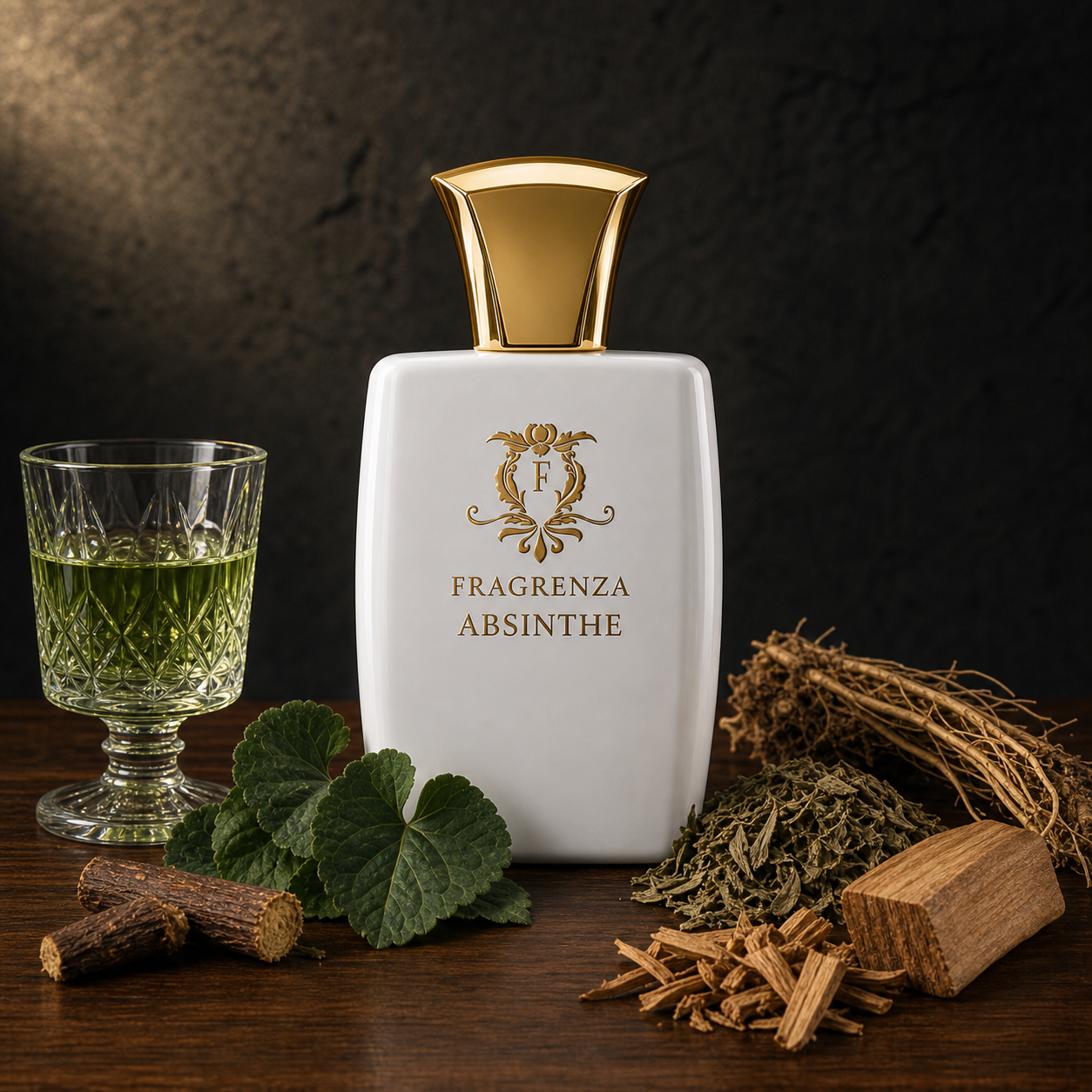
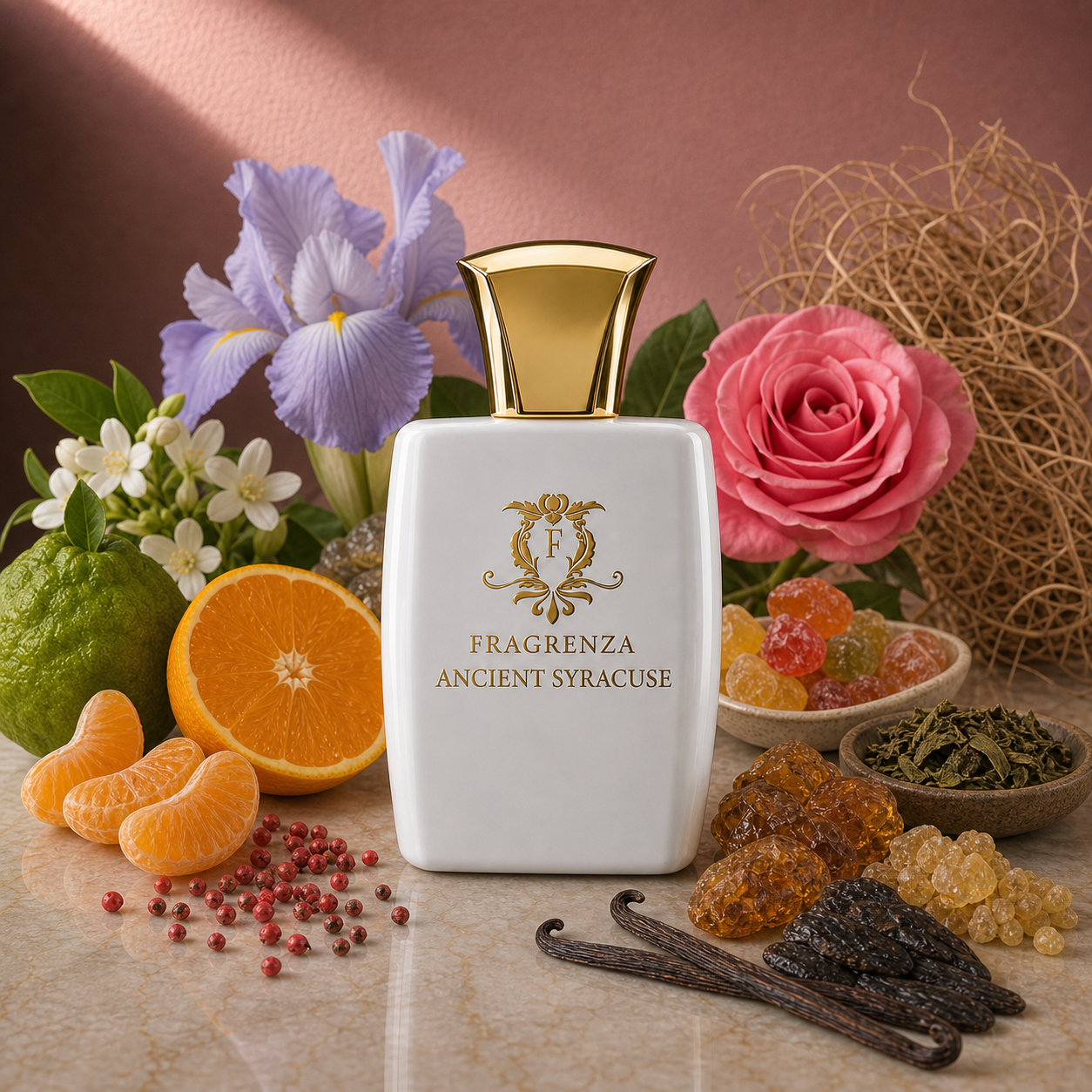
There's another option that's grown significantly in popularity: niche-inspired fragrances that capture the creative character of niche perfumery at accessible prices. This is exactly what Fragrenza does. Our niche-inspired collection draws on the same ingredients and creative traditions as the niche world, delivered at prices that make wearing complex, interesting fragrances genuinely accessible.
Explore the creative side of fragrance without the eye-watering price tags. Browse our niche fragrances collection and discover what's possible.