

What Are Fragrance Dupes? Everything You Need to Know in 2026
A quality dupe matches the lead notes and base structure of a luxury original rather than its protected formula, delivering most of the wear experience at sustainable prices.
By Julia MorettiFragrenza makes several of the alternatives featured in our guides — here’s how we test.
4 min read
The Basic Definition
A fragrance dupe is an affordable composition that captures the emotional experience of an expensive original at a fraction of the price. The word "dupe" — short for "duplicate" — has been borrowed from the beauty and fashion industries, where it refers to lower-priced versions of luxury products that deliver most of the experience without the premium price tag.
In fragrance specifically, a dupe is built around the same architectural family as a luxury original: similar lead notes, comparable structural choices, parallel base materials. A dupe does not (and legally cannot) use the protected brand-name formulation of the original — it captures the emotional family rather than copying the specific molecular composition. The result is a fragrance that delivers most of the wear experience of an iconic luxury fragrance at sustainable prices.
Why People Buy Dupes
Three main reasons. First, the cost of luxury fragrance has reached a price point where daily wear of a luxury original is genuinely expensive — £80 to £300+ for a standard bottle, with annual costs for regular wearers easily exceeding £1,000. Quality dupes deliver most of the experience at one-third to one-fifth of the price.
Second, the wear experience itself has become more important than the brand prestige. Modern fragrance wearers care about how a composition smells on skin, how it projects, how it lasts, and how it interacts with their personal chemistry. The brand name on the bottle matters less than it did a decade ago. Quality dupes optimise for the wear experience.
Third, wardrobe rotation has become a more common pattern. Serious fragrance wearers rotate across multiple compositions through the week and the seasons. Building a five- or six-bottle rotation entirely from luxury originals is prohibitively expensive for most people; building it from quality dupes is achievable.
Quality Dupes vs Cheap Knockoffs
The single most important distinction in the fragrance dupe category is between quality dupes and cheap knockoffs. They are not the same thing and they deliver very different experiences.
Quality dupes use real perfumery materials — natural absolutes, high-end synthetics, properly balanced ratios across the full composition. They preserve the architectural transitions of the original (opening, heart, base sequence). They match the original's longevity. They project meaningfully through the full wear arc.
Cheap knockoffs substitute thin alcohol-and-fragrance-oil mixes for the real composition. They smell vaguely like the target in the first ten minutes and then collapse. They fade within two hours. They are sold at impulse-buy prices because they cost almost nothing to produce.
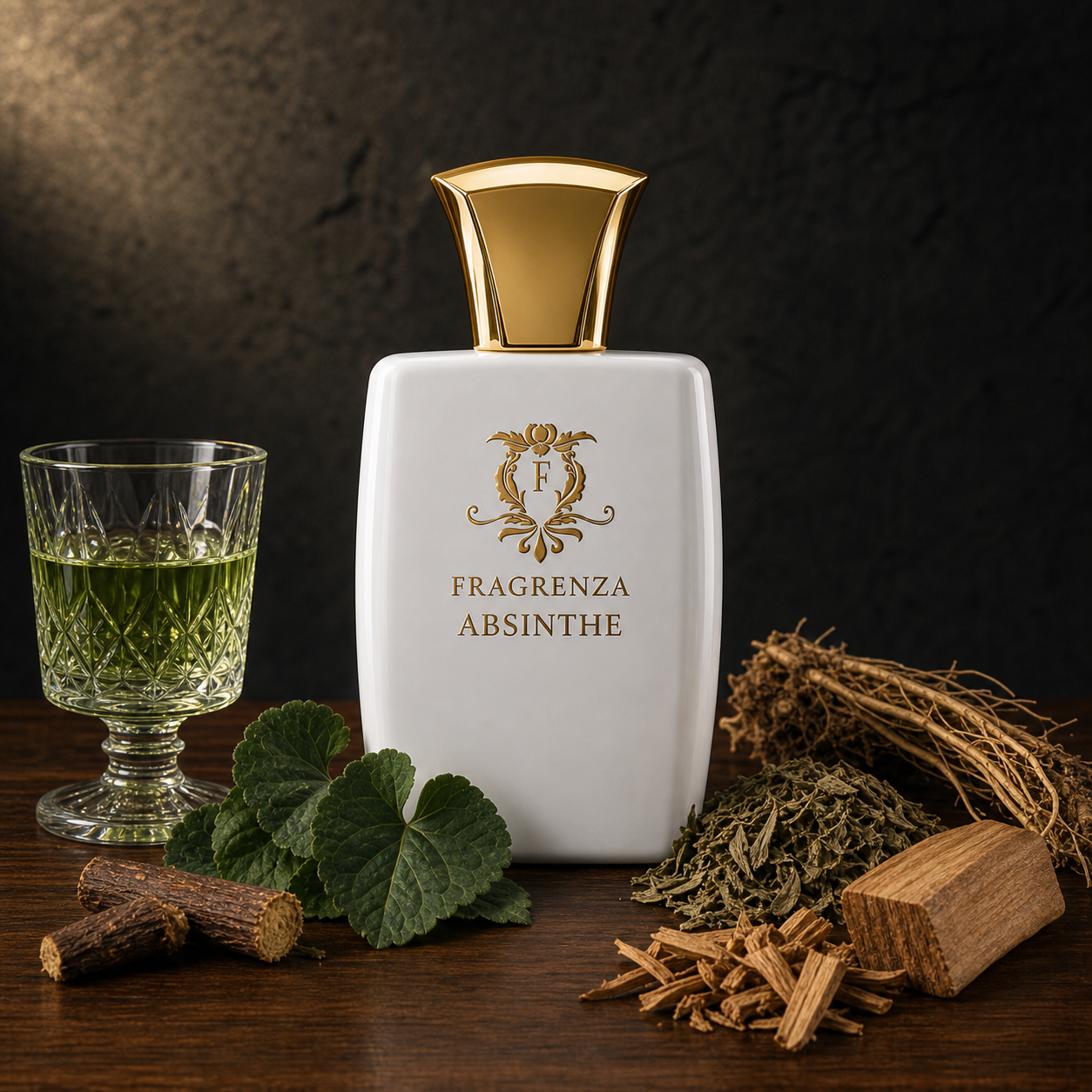
The Fragrenza approach belongs firmly in the quality-dupes tier. The compositions use real perfumery materials, the architectural transitions are preserved, the longevity matches the originals, and the cross-cluster anchor picks (Sensual Flame, Melipona, Vanilla Delight, Oucaramel, Ice Musk, Felce Marina) are designed to wear with the same confidence as luxury compositions.
How Quality Dupes Are Made
The fragrance industry uses two main approaches to dupe creation.
Reverse-engineering. Some dupe houses use gas chromatography and mass spectrometry to identify the molecular components of a luxury original and then attempt to recreate the formula at lower cost. This approach can produce very faithful reproductions, but it is slow, expensive, and tends to optimise for similarity rather than wearability.
Architectural composition. Other dupe houses (Fragrenza among them) work backwards from the emotional experience of the original. They identify the architectural family the original belongs to — dewy-rose, smoky-oud, savory-gourmand, fresh-aromatic-masculine, etc. — and then compose new fragrances that occupy the same emotional register. This approach optimises for wearability and architectural fidelity rather than note-for-note copying.
The architectural-composition approach is what makes the Fragrenza catalog feel like a coherent line rather than a collection of individual copies. The cross-cluster anchor picks knit the catalog together — the same Sensual Flame works as the closest analog to Alien, the white-floral companion to Coco Mademoiselle, the rose-led cousin to Delina, and so on.
How to Start with Dupes
The recommended starter approach is three steps.
Step 1: identify your home territory. Pick the luxury fragrances you already love or have admired in others. Identify which architectural family they belong to — fresh-masculine, rose-feminine, vanilla-gourmand, oud-masculine, etc. The Fragrenza brand-dupe articles each cover an architectural family in detail.
Step 2: sample widely. The Fragrenza sample programme allows ordering small testers of multiple compositions. Pick three to five compositions from your home architectural family and test on actual skin in real wear contexts.
Step 3: commit and rotate. The compositions that still feel right at hour 8 are your wardrobe candidates. Commit to two or three full bottles across the architectural family and rotate based on occasion, season, and mood.
Frequently Asked Questions
Are fragrance dupes legal?
Yes. Trademark law protects brand names and logos, not underlying compositions. Quality dupe houses operate fully within applicable law.
Will a dupe last as long as the original?
Quality dupes hit comparable longevity to their luxury originals. Cheap knockoffs do not.
Will people notice I am wearing a dupe?
In most contexts, no. Even fragrance enthusiasts struggle to identify specific compositions from a distance.
How much can I save?
For wearers who use one bottle of luxury fragrance per month, switching to quality dupes saves £2,500 to £5,000 per year.
Are dupes the same quality as the originals?
Quality dupes are close, not identical. The luxury tier still has some advantages in specific natural-material quality, but the gap is much smaller than the price difference suggests.
How do I sample before buying?
The Fragrenza sample programme is the most reliable way to test compositions on actual skin before committing to full bottles.
The Bottom Line
Fragrance dupes in 2026 are a genuinely mature category. Quality dupes use real perfumery materials, preserve architectural transitions, match the originals' longevity, and deliver most of the emotional experience at sustainable prices. The Fragrenza architectural-family approach makes dupe-based wardrobes coherent rather than a collection of individual copies. Pick your home territory, sample widely, commit to compositions that work on your skin, and rotate across the wardrobe.