
Why Does Perfume Smell Different in the Bottle vs On Skin?
Inside the bottle all the notes play at once; on skin alcohol evaporates within seconds and your pH, body heat and natural oils rewrite the formula into something only you wear.
By Julia MorettiFragrenza makes several of the alternatives featured in our guides — here’s how we test.
2 min read
You smell a fragrance in the bottle — it's warm, rich, inviting. You spray it on your wrist, wait a few minutes, and something feels different. Sometimes better, sometimes confusingly different. This is one of the most common experiences in fragrance, and understanding why it happens will make you a far more confident shopper.
The Chemistry of the Bottle
Inside the bottle, all the fragrance components — top notes, heart notes, base notes — are present simultaneously, dissolved in alcohol. When you smell the bottle (or a freshly sprayed blotter), you're getting a compressed, immediate impression of the whole formula at once, with nothing evaporated away and nothing interacting with skin chemistry.
It's a bit like hearing all the instruments in an orchestra play their parts at the same time rather than in sequence. You get a general sense of the character, but not the full, unfolding experience.
What Happens When You Spray On Skin
The moment fragrance hits your skin, several things begin happening at once:
- Evaporation begins immediately. The alcohol carrier evaporates within seconds, taking the most volatile top notes with it. This is why the opening of a fragrance on skin often smells lighter and fresher than the bottle impression.
- Skin warmth activates the formula. Your body heat warms the fragrance molecules, helping them volatilise and project. This is why fragrance smells more intense on warm skin and why pulse points are ideal application areas.
- Skin chemistry alters the composition. Your skin's pH, natural oils, and unique chemistry interact with the fragrance molecules. Some notes are amplified; others are muted. The result is a personalised version of the fragrance that is genuinely unique to you.
The Dry-Down: Where the Real Character Emerges
As the top notes evaporate (typically within 15–30 minutes), the heart notes emerge — and this is where a fragrance truly reveals itself. The heart is the core character, what the perfumer most wants you to experience.
Then, over hours, the base notes gradually take over: the deep, warm, heavy molecules that last longest and often create that intimate skin-scent quality. The dry-down of a fragrance on warm skin can smell dramatically different from the bottle — sometimes more complex, sometimes simpler, usually more personal.
Practical Examples
Consider a fragrance like
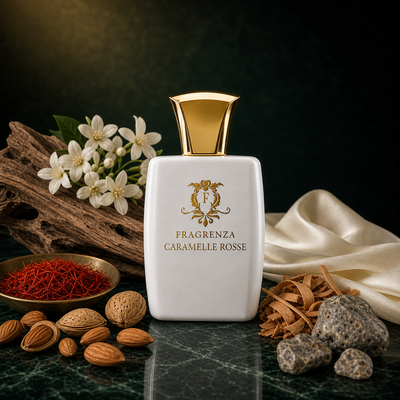
Or take Selvaggio — fresh and bergamot-bright from the bottle, but on skin, the lavender and pepper heart emerges with far more warmth and presence, and the woody ambroxan base gives it that distinctive, lasting character that bottle-sniffing simply doesn't reveal.
Why This Matters for Buying Decisions
Never decide to buy — or reject — a fragrance based on the bottle alone. Even a blotter gives an incomplete picture. The only reliable test is skin: spray it on your wrist, give it 30–60 minutes, and smell it through its evolution. What you smell at the 60-minute mark is arguably more important than the opening.
This is why samples exist, and why we offer them. Wearing a fragrance through its full development on your own skin is the only way to truly know if it's right for you.
Try before you commit. Our Fragrenza Sample Pack lets you test our most-loved fragrances on your skin over multiple days — then browse our full best-sellers collection when you're ready to choose.