

-

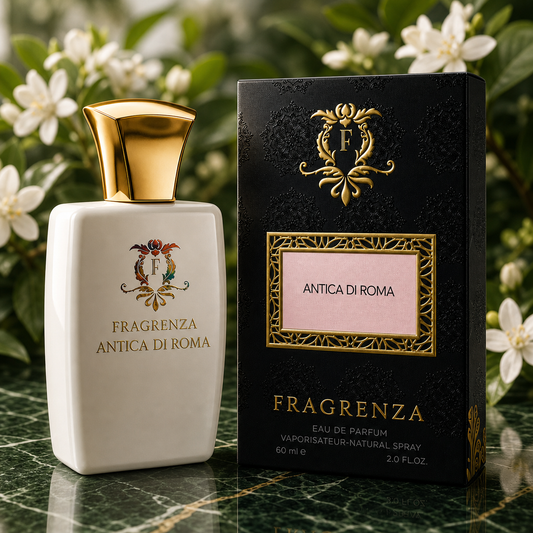 SaleAntica di Roma Antica di RomaSale
 -
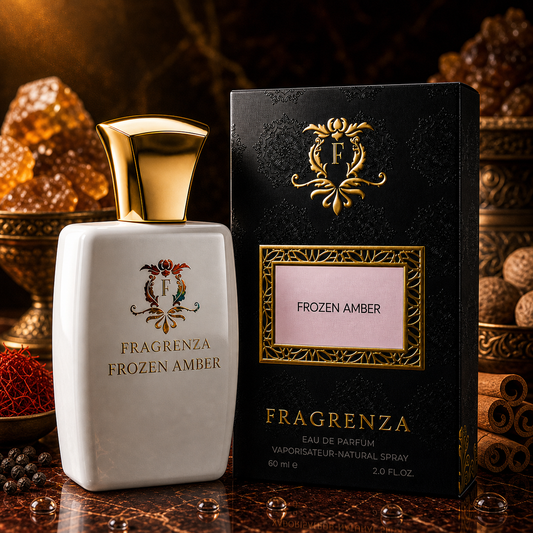
Frozen Amber Frozen AmberVendor:Regular price From $9.99Regular price
$200.00Sale price From $9.99Sale -
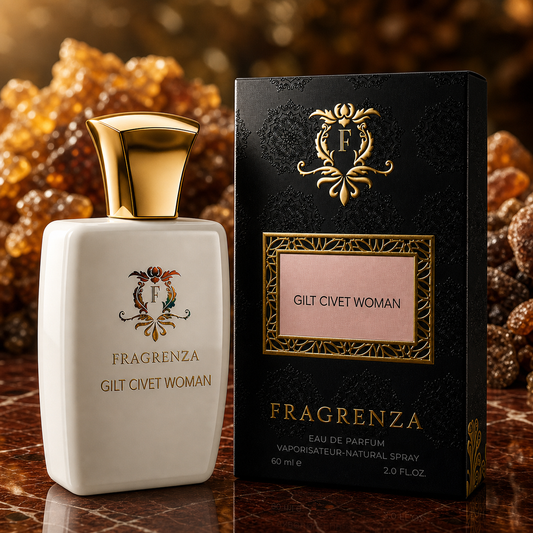
Gilt Civet Woman Gilt Civet WomanVendor:Inspired by Amouage Gold WomanRegular price From $9.99Regular price
$360.00Sale price From $9.99Sale -
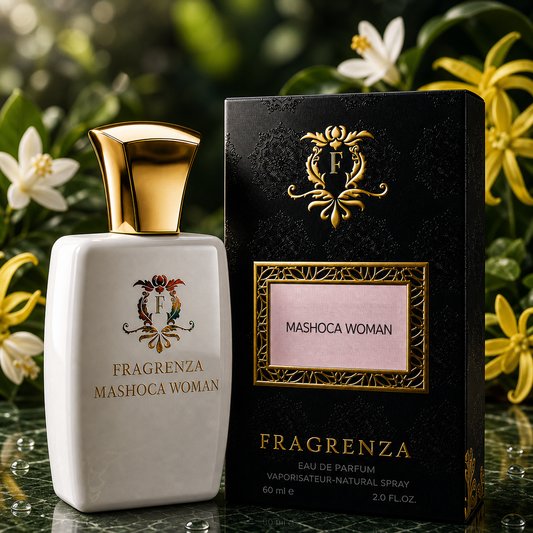
Mashoca Woman Mashoca WomanVendor:Inspired by Amouage Imitation WomanRegular price From $9.99Regular price
$360.00Sale price From $9.99Sale -
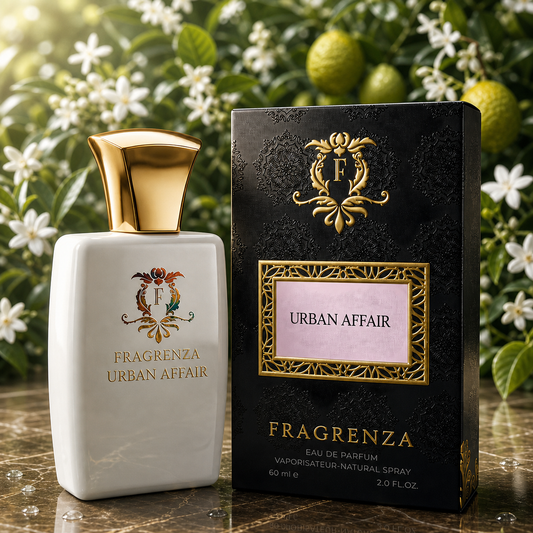
Urban Affair Urban AffairSold out





About Aldehydes Fragrances
Aldehydes occupy one of the most storied chapters in fragrance history. These organic compounds — found naturally in small quantities in many plant and animal materials — were first harnessed synthetically in perfumery in the early twentieth century, and their impact was seismic. Aliphatic aldehydes (particularly C-10 decyl aldehyde, C-11 undecylenic aldehyde, and C-12 lauryl aldehyde) were used at unprecedented concentrations to create the first truly modernist fragrance accords: soapy, waxy, metallic, and diffusive in ways that no natural ingredient could match. The result, most famously, was Chanel No. 5 in 1921.
On the skin, aldehydes behave like a magnifying glass for a composition — they lift other notes, add a luminous soapy radiance, and create a silvery, almost fizzing presence that is unmistakable and utterly distinctive. Each chain length brings its own facet: citrus-fresh, waxy-soapy, fatty-rose, or clean-powdery. Perfumers use them to give classical florals their legendary diffusion and projection, to create that quintessentially glamorous sillage that fills a room without being heavy, and to add a particular mid-century sophistication that modern synthetics rarely replicate.
The aldehyde family remains one of perfumery's most defining and debated ingredients — hated by some for its soapiness, adored by others for its unparalleled elegance. At Fragrenza, our inspired-by collection honours the great aldehychic perfume tradition, offering you beautifully crafted interpretations of the world's most celebrated aldehyde-forward fragrances at a fraction of the price of the originals.
Other Collections
Amber Fragrances

From this collection: Plum Oud — Plum Japonais by Tom Ford alternative
Explore our collection of amber fragrances. Shop amber perfumes and discover captivating scents.
Bergamot Fragrances

From this collection: Limone e Vaniglia — Lira by Xerjoff alternative
Explore our collection of bergamot fragrances. Shop bergamot perfumes and discover captivating scents.
Chanel Fragrances

From this collection: Divino — Bleu de Chanel by Chanel alternative
Explore our collection of chanel fragrances. Shop chanel perfumes and discover captivating scents.
Iris Fragrances

From this collection: Cherryum
Explore our collection of iris fragrances. Shop iris perfumes and discover captivating scents.
Jasmine Fragrances

From this collection: Signorina Miele — Miss Dior Chérie by Dior alternative
Explore our collection of jasmine fragrances. Shop jasmine perfumes and discover captivating scents.
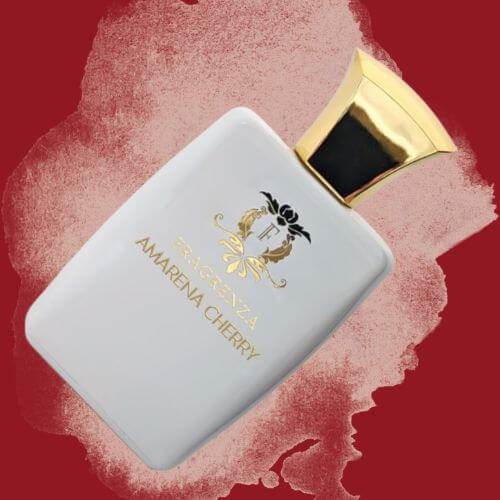
Amarena Cherry
Obsessed with cherry? If you want to really amp up the cherry scent, this Tom Ford Lost Cherry dupe will give Lost Cherry a run for its money. Black cherry, cherry syrup, and cherry liqueur all mingle together for an indulgent cherry overdose that’s complemented by notes of almond, tonka bean, Turkish rose, and jasmine sambac.
Natural And Synthetic, Popular And Weird
-
Our best sellers.
-
Adeline PDM Delina dupe Better Peach Tom Ford Bitter Peach dupe Chloris Gardenia Gucci Flora Gorgeous Gardenia dupe Fearless Love Kilian's Love, Don't Be Shy dupe Selvaggio Dior's Sauvage dupe Addict Noir YSL's Black Opium dupe Empress D&G's L'Imperatrice dupe Divino Bleu de Chanel dupe Lo amo J’Adore Dior dupe Pretty Girl Carolina Herrera's Good Girl dupe
-
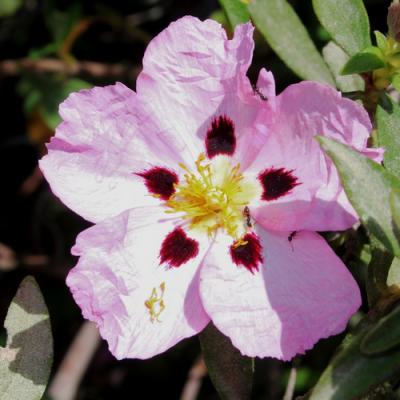
What Does Labdanum Smell Like?
Discover labdanum in perfumery — its warm, animalic, balsamic scent, history from ancient Mediterranean ritual to modern ambers, and its role in iconic fragrances.
-

What Does Patchouli Smell Like?
Patchouli smells like rich, dark earth — wet woods, chocolate, and aged leather. What it really smells like, why it’s linked to weed, and how to wear it.
-
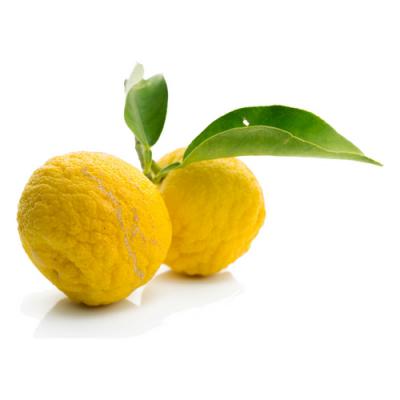
What Does Yuzu Smell Like?
What does yuzu smell like in perfumery? Explore this Japanese citrus note — its tart, floral-citrus scent, key aroma compounds, and how it elevates contemporary fragrance design.
-
What Does Amber Smell Like?
Discover what amber truly smells like in perfumery — from rare ambergris washed ashore to modern synthetics — and why it makes every fragrance warmer.

