

Scent and Sleep: The Effects of Fragrances on Sleep Quality
Sleep - an essential part of our daily routine, yet a challenging state to achieve for many
By Julia MorettiFragrenza makes several of the alternatives featured in our guides — here’s how we test.
13 min read
Sleep - an essential part of our daily routine, yet a challenging state to achieve for many. Modern-day stressors, anxiety, and insomnia disrupt our natural sleep patterns, leading to an exhaustive cycle of restlessness. Have you ever considered that the solution to a good night's sleep might be hiding in your perfume cabinet? Let's dive into the world of aromatherapy and discover how fragrances can influence sleep quality.
The Science of Scent
Our sense of smell, or olfaction, is directly linked to the brain's limbic system, which is responsible for memory, mood, and emotion. When we inhale a fragrance, the odor molecules stimulate our olfactory receptors, sending signals to our brain that can elicit various emotional and physiological responses.
The Power of Aromatherapy
Aromatherapy, a holistic healing treatment using natural plant extracts, has been practiced for centuries. Essential oils, the lifeblood of plants, are used in aromatherapy for their therapeutic properties. Certain fragrances have been found to promote relaxation and improve sleep quality.
Fragrances that Promote Sleep
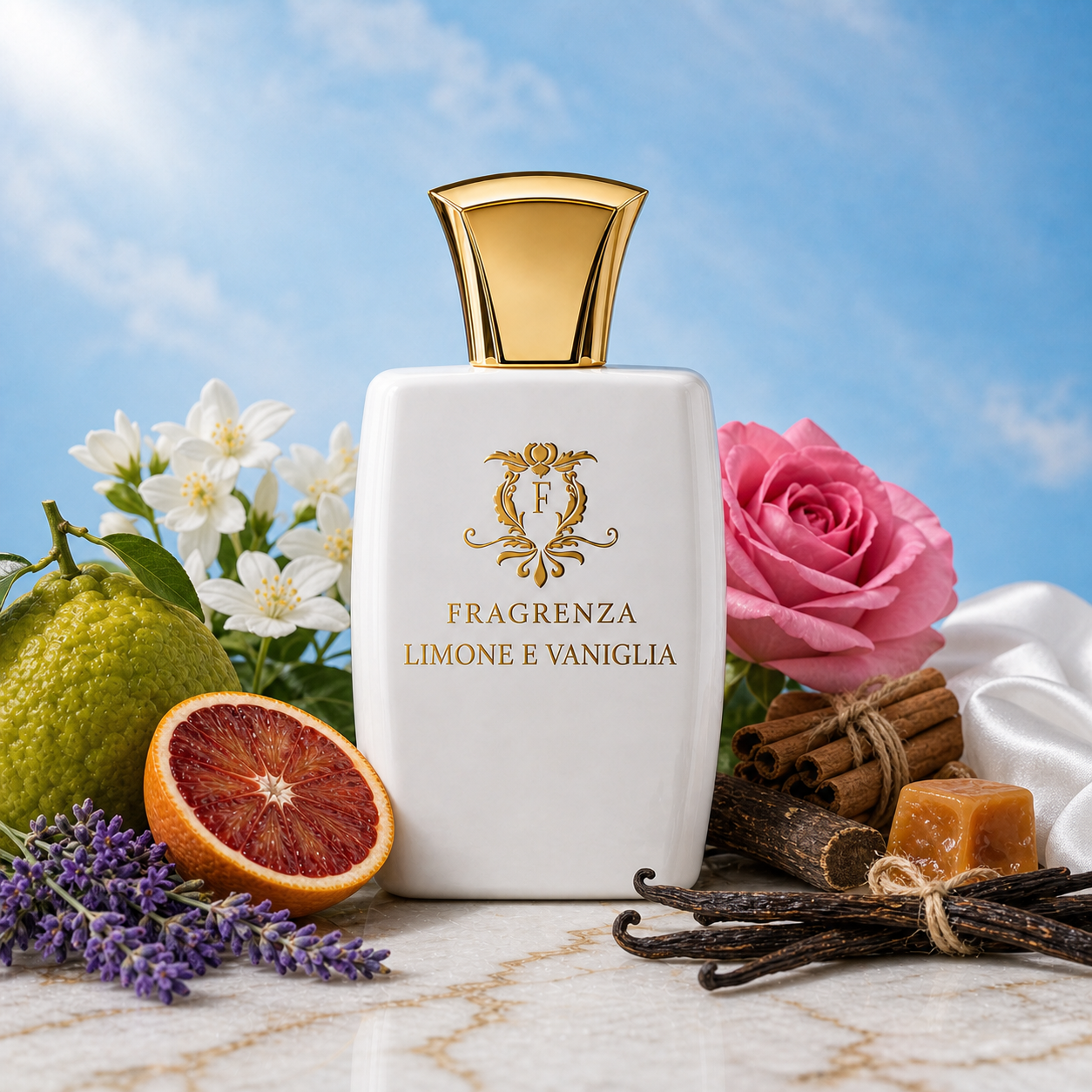
Lavender is one of the most recognized scents associated with sleep and relaxation. Multiple studies have confirmed its sedative properties, reducing heart rate and blood pressure, inducing relaxation, and promoting deep sleep. A study published in the Journal of Biological and Medical Rhythm Research found that lavender increased the percentage of deep or slow-wave sleep in both men and women.
Known for its sweet, cozy aroma, vanilla is another scent that promotes relaxation and sleep. A study conducted by the Tubingen University in Germany found that vanilla fragrance reduced the startle reflex, one of the body's automatic responses to sudden or threatening stimuli, suggesting a calming effect.
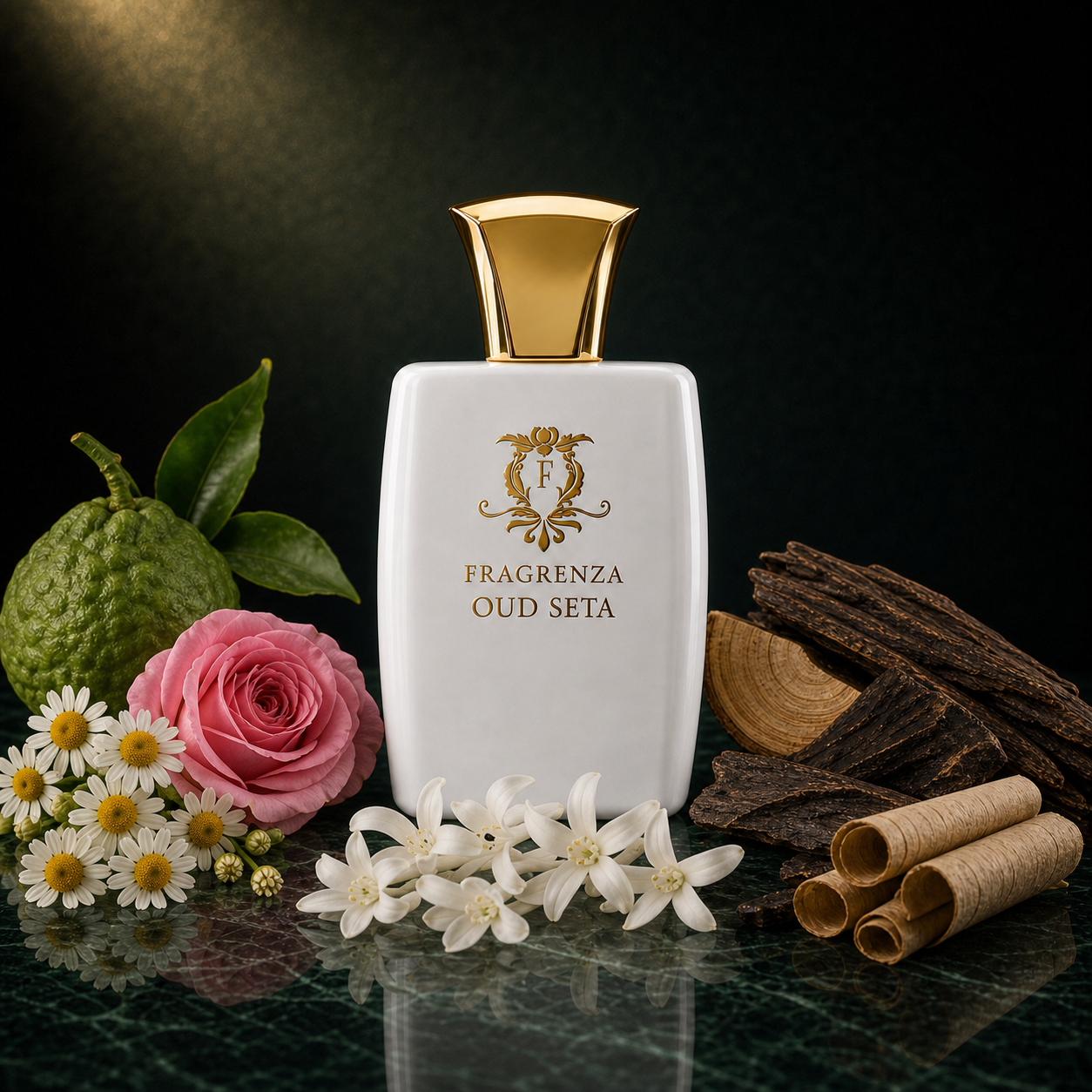
ChamomileChamomile, with its light, floral scent, is not only popular as a sleep-inducing tea but also works wonders in fragrances. It has a calming effect on the mind and body, promoting restful sleep.
Bergamot, a citrus fruit, may seem like an unusual sleep promoter, but its oil possesses a unique calming effect. Its bright, invigorating scent has a surprising ability to relax and alleviate stress, promoting peaceful sleep.
Incorporating Fragrance into Your Bedtime Routine
There are multiple ways to introduce sleep-promoting fragrances into your nightly routine. Scented candles or diffusers can fill your bedroom with a soothing aroma. Essential oils can be used in a bedtime bath or applied to the skin before sleep (always dilute essential oils before skin application). Additionally, certain perfumes and pillow sprays have been specifically formulated with sleep-inducing scents.
To conclude, scents play a significant role in our sleeping patterns. They can help create an atmosphere conducive to relaxation and sleep, making it easier to unwind at the end of the day. However, everyone responds to scents differently, so it's important to find what works best for you. And remember, while fragrances can aid in promoting sleep, they should be used in conjunction with good sleep hygiene practices for the best results.
The Research Behind Scent and Sleep
The relationship between fragrance and sleep has been studied scientifically for several decades, with the strongest evidence supporting lavender's sleep-promoting effect. A 2005 study by Goel et al. found that lavender oil exposure during sleep increased the percentage of slow-wave (deep) sleep in healthy adults. Follow-up research has reinforced this finding across multiple populations including elderly patients, hospitalized individuals, and university students under exam stress.
Beyond lavender, research has documented sleep-supporting effects for several other aromatic materials. Bergamot reduces self-reported stress and improves sleep quality in clinical populations. Chamomile (Roman and German varieties) has anxiolytic effects that translate to easier sleep onset. Cedarwood contains cedrol, which has been shown to reduce sympathetic nervous system activity. Sandalwood and ylang-ylang have similar calming profiles.
The mechanisms aren't fully understood but appear to involve olfactory receptor activation that triggers parasympathetic nervous system responses. Translation: certain aromatic molecules signal the brain to shift from alert/active state to rest/digest state, which facilitates sleep onset.
What This Means for Perfume Wearers
Many commercial perfumes contain calming materials but in combinations and concentrations that may not deliver the sleep-supporting effect of pure essential oils. A perfume containing 0.5% lavender absolute as one note among 30 materials will not have the same effect as direct inhalation of 100% lavender oil.
This is why wearers seeking sleep benefit from scent typically use one of three approaches:
Bedside aromatherapy diffusion — a small ultrasonic diffuser with 5-10 drops of pure essential oil (lavender, bergamot, or specific sleep blends). Most effective evidence-based approach.
Pillow application of pure essential oil — 1-2 drops of pure oil on a small fabric square placed under the pillow. Effective and inexpensive.
Calming perfumes worn to bed — full-coverage application of a sleep-appropriate perfume composition. Less evidence-based but pleasant. Examples: Aerin Lilac Path, certain Diptyque Lavande compositions, traditional Yardley Lavender colognes.
Compositions That Specifically Suit Bedtime
For wearers who want a perfume that functions as a wear-to-bed scent, the criteria are: calming primary materials, low projection (you don't want sillage waking your partner), and gentle enough character that it doesn't shift your mood toward alert.
Lavender-forward compositions are the most evidence-aligned. Yardley English Lavender, Caron Pour Un Homme (despite the masculine framing, it's a lavender-vanilla composition both genders wear), Penhaligon's Lavandula. For more modern interpretations: Frederic Malle Geranium Pour Monsieur, Hermès Brin de Réglisse.
Soft-vanilla compositions match the "comforting" register without the energizing effect of citrus or fresh aquatics. Examples: Body Shop Vanilla Bliss, Tom Ford Soleil Blanc (despite being a tropical composition, the vanilla heart suits evening application), MFK Grand Soir.
Soft-musk compositions read intimate-skin and match bedtime intimacy register. Examples: Annick Goutal Musc Nomade, Narciso Rodriguez Musc Noir, Maison Margiela Replica Whispers in the Library.
What to avoid for bedtime wear: heavy citrus (energizing), aggressive florals (overwhelming in sleep environment), strong gourmands (may cause appetite stimulation), anything ambroxan-heavy (the radiance amplification may keep you alert).
The Pillow Spray Category
Dedicated pillow sprays exist as a specific product category, distinct from perfumes you wear on skin. These typically combine calming essential oils with light alcohol carrier in concentrations designed for fabric application. Notable references: This Works Deep Sleep Pillow Spray (the category-defining product), Aromatherapy Associates Deep Relax, Earl of East Wabi-Sabi, various brand-specific options.
Pillow sprays differ from perfumes in formulation: lower fragrance concentration (3-5% vs 15-25%), often lower alcohol content (less drying to skin), and a specific formula intended to release scent gradually as you move on the pillow throughout the night. They're also significantly less expensive than perfumes — typically $20-40 for 100-150ml bottles.
For wearers experimenting with sleep-scent before committing to full-bottle pure essential oils or perfumes, pillow spray is the lowest-friction entry point.
What the Science Doesn't Say
The research on scent and sleep, while real, has limitations worth understanding. Most studies use specific essential oils at specific concentrations in controlled lab environments. The effect sizes are modest — typically 10-25% improvements on various sleep metrics, not dramatic transformations. Individual variation is substantial; some people respond strongly to lavender while others show no measurable change.
Scent-based sleep aids work best as one component of good sleep hygiene rather than a primary solution. Cool room temperature (60-67°F), dark environment, consistent sleep schedule, limited screen exposure before bed, and stress management all contribute more to sleep quality than any aromatic intervention.
The strongest practical application: use scent-based interventions as a sleep-routine cue. The brain associates specific scents with specific contexts. If you consistently use lavender-scented pillow spray before sleep, that scent becomes a conditioned signal to your nervous system that sleep is coming. The conditioning effect compounds with whatever direct physiological effect the materials may have.
The Wellness-Adjacent Fragrance Movement
Over the past five years, the perfumery industry has developed an entire wellness-adjacent product category — compositions designed and marketed specifically for emotional or physiological effects rather than pure aesthetic experience. Brands like Skylar, Phlur, Henry Rose, Heretic, and various others have positioned themselves at this intersection.
These compositions tend to use evidence-based aromatic materials (lavender, bergamot, sandalwood) in higher concentrations than mainstream perfumery, often with cleaner ingredient lists (no synthetic musks, parabens, or potentially-sensitizing materials). They're not radically different from traditional perfumery, but they emphasize the functional aspect alongside the aesthetic experience.
For wearers exploring the wellness-fragrance intersection, this category bridges between traditional aromatherapy products (essential oil-based) and conventional perfumes (fashion-aesthetic-focused).
Internal Cross-References
For broader context on how fragrance interacts with daily life, see our article on weather's effect on fragrance behavior. For specific reviewed compositions in calming/intimate registers, our six-week reviewer tests cover several relevant references including soft-vanilla, soft-musk, and refined-floral compositions suitable for evening wear.
The Specific Olfactory Materials Most Associated With Sleep Quality Benefits
The broader research on fragrance and sleep quality continues to develop across multiple specific aromatic materials that contemporary clinical and academic research has examined. Lavender (Lavandula angustifolia) is the most extensively researched fragrance material for sleep quality applications, with substantial published research examining the broader linalool and linalyl acetate components that the broader lavender essential oil contains. Chamomile (Matricaria recutita) provides additional aromatic-sedative properties that complement lavender in sleep-quality applications. Vetiver (Chrysopogon zizanioides), sandalwood (Santalum album), and various other woody-grounding materials have been examined for their broader meditative-grounding properties that support sleep-onset and sleep-quality contexts.
The broader research framework distinguishes between materials that support sleep-onset (the broader transition from wakefulness to sleep) versus materials that support sleep-quality (the broader sleep-architecture maintenance across sleep cycles) versus materials that support waking-rest (the broader pre-sleep relaxation contexts). Different aromatic materials function differently across these three specific contexts, with the broader practical application typically combining multiple aromatic materials targeting specific sleep-quality dimensions rather than relying on single-material approaches.
The Application Approaches for Sleep-Quality Fragrance Use
The broader practical approaches for sleep-quality fragrance application include multiple specific methods that contemporary aromatherapy practice has developed. Pillow-mist application provides direct olfactory exposure during sleep, with the broader pillow-mist approach allowing controlled application without skin contact that some sensitive consumers prefer to avoid during sleep contexts. Diffuser application provides ambient aromatic exposure across the broader sleep environment, with the broader diffuser approach supporting longer-duration aromatic exposure across extended sleep periods.
Skin application of properly-diluted essential oils provides direct individual aromatic exposure, with the broader skin-application approach allowing more concentrated aromatic exposure for individual consumers who specifically tolerate skin application of essential oils. The broader practical recommendation typically combines pillow-mist or diffuser ambient application with the broader bedroom-environment optimisation (cool temperature, dark lighting, electronic device removal) that supports the broader sleep-quality framework that aromatic application complements rather than replaces.
The Specific Compositions Designed for Sleep-Quality Applications
The broader contemporary fragrance market includes substantial diversity across specific compositions specifically designed for sleep-quality applications. Various lavender-anchored compositions across multiple price tiers target the broader sleep-quality category, with brands ranging from accessible-price aromatherapy-focused brands through luxury-niche compositions that interpret the broader sleep-quality aesthetic at substantial luxury price points. The broader category includes substantial diversity across multiple specific architectural positions, with individual compositions occupying slightly different positions within the broader sleep-quality framework.
For wearers building wardrobes that include sleep-quality compositions, the practical approach typically involves treating sleep-quality compositions as functional-aromatic tools rather than purely aesthetic compositions, with the broader application context (bedroom environment, pre-sleep routine) substantially affecting how the broader sleep-quality compositions deliver their intended emotional-physiological benefits.
The Broader Sleep-Hygiene Framework That Aromatic Application Complements
The broader sleep-hygiene framework that contemporary sleep research has established provides essential context for how aromatic application functions within the broader sleep-quality optimisation. The broader sleep-hygiene framework includes consistent sleep-schedule maintenance, bedroom-environment optimisation, electronic device management before sleep, caffeine and alcohol management throughout the day, regular physical exercise, stress management practices, and various other lifestyle factors that collectively define the broader sleep-quality framework. Aromatic application functions as one component within this broader framework rather than as a stand-alone sleep-quality intervention.
The practical implication is that consumers exploring sleep-quality aromatic applications should typically integrate aromatic approaches within the broader sleep-hygiene framework rather than treating aromatic approaches as substitutes for the broader sleep-hygiene practices. The combination of broader sleep-hygiene practice with selective aromatic application produces sleep-quality outcomes that exceed what aromatic application alone can deliver, with the broader integrated approach providing more sustainable long-term sleep-quality optimisation.
The Individual Variation in Aromatic Sleep-Quality Response
The broader research on aromatic sleep-quality applications consistently identifies substantial individual variation in how specific consumers respond to specific aromatic materials. Some consumers respond particularly favourably to lavender-anchored compositions, while other consumers find that adjacent aromatic materials (chamomile, vetiver, sandalwood, and various other materials) produce stronger sleep-quality responses. The individual variation reflects partly genetic factors that affect olfactory perception, partly cultural-experiential factors that affect aromatic associations, and partly physiological factors that affect how specific aromatic materials interact with individual neural-chemical sleep systems.
The practical implication is that consumers exploring sleep-quality aromatic applications should typically experiment with multiple specific aromatic materials and compositions to identify which broader aromatic profile best supports their individual sleep-quality response. The broader systematic experimentation approach typically produces more reliable sleep-quality outcomes than commitment to any single aromatic material based on general research recommendations that may not match individual response patterns.
The Long-Term Considerations for Sleep-Quality Aromatic Practice
For wearers building long-term wardrobes with sleep-quality aromatic awareness, the practical approach involves treating sleep-quality compositions as functional-aromatic tools within the broader lifestyle framework rather than as purely aesthetic compositions. The broader long-term sleep-quality aromatic practice typically benefits from periodic aromatic rotation (avoiding excessive habituation to single specific aromatic materials), seasonal aromatic variation (matching aromatic compositions to seasonal preferences), and intentional integration with broader sleep-hygiene practices that collectively define the broader sleep-quality framework.
The broader contemporary fragrance market provides substantial options for wearers building sleep-quality aromatic wardrobes at multiple price tiers, from accessible-price aromatherapy-focused brands through luxury-niche compositions that interpret the broader sleep-quality aesthetic. The combination of selective sleep-quality aromatic acquisition with broader sleep-hygiene practice integration produces sleep-quality outcomes that exceed what either aromatic application or sleep-hygiene practice can deliver in isolation.
The Cultural and Historical Context of Aromatic Sleep Practice
The broader cultural and historical context of aromatic sleep practice extends across multiple cultures and centuries of continuous traditional practice. Various traditional medicine systems (Ayurveda, Traditional Chinese Medicine, various indigenous practice traditions) have incorporated aromatic materials within broader sleep-quality and rest-quality frameworks across substantial historical periods, with the broader traditional knowledge informing contemporary aromatherapy practice. The broader contemporary clinical research increasingly validates many of the traditional aromatic sleep-quality applications that traditional medicine systems have practiced across substantial historical periods.
The practical implication is that contemporary consumers exploring sleep-quality aromatic applications participate in a broader cultural tradition that extends across multiple cultures and centuries, with the broader contemporary practice integrating traditional aromatic knowledge with contemporary clinical research understanding. The broader cross-cultural and cross-historical perspective enriches the broader sleep-quality aromatic practice by providing substantial cultural-historical depth that purely contemporary clinical-research approaches typically do not address.
Final Notes on Fragrances and Sleep Quality Optimisation
The broader relationship between fragrance and sleep quality continues to develop substantially as contemporary clinical research, traditional aromatic knowledge, and contemporary fragrance market development collectively define the broader sleep-quality aromatic practice. The broader practical approach combines selective sleep-quality aromatic acquisition with broader sleep-hygiene practice integration, individual experimentation across multiple aromatic materials, and long-term rotation that avoids excessive habituation to single specific aromatic materials.
For wearers building intentional sleep-quality aromatic wardrobes, the broader Fragrenza catalogue provides useful coverage of multiple aromatic territories that support sleep-quality applications at sustainable economic terms. The combination of selective sleep-quality aromatic acquisition with broader lifestyle integration produces sleep-quality outcomes that exceed what aromatic application alone can deliver, with the broader integrated approach providing more sustainable long-term sleep-quality optimisation across the broader sleep-hygiene framework. The broader sleep-quality aromatic practice continues to develop as contemporary research extends the broader understanding of how specific aromatic materials interact with individual sleep-quality systems, and the broader contemporary fragrance market provides substantial options for wearers willing to engage carefully with the broader sleep-quality aromatic dimensions of contemporary perfumery practice.