Roman Chamomile in Perfumery
Roman chamomile is one of perfumery's most beloved floral notes, a note every fragrance lover should learn to recognise on skin.
By Julia Moretti 4 min read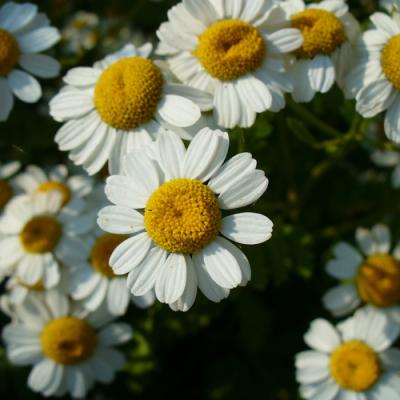
What Does Roman Chamomile Smell Like?
Roman chamomile essential oil — steam-distilled from the flower heads of Chamaemelum nobile — is one of the most beautiful and underappreciated materials in the perfumer's palette. Its scent is an extraordinary combination of fresh apple, warm hay, sweet herbs, and a faint almost ethereal florality that is unlike any other aromatic material in nature. The apple quality is immediately apparent and is one of chamomile's most distinctive characteristics: crisp, clean, and almost juicy, it recalls orchard fruit in a way that is natural rather than synthetic. The herbal and hay elements unfold with time, adding warmth and depth, while the floral background provides a gentle sweetness that prevents the overall impression from becoming too rough or medicinal.
Roman chamomile differs meaningfully from German chamomile (Matricaria recutita), which has a darker, more intensely medicinal and earthy character due to the presence of chamazulene (a blue compound responsible for German chamomile oil's characteristic blue colour). Roman chamomile is paler, warmer, and considerably more approachable — less medical and more pastoral, evoking a sun-drenched herb garden rather than a pharmacy. It is the Roman variety that finds more widespread use in fine fragrance, while German chamomile tends to appear in aromatherapeutic and cosmetic applications.
History of Chamomile in Perfumery and Traditional Use
Chamomile has been used medicinally and aromatically for at least 2,500 years. The ancient Egyptians dedicated chamomile to the sun god Ra, using it as an ingredient in cosmetic preparations, ritual embalming, and herbal medicine. In ancient Rome, chamomile was an everyday remedy for digestive and nervous complaints — its name derives from the Greek khamaimēlon, "ground apple," a reference to the characteristic apple scent of the flowers when crushed underfoot. Medieval European herbalists regarded chamomile as one of the most important of the "nine sacred herbs," and it retained a central place in European herbal medicine through the Renaissance and Enlightenment.
In fine fragrance, chamomile has a more modest profile than many aromatic botanicals — it tends to appear as a supporting note rather than a hero ingredient, contributing its soft apple-hay character to compositions across the herbal, green, and light oriental families. The eighteenth and nineteenth-century tradition of herbal colognes and toilet waters frequently included chamomile as a softening, naturalising ingredient. Contemporary perfumers have rediscovered chamomile's potential as a more prominent player, particularly in the growing interest in herb-garden and meadow-inspired compositions that celebrate gentle, unshowy botanical materials.
Key Aromatic Molecules in Roman Chamomile
Roman chamomile oil is chemically dominated by esters — the family of aromatic compounds typically responsible for fruity, sweet smells in nature. The most significant are isobutyl angelate, isoamyl angelate, and methyl angelate — esters of angelic acid that together provide the characteristic sweet-fruity-herbal quality unique to Roman chamomile. Angelates are rarely encountered in the natural world outside chamomile, which is part of what makes the oil so distinctive and so difficult to reconstruct convincingly from synthetic materials alone.
Minor components include pinocarvone and other monoterpene ketones, which contribute herbaceous and slightly cooling aspects; alpha-pinene and other terpenes providing fresh, green brightness; and isobutyl butyrate and related fruity esters reinforcing the apple character. The absence of chamazulene (the blue compound dominant in German chamomile) means that Roman chamomile oil is typically pale yellow rather than blue and lacks the deeper medicinal character of its Germanic relative.
Roman Chamomile in Famous Fragrances
Roman chamomile's gentle character means it appears more frequently as a contributing note than as a named solo ingredient, but several notable compositions have featured it prominently. The aromatic fougère tradition — the dominant masculine fragrance family of the twentieth century — draws on herbal materials including chamomile for the naturalistic complexity of its middle note accord. Various Hermès compositions in the green and herbal register use chamomile for its distinctive apple-hay character.
In the contemporary niche world, chamomile has found a more prominent home in compositions exploring botanically specific, meadow-inspired territories. Its apple character makes it a natural companion to the fruity-floral direction championed in feminine mainstream compositions, and it appears as a soft-focus supporting note in many light florals and fresh feminines. Those exploring floral fragrances and light herbal compositions at Fragrenza will encounter chamomile's signature warmth and sweetness in various supporting roles. The broader context of herbal and aromatic fragrance is well represented in the designer fragrances collection.
Roman Chamomile's Interactions with Other Notes
Roman chamomile's apple-hay character interacts beautifully with a range of fragrance materials. With lavender, it creates an intensely evocative herb garden accord — sun-warmed, pastoral, and deeply natural-smelling. With rose and other florals, chamomile's apple quality adds a fresh fruitiness that prevents the composition from becoming too dense or soapy. With tonka bean and hay absolute, chamomile creates a warm, solar, slightly gourmand accord that evokes summer meadows and picnic blankets.
In men's fragrances, chamomile functions as a naturalising and softening ingredient, adding herbal credibility to fresh or aromatic compositions without the sharpness of more assertive herbs like sage or thyme. With citrus top notes, it provides a warm herbal bridge that keeps the composition grounded and natural as the citrus evaporates. For those building a fragrance wardrobe that values gentle, botanically authentic complexity over bold statements, Roman chamomile represents one of the most rewarding and accessible of the herbal aromatics — a note that consistently rewards the patient nose with its understated but genuine beauty.