Cinnamon in Perfumery
Cinnamon is a warm spice that adds depth and dimension to perfume, a note every fragrance lover should learn to recognise on skin.
By Julia Moretti 4 min read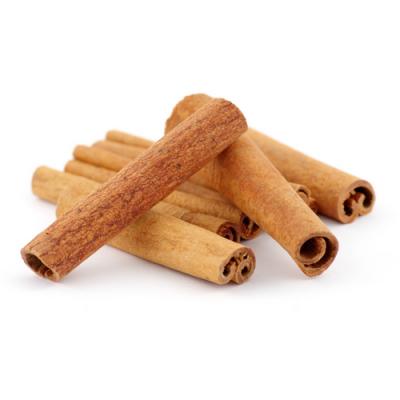
What Does Cinnamon Smell Like in Perfumery?
Cinnamon is one of humanity's oldest and most beloved spice aromatics, and in fine fragrance it occupies an equally fundamental position: warm, sweet, woody, and intensely spicy, with a slight clove-adjacent quality and — in the case of cinnamon leaf oil — an almost medicinal sharpness that provides contrast to the familiar sweetness. The smell is unambiguously warm; there is nothing cool or fresh about cinnamon. It brings to mind the best associations of autumn and winter — baked goods, mulled wine, warming drinks, the comforting interiors of spice markets in the souk or bazaar.
In perfumery, cinnamon is available in two principal forms: cinnamon bark oil, steam-distilled from the dried bark of Cinnamomum verum (true cinnamon, from Sri Lanka) or related species, which has the classic sweet, warm, slightly vanillic character most associated with cinnamon as a culinary spice; and cinnamon leaf oil, distilled from the leaves, which is higher in eugenol and consequently more pungent, clove-like, and sharp. The bark oil is generally preferred for fine fragrance applications due to its more complex and nuanced aromatic profile, though perfumers often blend both to achieve a fuller, more three-dimensional cinnamon accord.
The History of Cinnamon in Perfumery and Global Trade
Cinnamon is among the oldest traded commodities in human history. Egyptian hieroglyphic records from around 2000 BCE mention cassia (a close relative of true cinnamon) in the context of aromatic preparations; the Hebrew Bible includes cinnamon among the components of the holy anointing oil. Arab traders controlled the spice routes that brought cinnamon from South and Southeast Asia to the Mediterranean world for centuries, deliberately obscuring the true geographic source of their product to protect their monopoly.
When the Portuguese established direct sea routes to Ceylon (Sri Lanka) in the early sixteenth century, the cinnamon trade became one of the most commercially significant enterprises in the early history of European colonialism. The Dutch East India Company subsequently dominated cinnamon production and export for nearly two centuries, making Ceylon cinnamon one of the most jealously guarded commercial monopolies of the colonial era. This extraordinary commercial history testifies to the depth of human desire for cinnamon's warming aroma, which proved worth fighting empires to possess.
In fine fragrance, cinnamon became a cornerstone of the oriental family — the category of warm, spicy, resinous compositions that emerged in the late nineteenth century with fragrances like Guerlain's Jicky (1889). Cinnamon's combination of warmth, sweetness, and spice made it ideally suited to the oriental aesthetic of opulent, enveloping compositions designed to evoke the exotic East. It remains one of the most widely used spice notes in mainstream and niche fragrance today.
Key Aromatic Molecules in Cinnamon
Cinnamon bark oil is dominated by trans-cinnamaldehyde, an aldehyde that typically comprises 55–90% of the oil and is the primary source of the characteristic warm, sweet-spicy cinnamon smell. Cinnamaldehyde is one of the most recognisable odorants in the world — present at concentrations as low as a few parts per million, it immediately and unambiguously signals "cinnamon" to virtually any human nose. Its warm, slightly woody sweetness, combined with its good diffusion and moderate persistence, makes it an ideal fragrance ingredient.
Cinnamon leaf oil, by contrast, is dominated by eugenol (typically 70–90%), the same compound that gives cloves their characteristic pungent warmth. This explains the more assertive, clove-like character of leaf oil compared to the more classic, sweet cinnamon character of the bark. Additional compounds in bark oil include eugenol (in smaller quantities than in leaf oil), cinnamyl acetate (providing sweet, slightly floral aspects), and various sesquiterpenes contributing to the overall aromatic depth. Methyl cinnamate adds a slightly fruity, sweet character. In synthetic form, cinnamaldehyde and various cinnamate esters are widely used as cost-effective alternatives to natural cinnamon oil, enabling consistent, regulated use without the sensitisation risks associated with high concentrations of the natural material.
Famous Fragrances Featuring Cinnamon
Cinnamon appears prominently in some of the most iconic and commercially successful fragrances of all time. Viktor & Rolf Spicebomb places cinnamon alongside cardamom, chilli, and tobacco in a composition that defines the modern "spice bomb" masculine genre. Lancôme La Vie est Belle uses cinnamon in its warm oriental heart alongside iris and patchouli. Guerlain's Shalimar — the most celebrated oriental fragrance of the twentieth century — uses both cinnamon and its aromatic relatives to build the warm spice accord that bridges its citrus opening and its legendary vanilla-labdanum base.
Tom Ford Tobacco Vanille uses cinnamon as part of its rich spice-tobacco-vanilla composition, where the warming qualities of cinnamon amplify both the tobacco richness and the vanilla sweetness. Parfums de Marly Layton deploys cinnamon-adjacent spice warmth within its beautifully composed lavender-vanilla-woods structure. For a dedicated exploration of warm cinnamon-vanilla territory, Montale Vanilla Cake and Vanilla Delight at Fragrenza demonstrate cinnamon's essential role in gourmand-oriental compositions.
Cinnamon's Interactions with Other Notes
Cinnamon is one of the great connector notes in perfumery — its warmth amplifies and enriches virtually everything it touches. With vanilla, cinnamon creates the classic sweet-spice accord that underpins countless gourmand and oriental fragrances; the combination is as natural in fragrance as in culinary spice blends. With rose, cinnamon creates a warm, slightly exotic floral accord that recalls Middle Eastern rose-water preparations. With amber and labdanum, cinnamon adds a lively spice accent to the sweetness of balsamic base notes, preventing them from becoming too heavy or stagnant.
With oud, cinnamon creates the spicy-woody combination at the heart of many Middle Eastern-inspired fragrances, a combination with centuries of tradition behind it. With musks and woods, cinnamon acts as a warming agent, raising the temperature of the entire composition and giving it a sensual, skin-close quality. Those building a fragrance wardrobe around oriental and spicy compositions — the warmest, most sensual territory in fine fragrance — will find cinnamon an essential reference point. Explore the full range of spicy and oriental compositions in Fragrenza's oriental fragrances collection.