

Cocoa in Perfumery
Theobroma cacao absolute has no sugar in it: the natural aroma is dark, bitter and roasted with dried-fruit and floral undertones, and fragrance sweetness only arrives from added praline or vanillin.
By Julia Moretti 4 min read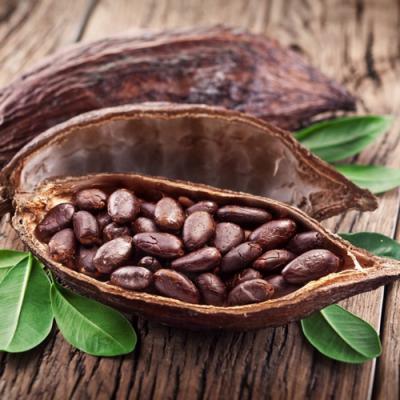
What Does Cocoa Smell Like in Perfumery?
Cocoa in perfumery — whether as cocoa absolute, cocoa CO2 extract, or reconstructed cocoa accord — captures the complex aromatic richness of roasted cacao beans: dark, bitter, slightly earthy, with undertones of dried fruit, roasted wood, and a subtle floral character that surprises those who associate chocolate purely with sweetness. Natural cocoa absolute is not sweet in the way that eating chocolate is sweet; that sweetness comes from sugar added in confectionery manufacture. The natural aroma of cocoa is darker, more austere, and more complex — a richly layered smell that carries the entire sensory history of fermentation, drying, roasting, and processing from bean to fragrance.
In the context of fragrance compositions, cocoa typically registers as warm, enveloping, and deeply comforting — a familiar smell associated with pleasure and indulgence, but capable of genuine sophistication when used by a skilled perfumer. The bitter, roasted edge of cocoa prevents it from being merely cloying; it introduces a counterpoint of darkness and complexity that elevates the note from simple sweetness into something more adult and multidimensional.
History of Cocoa in Fragrance and Gourmand Perfumery
Theobroma cacao — the "food of the gods" — was cultivated and revered by Mesoamerican civilisations long before European contact. Cacao beans were used as currency, in ceremonial chocolate drinks, and in cosmetic and ritual preparations that may have included aromatic uses. When cacao reached Europe in the sixteenth century, its aromatic properties were as prized as its flavour; early chocolate houses in seventeenth-century London and Paris were also perfumed spaces where the thick aroma of roasting and grinding cacao permeated the atmosphere.
In fine fragrance, cocoa's role is essentially a creation of the late twentieth century. The gourmand genre — fragrances that explicitly evoke edible pleasures rather than garden flowers or natural landscapes — emerged in the 1990s with Thierry Mugler's revolutionary Angel (1992), which placed dark chocolate, honey, and caramel notes alongside patchouli and blackcurrant bud in a composition that divided critics and conquered the market. Cocoa was central to this formula, providing the dark, roasted backbone that grounded the sweetness and gave Angel its characteristic intensity. The success of Angel opened a floodgate of cocoa-featuring gourmand fragrances that has not closed since, establishing the note as one of the defining ingredients of contemporary mainstream perfumery.
Key Aromatic Molecules in Cocoa
The complex aroma of roasted cacao involves hundreds of compounds generated during fermentation and the Maillard reaction (the same chemical process responsible for the smell of bread crust, roasted coffee, and seared meat). Key aroma-active compounds include 2-acetyl-1-pyrroline and other pyrazines, which provide the roasted, slightly earthy character; linalool and various floral compounds, remnants of the tropical flower origin of the cacao pod; acetic acid and butyric acid esters, contributing fruity and slightly fermented notes; and vanillin, providing natural sweetness.
In perfumery, cocoa accords are typically constructed from a combination of natural cocoa absolute, synthetic pyrazine-based materials, and complementary materials like vanilla, benzoin, and vetiver rather than relying entirely on natural extraction. The result is a "perfumer's cocoa" — an idealised version of the smell that captures the complexity of natural cocoa while offering the stability and consistency required for fine fragrance production.
Famous Fragrances Featuring Cocoa
The lineage of great cocoa fragrances begins with Angel and extends through decades of gourmand innovation. YSL Black Opium uses coffee and cocoa alongside white flowers in one of the most successful contemporary interpretations of the dark-gourmand theme. Guerlain's Spiritueuse Double Vanille builds a cocoa-tinged vanilla composition of extraordinary opulence. Histoires de Parfums' 1740 deploys cocoa alongside leather and tobacco in a composition that reads as the quintessential gourmand intellectual.
For more accessible interpretations, Fragrenza's Gourmand de Chocolat is a dedicated cocoa-chocolate composition of evident quality, offering a generous and well-crafted exploration of the note's full range. Vanilla Delight extends into the vanilla-cocoa register with warmth and richness. Those who love Lancôme La Vie est Belle — with its iris and praline base — are already adjacent to the gourmand tradition that cocoa helped establish.
Cocoa's Interactions with Other Notes
Cocoa is at its most sophisticated when used in combination with notes that contrast with or complement its bittersweet darkness. With vanilla, it creates the universal chocolate confectionery accord, warm and sweet; the perfumer's challenge is to use this combination with enough restraint and structural complexity to elevate it beyond the merely edible. With patchouli — the great earthy-sweet base note — cocoa creates a deep, complex accord that is both sensual and avant-garde, as Angel demonstrated unforgettably.
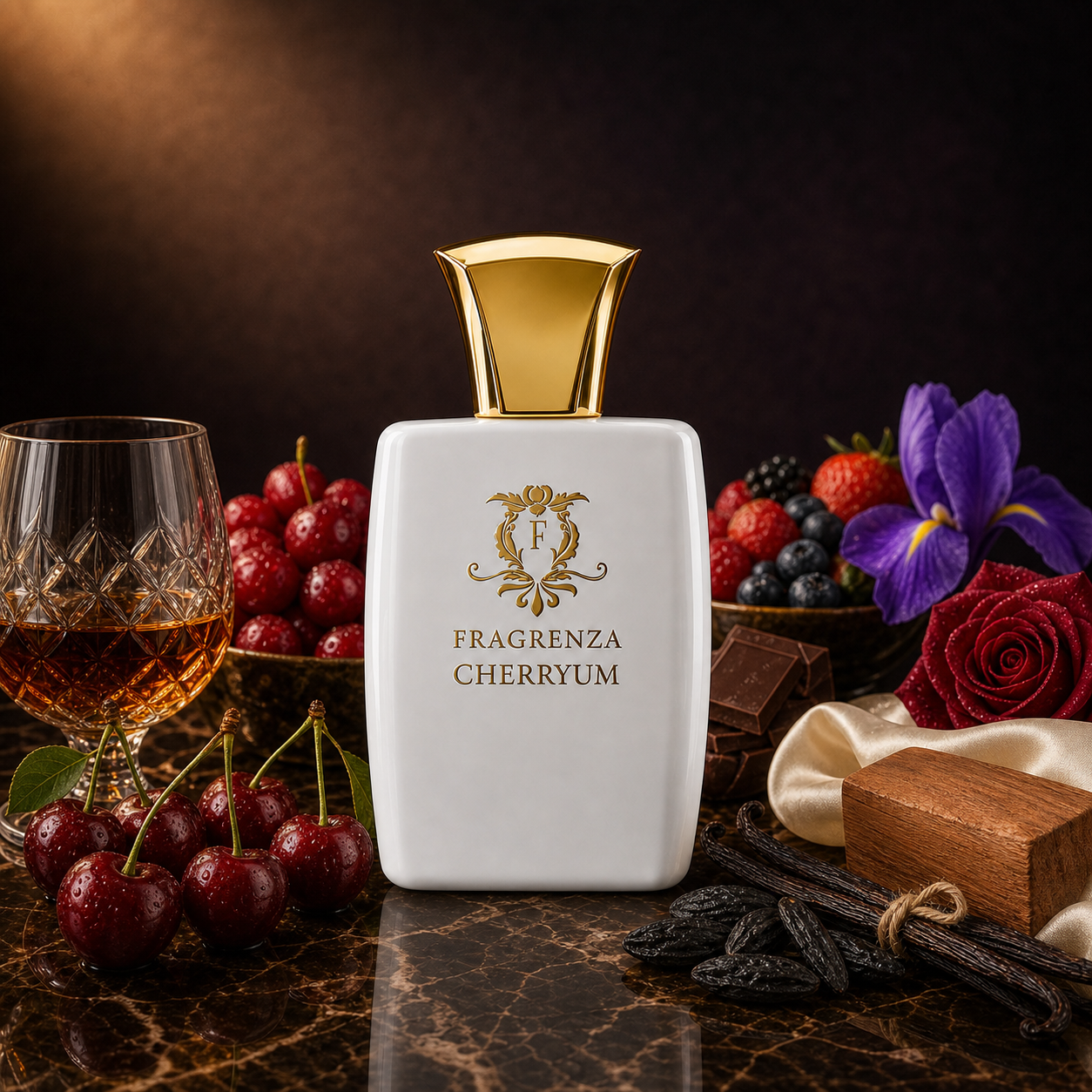
With tobacco and leather, cocoa creates a darkly masculine, moody accord of considerable sophistication — the olfactory equivalent of a bitter 85% cacao bar paired with aged cognac. With orange, the classic chocolate-orange combination translates beautifully into fragrance, using citrus brightness to lift the darkness of cocoa into something more sparkly and accessible. With coffee — a natural companion in flavour as in fragrance — cocoa creates a deeply roasted double accord that is the foundation of the entire "café gourmand" fragrance sub-family. Explore the full range of gourmand and oriental compositions at Fragrenza's oriental fragrances collection.