

Carrot in Perfumery
Carrot seed oil from Daucus carota carries a high proportion of carotol, a sesquiterpene alcohol that turns from earthy-rooty into a warm, powdery, almost violet-iris facet on the dry-down.
By Julia Moretti 7 min read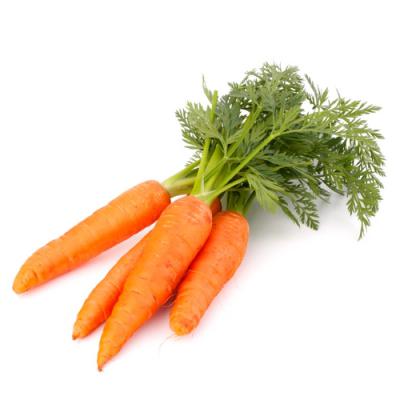
The Unexpected Elegance of Carrot in Perfumery
Of all the unusual ingredients that niche perfumers have championed over the past three decades, carrot may be among the most surprising. The thought of the familiar orange root vegetable as a luxury fragrance ingredient challenges expectations in a way that is entirely deliberate — part of the ongoing dialogue in contemporary perfumery about what constitutes beauty, what smells "good," and where the boundaries of acceptable aromatic material truly lie. Yet carrot is not merely a provocateur's choice. It is a genuinely beautiful, complex, and surprisingly versatile aromatic material with a long history in both natural perfumery and the broader world of aromatics.
The scent of carrot seed essential oil — which is the material most commonly used in fine fragrance, rather than the carrot itself — is striking and layered. The immediate impression is earthy, woody, and slightly dry, with an almost root-vegetable rawness that might initially read as challenging. But give it a moment, and something remarkable happens: the oil reveals a warm, powdery, violet-like facet that is genuinely beautiful, a roundness and depth that belies the humble origin. There is also something slightly carrot-like in the sweetness — not the sweet of fruit or sugar, but the specific earthy sweetness of the cooked vegetable, deeply comforting and strangely familiar.
The Chemistry Behind the Scent: Carotol and Beyond
Carrot seed essential oil is extracted by steam distillation from the dried seeds of Daucus carota, the wild carrot or Queen Anne's Lace. The most significant aromatic molecule in the oil is carotol, a sesquiterpene alcohol that constitutes a large proportion of the oil's composition and is primarily responsible for its characteristic earthy, woody, somewhat medicinal quality. Carotol is relatively unusual as an aromatic compound — it does not occur widely in other commonly used fragrance materials, which helps explain why carrot seed oil has such a distinctive and irreplaceable character.
Alongside carotol, the oil contains daucol, another sesquiterpene alcohol with similar earthy character, as well as beta-bisabolene, a molecule found also in sandalwood and chamomile that contributes a smooth, woody warmth. Alpha-pinene and other monoterpenes add a fresh, slightly resinous brightness to the initial impression of the oil. The combination of these molecules creates a scent profile that moves from fresh and slightly resinous on first impression, through the earthy heart dominated by carotol, to a warm, woody, slightly powdery dry-down that lingers on the skin with surprising elegance.
A History of Carrot in Fragrance
Carrot seed oil has a longer history in perfumery than most wearers realise. It was employed in traditional European herbal and pharmaceutical preparations for centuries before it found its way into fine fragrance, prized for its therapeutic properties in aromatherapy and natural medicine. In perfumery proper, carrot seed was used as a modifier in certain fougère and woody compositions through much of the twentieth century, particularly in fragrances designed for men where its dry, earthy character reinforced the woody and aromatic facets of the composition.
The real flowering of carrot as a notable fragrance ingredient came with the rise of niche perfumery in the 1990s and 2000s. Houses like L'Artisan Parfumeur and Serge Lutens, always willing to challenge conventional ideas of what belongs in a bottle, helped establish carrot as a legitimate ingredient capable of carrying real artistic weight. In this context, carrot seed works beautifully as a bridge material — connecting the green, vegetal world of botanical notes with the warmer, more abstract world of woods and resins. Its powdery violet-like facet also allows it to work effectively with floral materials, creating unexpected connections between the vegetable and floral kingdoms.
Famous Fragrances Featuring Carrot
Carrot appears most frequently in avant-garde and niche compositions, particularly those that celebrate unusual botanical materials or seek to explore the borderline between food, nature, and luxury. Fragrances built around vegetal or root note concepts almost invariably reach for carrot seed oil at some point, whether as a primary material or as a modifier that adds depth and earthiness to a composition. The violet-like facet of carrot makes it particularly valuable in iris-forward fragrances, where the two notes share a powdery, slightly medicinal quality that creates a seamless and fascinating interaction. For more on this pairing, the article on iris in perfumery is essential reading.
In mainstream fragrance, carrot tends to work at a subliminal level — present as a modifier in woody or amber bases without appearing on the note list or shaping the fragrance's marketed identity. But its contribution to the overall effect is real: the earthiness and warmth it adds to a composition can be the difference between a woody fragrance that feels genuinely grounded and natural and one that feels artificial and constructed. Fragrances in the niche fragrances collection are the most likely to feature carrot as a named and celebrated ingredient.
Note Interactions: What Carrot Works With
Carrot seed oil's earthy, slightly medicinal quality makes it a natural partner for other botanical and vegetal notes. Iris and violet are perhaps the most sympathetic partners, the shared powdery, rooty quality of these materials creating an accord that feels genuinely coherent and harmonious. Sandalwood provides an excellent base for carrot, its creamy warmth amplifying the softer, rounder aspects of the carrot note while the carrot adds an interesting earthiness to the sandalwood's more abstract quality. For more on sandalwood's pairing potential, the guide to sandalwood in perfumery provides useful context.
Vetiver is another natural partner — the grassroots earthiness of vetiver shares something of carrot seed's character, and the two together create compositions of genuine depth and character, deeply rooted in the natural world. Citrus notes work well with carrot in the top register, their brightness cutting through the earthiness and preventing the initial impression from becoming too heavy. Geranium, with its slightly vegetal green quality, also pairs well, reinforcing the botanical character of the accord. The article on geranium in perfumery explores the green, herbal family that carrot inhabits.
Wardrobe Context: Wearing Carrot Fragrances
Fragrances built around carrot seed oil tend to be subtle, complex, and primarily suited to wearers who appreciate the more unusual, unconventional side of fine fragrance. These are not fragrances that announce themselves dramatically or seek immediate mass approval — instead, they reward patience and attention, revealing their complexity gradually over the course of a wearing. As such, they are perhaps best suited to fragrance enthusiasts who have developed a palate for unusual materials and who value distinctiveness over accessibility.
In terms of occasion and season, carrot fragrances typically work best in cooler weather, where the earthy, rooty warmth of the note plays well against the cold. They tend to suit day wear better than evening occasions — there is something fundamentally unpretentious about carrot that makes it better suited to casual or professional contexts than to formal events. For wearers who are new to the world of unusual botanical notes, carrot is best approached through compositions that blend it with more familiar materials, using the carrot as a modifier rather than a headline note.
The Broader Vegetal Trend in Contemporary Perfumery
Carrot's presence in fine fragrance is part of a broader trend in contemporary niche perfumery toward exploring the full range of the natural world's aromatic possibilities. Where mainstream fragrance has historically focused on the conventionally beautiful — flowers, fruits, clean musks — the niche movement has been drawn to ingredients that challenge, provoke, and expand the definition of what "good" can smell like. Carrot, along with tomato leaf, violet leaf, fig stem, cut grass, and a host of other vegetal materials, represents this tendency toward the genuinely botanical — the smell of real plants in their full, sometimes challenging complexity, rather than the idealised, cleaned-up versions that conventional fragrance has traditionally preferred.
For wearers who are drawn to this approach, carrot seed oil represents an entry point into a world of aromatic experience that is dramatically wider and more interesting than the conventional fragrance market suggests. The powdery, violet-like facet of carrot makes it accessible enough to serve as a bridge between familiar territory and something genuinely new — a note that is easy enough to appreciate even on first encounter, but complex enough to reveal new dimensions with each subsequent wearing. As part of a broader exploration of unusual botanical ingredients, carrot belongs alongside iris, violet, and fig as notes that reward the genuinely curious perfume lover with experiences of real depth and beauty. The niche fragrances collection is the natural home for this kind of adventurous, ingredient-focused discovery.
Carrot Seed in Natural and Organic Fragrance
Beyond fine fragrance, carrot seed oil has found an important role in the natural and organic cosmetics and skincare sector. Prized for its supposed beneficial properties for skin health — it is rich in antioxidants and vitamin E — carrot seed oil appears in face oils, serums, and natural fragrance preparations where its earthy, slightly sweet character contributes both therapeutic and aromatic value. This health-and-beauty context has actually helped soften carrot's image somewhat in the mainstream consciousness, making it more familiar and acceptable as an ingredient in personal care products. For fine fragrance enthusiasts, the natural and organic context provides another avenue for exploring carrot's distinctive character outside of the strictly artistic sphere. Natural perfumers, who work exclusively with botanical materials, have found carrot seed an essential ingredient for adding earthiness and botanical specificity to compositions that value authenticity above all else.