

Fennel in Perfumery: Anisic, Green, and Strangely Seductive
Fennel is a fresh, herbaceous note prized by perfumers. Learn how perfumers use it, what it smells like on skin, and the fragrances that wear it best.
By Julia Moretti 7 min read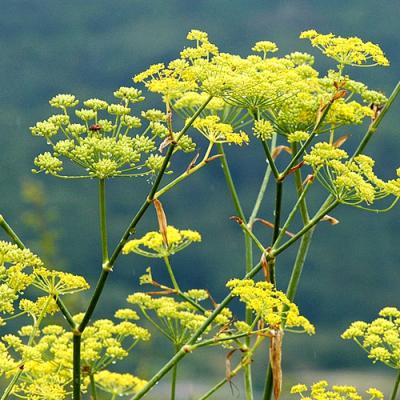
An Unexpected Pleasure: The Smell of Fennel in Fragrance
Fennel is one of those ingredients that surprises people when they encounter it in a fine fragrance context. Most of us know it from the kitchen — the crisp, anise-scented fronds of Florence fennel or the assertive seeds ground into Italian sausage — and the leap from the vegetable drawer to the perfume counter is not immediately obvious. Yet fennel has been a valued aromatic material for centuries, and within contemporary perfumery its green, herbal-anisic character offers something that few other notes can replicate: a freshness that is culinary and intimate rather than simply clean.
The smell of fennel essential oil is complex. At first encounter there is undeniable sweetness, the anisic character associated with trans-anethole that links it immediately to star anise, liquorice, and tarragon. But where star anise can be almost confectionery-sweet, fennel carries a bitter-green undercurrent — a quality derived from fenchone, the ketone that gives the oil its more herbal, slightly medicinal facet. The result is an ingredient that is simultaneously sweet and dry, warm and fresh, approachable and strangely complex.
Botanical Origins: From Mediterranean Herb to Perfumery Ingredient
Foeniculum vulgare — common fennel — is native to the Mediterranean basin and has been cultivated since antiquity. The ancient Greeks and Romans valued it as a medicinal herb, a cooking ingredient, and a symbol of courage; athletes consumed it to improve endurance, and it appeared in the medical writings of Dioscorides as a remedy for digestive complaints and respiratory ailments. The aromatic seeds, sometimes called fruit, were among the earliest plant materials to be distilled for essential oil, and by the medieval period fennel water was a common culinary and medicinal preparation across Europe.
The essential oil is produced by steam-distillation of the crushed seeds, with sweet fennel (Foeniculum vulgare var. dulce) and bitter fennel (Foeniculum vulgare var. amara) producing oils with distinct compositional profiles. Sweet fennel oil is richer in trans-anethole (typically 60–80%) with relatively little fenchone, yielding a rounder, more anisic, sweeter character. Bitter fennel contains more fenchone (10–25%), making its profile drier, more herbal, and more camphora-ceous. Perfumers select between these varieties — and sometimes blend them — depending on whether they want the sweet, spice-rack facet or the drier, more aromatic quality.
Major producing regions include Spain, France, India, and Egypt, each yielding oils with subtle variations in composition shaped by climate, soil, and cultivar selection. French fennel has a reputation for elegance; Indian fennel tends to be more robust and intensely anisic.
Key Molecules: Anethole, Fenchone, and Estragole
The dominant molecule in sweet fennel oil, trans-anethole, is responsible for the characteristic anisic-sweet impression that links fennel to spice family notes and liqueur accords. Trans-anethole is also the primary aromatic compound in star anise, anise seed, and liquorice root, which explains the strong family resemblance between these materials despite their botanical differences. In perfumery, trans-anethole is sometimes used in isolation to achieve a clean, sweet anisic note without the full complexity of the fennel oil.
Fenchone is the molecule that gives fennel its distinctive character beyond anethole. A bicyclic monoterpenoid ketone, fenchone has a cooler, somewhat medicinal, herbaceous odour that adds a pleasing dryness to the sweet anisic base. Its relationship with camphor is evident: both are bicyclic ketones, and both share that slightly austere, aromatic quality. It is fenchone that makes bitter fennel smell more complex and grown-up than its sweeter counterpart.
Estragole (methyl chavicol), a phenylpropanoid also found in tarragon and basil, appears in smaller quantities in some fennel oils and contributes a green, herbaceous, slightly spicy nuance. Limonene — ubiquitous in citrus oils — provides a citrusy brightness, connecting fennel tenuously to the citrus family and helping explain why fennel accords often feel surprisingly fresh rather than purely warm-spicy.
Fennel in the History of Perfumery
Fennel appeared in ancient scented preparations long before modern perfumery existed. Egyptian fragrance recipes inscribed on temple walls mention anisic plant materials, and Roman perfumers used fennel in their unguents. The Crusades and spice trade ensured that anisic materials — including fennel — remained a constant presence in the aromatic pharmacopoeia of medieval and Renaissance Europe, used in sachets, pomanders, and the early distillates that would eventually evolve into eau de cologne.
In the classical era of fine fragrance, fennel most commonly appeared as part of herbal-aromatic compositions rather than as a featured note. Its contribution to the fougère family — where herbal, aromatic, and green materials combine with lavender and coumarin — was often unannounced but significant. The clean, sweet-herbal quality of fennel complemented the aromatic heart of these compositions without imposing its personality too forcefully.
Contemporary perfumery has been bolder in showcasing fennel. The growing appetite for unusual, culinary, and gourmand notes has brought fennel closer to the foreground, sometimes as part of green-aromatic openings, sometimes as a bridge between spicy and herbal facets in complex oriental or woody compositions. The note rewards the adventurous perfume explorer willing to look beyond the familiar.
Famous Fragrances Featuring Fennel
Yves Saint Laurent's Kouros — that legendary and divisive masculine fragrance from 1981 — incorporates aromatic herbal notes that include fennel-like anisic facets within its complex, almost aggressively animalic structure. The effect is deeply unconventional: the herbal-anisic note provides a strange counterpoint to the honey and civet that dominate the base, creating a tension that remains fascinating decades later.
Serge Lutens has explored anisic materials extensively throughout his catalogue, and several of his compositions — including Fenouil Vif, a frank celebration of fennel in perfumery — demonstrate how powerful and compelling the note can be when handled by a perfumer with the confidence to give it room. The Lutens aesthetic, which prizes emotional complexity over conventional prettiness, is a natural match for fennel's contradictions.
More accessible but equally considered, Parfums de Marly Layton achieves a masterful balance of aromatic herbs and sweet spices, and while fennel is not the signature note, the aromatic-anisic family to which it belongs is well represented in the composition's fresh, complex opening. In the broader landscape of niche perfumery, fennel has found a growing audience among those seeking fragrance that is genuinely unexpected.
Fennel's Interactions with Other Perfumery Notes
Fennel's anisic-herbal character gives it a natural affinity with several major perfumery families. With lavender, it forms an aromatic-herbal accord that feels Mediterranean in its spirit — sunny, outdoorsy, and appealingly rustic. Both notes are cool-herbal in different ways, and their combination produces a freshness that is more complex and characterful than either ingredient achieves alone.
Fennel and cardamom create an intriguing spice-anisic dialogue — two aromatic spices with different but complementary profiles, their warmth and green freshness combining in ways that feel both culinary and elegant. Similarly, fennel with bergamot achieves a lifted, fresh-aromatic opening that translates particularly well in warm-weather compositions, the citrus brightness of bergamot providing a clean launch pad for fennel's more complex herbal character.
In deeper compositions, fennel finds common cause with animalic and resinous materials. Its anisic facet can provide a surprising freshness within a heavier amber or balsamic base, functioning similarly to the role of aromatic herbs in a rich, slow-cooked dish — cutting richness and restoring balance. With vanilla, fennel takes on a quasi-gourmand dimension: think of anise biscuits or liquorice candies, where sweetness and herbal bitterness combine in something comforting and slightly nostalgic.
Wardrobe Context: Who Should Wear Fennel?
Fennel-forward fragrances occupy an interesting position in the contemporary fragrance landscape: they are not mainstream, but neither are they intimidatingly difficult. They tend to appeal to wearers who have moved beyond conventionally pretty florals or straightforward fresh aquatics and are looking for something with genuine personality and culinary interest.
In terms of occasion, fennel scents work particularly well in warm weather, where their Mediterranean herbal character feels appropriate and alive. They are excellent for casual daytime wear — a weekend in a market, a lunch in a garden — but can also transition to evening in the right composition. As a bridge between the aromatic-herbal and oriental families, fennel-based fragrances suit those who love the freshness of aromatic herbs but want something warmer and more enveloping than a straightforward fougère.
A fennel fragrance is, at its best, a conversation starter — an olfactory choice that rewards the person who asks "what are you wearing?" with something genuinely surprising. In a landscape dominated by predictable fresh-clean or sweet-floral choices, it is a note that signals curiosity, confidence, and a willingness to engage with the full breadth of what contemporary perfumery has to offer.