
Black Pepper in Perfumery: The Sharp, Dry Spice That Defines Modern Masculine Fragrance
Piper nigrum from the Malabar coast of Kerala, Vietnam and Indonesia carries a terpene-rich citric top over a woody resinous base, giving black pepper longevity rare among spices.
By Julia Moretti 6 min read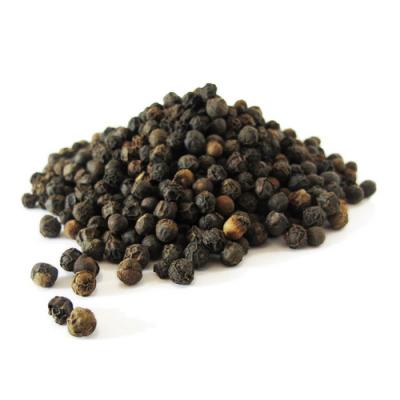
Black Pepper in Fragrance: Dry, Sharp, and Magnificently Direct
Black pepper — Piper nigrum in its dried, ground form — is among the most assertive and immediately recognisable spices available to the perfumer, and arguably the spice ingredient that has most profoundly shaped the aesthetic of contemporary masculine perfumery. Where pink pepper is rosy and approachable, and white pepper is softer and slightly musky, black pepper is direct, dry, and uncompromising: a sharp, slightly camphoraceous heat with a woody undertone that grounds the spiciness and prevents it from reading as purely culinary.
The smell of black pepper essential oil is surprisingly complex. The top notes are sharply aromatic, with a faint citrus-like freshness that comes from the terpene-rich composition of the oil. Beneath that is the characteristic pepper character — dry, slightly dusty, faintly earthy — and in the base, a woody, resinous depth that gives the oil surprisingly good longevity for a spice material. The overall impression is of controlled, focused energy: black pepper is not warm in the way that cinnamon or cardamom are warm; it is alert, precise, and somewhat cool, more electric than cosy.
The History of Black Pepper in Trade and Perfumery
Few ingredients in human history have commanded the cultural and economic importance of black pepper. Grown primarily in the Malabar coast of India (present-day Kerala), Vietnam, Indonesia, and Brazil, Piper nigrum was the primary driver of the European spice trade from the medieval period onwards, the substance that motivated the Portuguese circumnavigation of Africa, the Spanish voyages west, and the establishment of the Dutch and English East India Companies. To smell black pepper is, in a very real sense, to smell the scent of global commerce and exploration.
In perfumery, black pepper has been used since ancient times — it appears in archaeological evidence of Egyptian aromatic preparations and in the great classical incense traditions of the Near East. In European fine perfumery, black pepper was an ingredient in elaborate spiced waters and pomanders from the Renaissance onwards, valued as much for its supposed medicinal properties as for its aromatic contribution. The classical oriental tradition that developed in French perfumery from the nineteenth century onward used black pepper as an energiser and sharpener within complex, resinous base compositions, where its dry heat provided contrast and focus.
The contemporary dominance of black pepper in masculine perfumery is a development of the last three decades. As the fresh-aromatic masculine tradition moved away from heavy, synthetic musks and toward drier, more natural-ingredient-forward compositions, black pepper emerged as a note of particular relevance: its sharpness aligned with the aesthetic of modern, confident masculinity, its dry character prevented compositions from reading as sweet or cloying, and its long association with luxury and global trade gave it appropriate cultural weight.
Key Aromatic Molecules and Extraction
Black pepper essential oil is produced by steam distillation of dried black peppercorns — the whole fruit of Piper nigrum dried before full ripening. The oil is dominated by monoterpenes and sesquiterpenes, with beta-caryophyllene the most significant and distinctive aromatic compound. Beta-caryophyllene is a sesquiterpene with a woody, slightly clove-like, and unmistakably pepper-adjacent character — it is also found in clove, copaiba balsam, and various essential oils, which explains the olfactory family resemblances between black pepper and certain wood and spice notes.
Sabinene and alpha-pinene contribute fresh, citrus-like top notes; alpha-terpinene adds a slightly medicinal, clean quality; delta-3-carene provides a dry, sweet, somewhat earthy quality. The combined effect of these terpenes and sesquiterpenes is an oil that has a very identifiable initial pepper character while developing considerable complexity over its evaporation. The absolute from black pepper, obtained by solvent extraction rather than distillation, yields a richer, darker, and more complete aromatic picture that captures the dried fruit's waxy, spice-rack depth alongside the essential oil's brighter characteristics.
Piperine — the alkaloid responsible for pepper's burning sensation on the tongue — is not meaningfully aromatic in the olfactory sense. The spicy heat that wearers sometimes perceive in a black pepper-forward fragrance is a psychosomatic effect — the brain's association of the smell with the culinary experience of eating pepper.
Famous Fragrances Featuring Black Pepper
Dior Sauvage stands as the most commercially successful black pepper fragrance in history. Its opening — bergamot, black pepper, and the expansive woody-musky molecule Ambroxan — created a fragrance that sold in extraordinary volumes precisely because the black pepper gave the composition a directness and masculinity that felt genuinely contemporary rather than conventional. The pepper here is clean and precise, a focused burst of spice that establishes the fragrance's character before the base takes over.
Cartier Déclaration, long regarded as a landmark masculine, built its entire character around a cedar-black pepper accord that remains one of the most sophisticated deployments of the note in commercial perfumery. The minimalism of the composition allows the pepper's character to be studied with unusual clarity. Spicebomb by Viktor&Rolf deploys black pepper within a broader explosion of spice — alongside tobacco, saffron, and cinnamon — where it contributes its characteristic dry energy to an aggressive, memorable composition. Parfums de Marly Layton uses pepper as a quiet but essential structural note, its sharpness preventing the composition's lavender-vanilla sweetness from becoming one-dimensional.
How Black Pepper Interacts with Other Notes
Black pepper's defining compositional function is sharpening and energising. It brings focus to compositions that might otherwise feel diffuse, adds dry energy to those in danger of becoming too smooth or safe, and provides a naturalness — through its spice-rack directness — that prevents many contemporary wood-musk compositions from feeling entirely synthetic. Against bergamot, black pepper creates an electric, fresh-spicy accord that is one of the most reliably successful masculine opening structures.
With cedar, black pepper achieves the clean, dry, architectural quality of the classic Cartier formula. Against leather, it adds a dark spicy dimension that amplifies the leather's natural assertiveness. With tobacco, it creates a sophisticated smoky-spice combination; with oud, the combination of two deeply complex and powerful notes can be extraordinary — the pepper sharpening oud's animalic depth into something more clearly defined and more immediately wearable.
With floral notes, black pepper requires more careful calibration. It can add an interesting edge to rose in the right context — some rose-pepper fragrances are genuinely compelling — but it can overpower lighter florals if over-used. Against vanilla and other sweet base notes, black pepper creates a classic sweet-spice tension that is both sophisticated and broadly appealing, the pepper preventing the sweetness from cloying.
Black Pepper in the Fragrance Wardrobe
Black pepper is a genuinely four-season note — its dry character is equally appropriate in warm weather (where it adds energy without adding weight) and cool weather (where it contributes to the spiced warmth of autumn and winter compositions). This year-round versatility, combined with its broad appeal across genders and cultural backgrounds, makes black pepper one of the fragrance wardrobe's most reliable workhorses.
Fragrances in which black pepper plays a leading role tend to read as confident, focused, and adult — they are not easy, approachable crowd-pleasers in the way that sweet florals or vanilla-heavy compositions can be, but they project a kind of quiet authority that earns them loyal adherents. For the fragrance collector building a comprehensive representation of the men's fragrance category, at least one black pepper-forward composition is essentially mandatory: it is an ingredient so central to contemporary masculine perfumery's identity that to ignore it is to miss one of the category's essential chapters.