

Petitgrain in Perfumery: The Green, Woody Citrussy Note from Orange Tree Leaves
Petitgrain is one of perfumery's brightest top notes. Learn how perfumers use it, what it smells like on skin, and the fragrances that wear it best.
By Julia Moretti 6 min read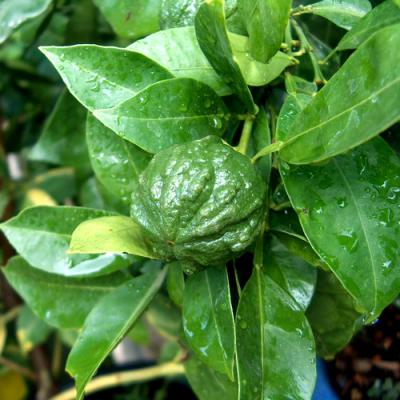
What Petitgrain Smells Like: Green, Woody, and Freshly Citrusy
Petitgrain is one of perfumery's most quietly essential ingredients — a note that appears in thousands of compositions across almost every fragrance family, yet rarely receives the recognition it deserves. The essential oil is distilled from the leaves and small twigs of the bitter orange tree (Citrus aurantium), making petitgrain a botanical relative of neroli (distilled from the flowers) and bitter orange peel oil. Yet the aroma of petitgrain is remarkably distinct from either of these siblings: where neroli is predominantly floral with a lighter, brighter citrus quality, and bitter orange peel oil is deeply citrusy and somewhat resinous, petitgrain reads as green, woody, and aromatic — with a clean, slightly dry freshness that suggests the orchard in high summer rather than the fruit bowl.
The smell profile is a fascinating combination: there is undeniably a citrus element, connecting petitgrain to bergamot and lemon in its clean, slightly tart top notes; beneath that sits a green, slightly grassy quality reminiscent of freshly cut stems or the inner bark of a tree; and underneath all of this is a dry, woody, slightly resinous depth that gives petitgrain far more staying power than most citrus ingredients. It is this combination of citrus brightness, green freshness, and woody base that makes petitgrain so versatile and so consistently useful across fragrance families from citrus soliflores to complex woody florals.
The Origins and History of Petitgrain
The name "petitgrain" — French for "little grain" — dates to a time when the oil was distilled from the small, unripe fruit (small grains) of the bitter orange tree, before the practice shifted to leaves and twigs as the primary raw material. This etymological detail connects petitgrain to the broader tradition of utilizing every part of the extraordinarily generous Citrus aurantium plant, which provides three distinct essential oils: peel oil from the rind, neroli from the flowers, and petitgrain from the foliage.
Petitgrain essential oil has been produced commercially since at least the eighteenth century, primarily in Paraguay and France. Paraguay became and remains the world's primary source of petitgrain bigarade (the most common variety), where the climatic conditions and the abundance of feral bitter orange trees allowed for large-scale distillation. French petitgrain, produced in Provence and around Grasse, is generally considered of higher quality and commands premium prices, though it represents a much smaller volume of production. Other significant origins include Italy, where petitgrain from the Calabria region carries a slightly more floral, lemony character, and Morocco.
In European perfumery, petitgrain was a significant component of the Eau de Cologne tradition from its earliest days. The Cologne formula, which brought together citrus, aromatic, and floral notes in a sparkling, volatile composition designed to refresh and revive, naturally incorporated petitgrain's woody-fresh character as a bridge between the citrus top notes and the aromatic herbs below. This structural role — as a connector between lighter citrus and heavier aromatic or floral materials — remains petitgrain's primary function in the classical fragrance tradition.
Key Aromatic Molecules and Extraction
Petitgrain essential oil is obtained by steam distillation of fresh orange tree leaves and twigs, a process that yields a pale yellow oil of considerable aromatic complexity. The primary aromatic constituent is linalyl acetate, which can constitute 45 to 75 percent of the oil and is responsible for the sweet, slightly floral, and bergamot-adjacent freshness of the top notes. Linalool, the second major constituent, adds a softer, floral-woody quality. Geranyl acetate and other acetate esters contribute fruity, rosy facets. Alpha-terpineol provides a slightly lilac-like, fresh quality. The combination of these acetates and alcohols produces an oil that is simultaneously fresh, aromatic, and moderately long-lasting on skin.
The woody and green character of petitgrain comes from minor constituents including beta-myrcene (a green, resinous molecule), various sesquiterpenes, and small amounts of phenolics. The specific balance of these minor components varies significantly between growing regions and seasons, giving petitgrain from different origins subtly distinct characters that experienced perfumers find genuinely significant. Paraguayan petitgrain tends to be cleaner and more uniform; French and Italian varieties show more variation and complexity.
In terms of longevity, petitgrain occupies a more favourable position than most citrus ingredients. Its moderate volatility — primarily a top and middle note character — means it bridges the gap between the ephemeral citrus opening and the longer-lasting floral or woody heart, providing a connecting thread that helps compositions feel coherent across their development.
Famous Fragrances Featuring Petitgrain
Petitgrain is a staple of the Eau de Cologne and fresh masculine tradition. Acqua di Parma Colonia, one of the most celebrated classical colognes, makes petitgrain a primary note alongside lemon, lavender, and rose — the green-citrus freshness of the petitgrain providing the composition's characteristic clean, slightly austere elegance. 4711 Cologne, the archetypal Cologne formula, uses petitgrain as part of its fresh aromatic accord.
In contemporary mainstream perfumery, petitgrain appears as a structural note in many celebrated masculines. Bleu de Chanel uses a petitgrain-grapefruit-lemon accord to create its clean, confident opening — the petitgrain providing the green-woody backbone that gives the citrus notes coherence and helps them transition into the fragrance's cedar-incense heart. Dior Sauvage deploys petitgrain alongside bergamot in an opening that is simultaneously fresh and powerful — the green, woody facets of the petitgrain scale up the composition's presence without adding heaviness.
In the niche world, several houses have made petitgrain a primary note rather than a structural support. Hermès Eau de Cologne Hermès and various interpretations from Diptyque and L'Artisan Parfumeur celebrate petitgrain's natural complexity in compositions of great elegance and restraint. The green, slightly dry freshness of petitgrain is particularly aligned with the minimalist, natural aesthetic that many niche fragrances prioritise.
How Petitgrain Interacts with Other Notes
Petitgrain's fundamental character as a connector note — bridging citrus brightness and woody depth — defines its interactions throughout the fragrance family spectrum. With other citrus notes, particularly bergamot, petitgrain creates a citrus accord of unusual depth and longevity. The bergamot's floral-tea quality and petitgrain's woody-green freshness complement each other extraordinarily well, explaining their frequent co-occurrence in classical fougere and cologne structures. With neroli, petitgrain creates the full picture of the bitter orange tree — flower and foliage together, a pairing of great naturalness and sophistication.
Aromatic herbs — lavender, rosemary, thyme — are classic partners for petitgrain in the fougere and aromatic cologne tradition. The combination of aromatic herbs with citrus is one of perfumery's oldest and most satisfying structural strategies, and petitgrain plays a crucial role in making these pairings work by bridging the two families. With lavender in particular, petitgrain creates the opening of the classic masculine fougere — fresh, aromatic, clean, and endlessly appealing.
With woody base notes, petitgrain acts as an aerial bridge. Against cedar, it creates a green-dry freshness; against vetiver, it tempers the earthiness of the root with airy brightness; against sandalwood, it provides a lively counterpoint to the creamier, heavier warmth of the wood. In floral compositions, petitgrain typically appears in the opening, providing a green-fresh context for the florals that follow — its green quality making flowers like rose and jasmine smell more natural and less extracted.
Petitgrain in the Fragrance Wardrobe
Petitgrain is a note for all seasons and most occasions, but it performs at its absolute best in spring and summer, when its fresh, green quality aligns perfectly with warm, outdoor environments. As a top and middle note in aromatic colognes and fresh masculines, it is an ideal everyday companion — light enough for professional settings, sophisticated enough for those who appreciate ingredient quality, and broadly appealing enough to avoid alienating any but the most fragrance-averse. The green, natural character of petitgrain also fits beautifully into any context where freshness and cleanliness are the primary olfactory objectives.
For the fragrance wardrobe builder, petitgrain's ubiquity means you may already own several fragrances in which it plays a significant role without being aware of it. Recognising the note when you encounter it — that clean, green, slightly woody freshness in the opening of a cologne or fresh aromatic — is one of those perfumery education milestones that deepens the pleasure of fragrance exploration considerably. It is also a reliable quality marker: a composition that uses good-quality petitgrain, properly calibrated against complementary notes, typically reflects a level of craft and attention to ingredient quality worth seeking out.