Single-Note Fragrances: Why Simplicity Is the New Luxury in Perfumery
Bulgarian rose absolute in narrow May harvest costs what it costs - genuine single-note compositions reveal raw material quality with brutal honesty.
By Julia MorettiFragrenza makes several of the alternatives featured in our guides — here’s how we test.
5 min read
Perfumery has always courted complexity. The great classics of the twentieth century were architecturally intricate constructions — pyramids of top, heart, and base notes assembled by master perfumers into something that shifted and transformed over hours, revealing new dimensions with each passing phase. More recently, the niche fragrance revolution pushed this complexity further still, producing compositions of extraordinary density: accords stacked upon accords, rare materials jostling for prominence, olfactive narratives that demanded patience and attention to fully comprehend. And now, almost as a direct rebuke to all of that, the single-note fragrance has arrived at the centre of contemporary perfumery.
What a Single-Note Fragrance Actually Is
The term requires careful definition, because simplicity in perfumery is rarely as simple as it sounds. A true soli fragrance — from the Latin for alone — is built around a single aromatic material presented with as much clarity and fidelity as the perfumer's art allows. There are no supporting players, no flanking accords designed to smooth rough edges or add intrigue. The material itself must do everything: open, develop, and linger on skin with enough character to sustain interest from first spray to final dry-down.
This is emphatically not the same as a fragrance with a dominant note. A rose soliflore, for example, will still contain fixatives, perhaps a touch of something green to replicate the stem, and supporting musks to help the rose project and last. What distinguishes a genuine single-note from a merely note-forward composition is the degree to which the perfumer has committed to the architecture of that single material — studying it at every concentration, testing it on every skin type, and refusing the temptation to add complexity simply because the tools to do so exist.
The Case Against Complexity
The emergence of the single-note as a serious category is partly a response to what might gently be described as olfactive saturation. The last decade produced an extraordinary number of fragrances — industry estimates suggest that over three thousand new launches appear globally each year — and a meaningful proportion of them have been elaborate, conceptually dense, and demanding. Wearing some of the more ambitious niche releases can feel less like a personal pleasure and more like completing an assignment.
There is also the matter of ingredient transparency. As consumers have become more fragrance-literate — more aware of the specific materials that make up their favourite scents, more curious about the sourcing and quality of raw ingredients — the appeal of a fragrance that places a single material under the spotlight has grown considerably. A single-note perfume is, among other things, an education. It teaches you what real Bulgarian rose smells like in its purest form. It shows you the difference between synthetic and natural vetiver. It reveals the extraordinary range contained within a material like ambrette or orris.
The Demand for Quality
Here is the paradox at the heart of the single-note trend: simplicity is genuinely, substantially harder to execute than complexity. In a multi-layered composition, a perfumer has countless tools for concealment — a rough transition can be smoothed, a disappointing dry-down can be rescued, a material's less appealing facets can be buried beneath supporting notes. When there is only one material, nothing can be hidden. Every quality decision is entirely visible.
This means that the best single-note fragrances are built on raw materials of exceptional quality — and exceptional quality in fine fragrance means cost. The finest Bulgarian rose absolute, steam-distilled in small batches during a narrow May harvest window, commands extraordinary prices. A truly exceptional vetiver from Haiti or a clean, pure jasmine sambac from India is an investment before a single bottle is filled. The simplicity of the final product belies the expense and care that made it possible.
It also means that the best single-note perfumers possess a kind of courage that the architects of complex accords do not strictly require. To stand behind one material and say, definitively, that it is interesting enough on its own — that requires genuine conviction in the quality of what you have chosen.
The Most Compelling Examples
The current landscape offers some extraordinary examples of the form done beautifully. Houses working seriously in this territory have produced soli interpretations of iris — earthy, powdery, almost edible — that outperform many elaborate florals in terms of memorability and skin-intimacy. Single-material explorations of frankincense have revealed a material that is simultaneously ancient and radically contemporary, resinous and somehow transparent. Oud treated as a soloist rather than a supporting player in an oriental accord turns out to be a revelation: complex enough on its own to sustain hours of wear, changing constantly without ever losing its central identity.
What these compositions share is the quality of genuine revelation. They do not try to take you on a narrative journey or construct an olfactive metaphor. They ask only that you pay attention to a single extraordinary material — and in doing so, they consistently reward that attention in ways that more elaborate constructions sometimes fail to match.
Simplicity as Statement
There is something quietly radical about choosing simplicity in an industry predicated on more. A single-note fragrance makes a statement — about confidence, about the willingness to let quality speak without amplification, about a refusal to perform complexity as a substitute for substance. In a cultural moment defined by overstimulation and the relentless pressure to do more, mean more, be more, the fragrance that asks only that you experience one thing completely feels not minimal but profound.
This is the real luxury of the single-note: not the restraint, but the conviction. And as the fragrance world continues to reckon with its own excess, that conviction is becoming one of the most compelling qualities a bottle can possess.
Discover at Fragrenza
For those drawn to the clarity of a single-note approach, Fragrenza's Niche Fragrances collection is an excellent place to begin — compositions that privilege quality of material over accumulation of accords.
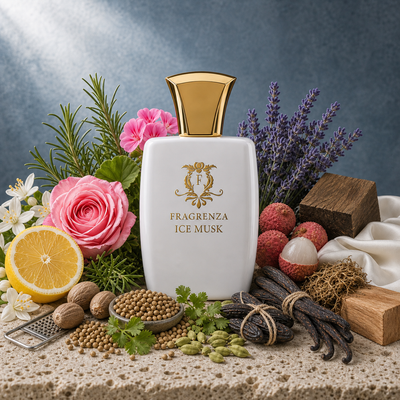
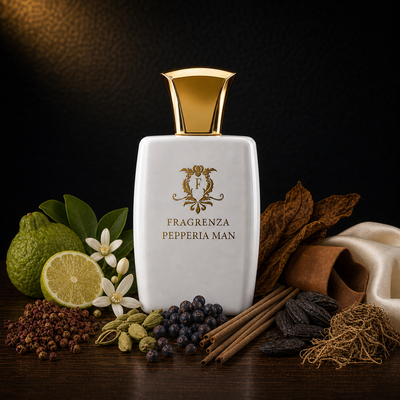
exemplifies the single-note philosophy at its most wearable, presenting clean musk with an almost meditative transparency that adapts differently on every skin, while channels the bold conviction of a note-forward aromatic — pepper made the unambiguous centre of attention. The broader Unisex Fragrances range also rewards exploration for anyone who values the kind of material-first thinking that defines the best of this movement.