The Best Gender-Neutral Fragrances of 2026: Beyond the Binary at the Fragrance Counter
Unisex launches climbed twenty-five percent year on year while under-thirty-five shoppers report being steered toward gendered options as the most alienating part of the counter visit.
By Julia MorettiFragrenza makes several of the alternatives featured in our guides — here’s how we test.
5 min read
The fragrance industry has spent the better part of a century telling us that smell has a gender. Blue bottles for men. Pink and gold for women. Woody aromatic fougères here; soft florals there. A customer approaching the fragrance counter was immediately sorted into one of two channels, and the industry organised itself — its marketing, its shelf placements, its celebrity partnerships — around the maintenance of that binary. In 2026, that architecture is collapsing with a speed and finality that few predicted even five years ago.
The Numbers Behind the Shift
The data is unambiguous. Unisex fragrance launches are up twenty-five percent in 2026 compared to the previous year, and that figure represents acceleration rather than plateau. Market research across major fragrance-buying demographics consistently shows that younger consumers — those under thirty-five who are now the industry's most consequential growth segment — express strong preference for fragrances described as gender-neutral, and significant discomfort with gendered fragrance marketing. Many report purchasing freely from sections historically not designated for their gender, and describe the experience of being steered toward gender-appropriate options by counter staff as unhelpful at best, alienating at worst.
The industry has received this message with varying degrees of grace. Some heritage houses have simply relabelled existing unisex-skewing products and called the work done. Others have undertaken genuine rethinking of their approach — retiring the homme and femme distinctions from their classification systems, training counter staff differently, investing in fragrance architecture that is genuinely designed to work across the full spectrum of bodies and skin chemistries rather than being merely unmarked.
A Brief History of Gendered Smell
It is worth remembering how recent, and how manufactured, the gendering of fragrance actually is. For most of human history, scent was not gendered in the way we now assume. The great Arab and Persian perfume traditions made no such distinction. Fougères — the family of fragrance now most closely associated with masculine products — were initially worn by all. It was the industrial mass-market fragrance boom of the mid-twentieth century, combined with the advertising industry's insistence on clearly demarcated consumer categories, that hardened the binary into something that felt natural and inevitable.
The classics of the unisex tradition — fragrances like Eau Sauvage, Chanel No. 5 read against its original context, the early CK One phenomenon — were always more subversive than their mainstream reception suggested. They succeeded precisely because they offered something that the gendered binary could not: a scent that belonged to the person wearing it rather than to a demographic category. That is what the best gender-neutral fragrances of 2026 are pursuing at an even higher level of ambition.
What Makes a Fragrance Truly Genderless
The common assumption is that unisex fragrance means the absence of traditionally gendered characteristics — no florals, no sweetness, nothing overtly feminine; no sharp barbers' aromatics, nothing overtly masculine. This is a misconception, and it produces a great deal of mediocre unisex fragrance — the grey zone of tepid acqueous compositions that offend no one and inspire no one either.
The best gender-neutral fragrances are not defined by what they omit but by how they are architecturally conceived. Truly genderless scent is built around materials that have a particular quality of openness — a willingness to adapt to the wearer's skin chemistry, temperament, and context rather than insisting on a fixed character. Iris is one such material: powdery and earthy in shifting proportions depending entirely on who wears it, stubbornly individual in a way that resists categorisation. Good vetiver has this quality. So do many woods — cedarwood, sandalwood — when handled with delicacy rather than deployed as blunt signifiers of masculinity. So do the best aquatic musks, which are neither sweet nor sharp but exist in an olfactive register that seems almost to bypass learned gender associations entirely.
The Finest Gender-Neutral Releases of 2026
The year has produced some genuinely exceptional unisex work. Several niche houses have released compositions built around the accord of woods and mineral elements that feel simultaneously ancient and rigorously contemporary — fragrances that conjure stone, cool water, and dry bark without sentimentality or artifice. The best of these wear with an architectural authority that reads identically as confidence, intelligence, and quiet distinction on any body.
There has also been a remarkable crop of transparent floral compositions released without gender designation this year — a genuine disruption of the category, given how thoroughly florals have historically been coded as feminine. The best of them use flowers not as romantic metaphors but as structural materials: rose treated as a textural element rather than an emotional one, jasmine stripped of its languorous sweetness and presented in its more austere, slightly indolic complexity. The result is fragrance that happens to contain flowers in the way that a piece of architecture happens to contain glass — as one carefully chosen element among several, not as the whole point.
The Future Is Genderless by Default
The trajectory is clear. Fragrance houses launching new products without gender designation are no longer making a statement — they are simply reflecting what the market has already decided. The question for the coming years is not whether gender-neutral fragrance will become mainstream but how quickly the industry will abandon the last vestiges of a categorisation system that has always been more about retail convenience than human reality.
For consumers, the practical implication is liberating. The best fragrance for you is the one that smells extraordinary on your skin, expresses something true about who you are today, and rewards every moment you wear it. Whether it came from the men's shelf, the women's section, or a bottle that carries no designation at all is entirely irrelevant. Fragrance has always known this. The industry is simply catching up.
Discover at Fragrenza
Fragrenza's Unisex Fragrances collection is one of the most considered expressions of this shift — fragrances designed from the outset to belong to the wearer, not a demographic.
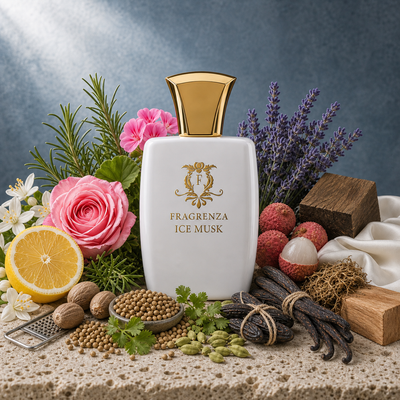
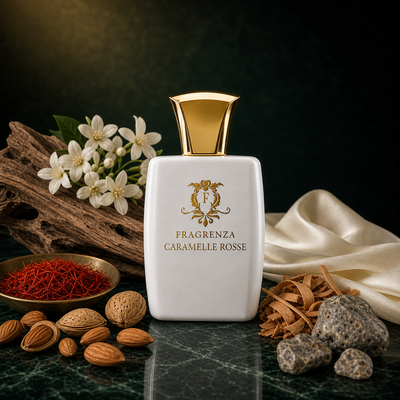
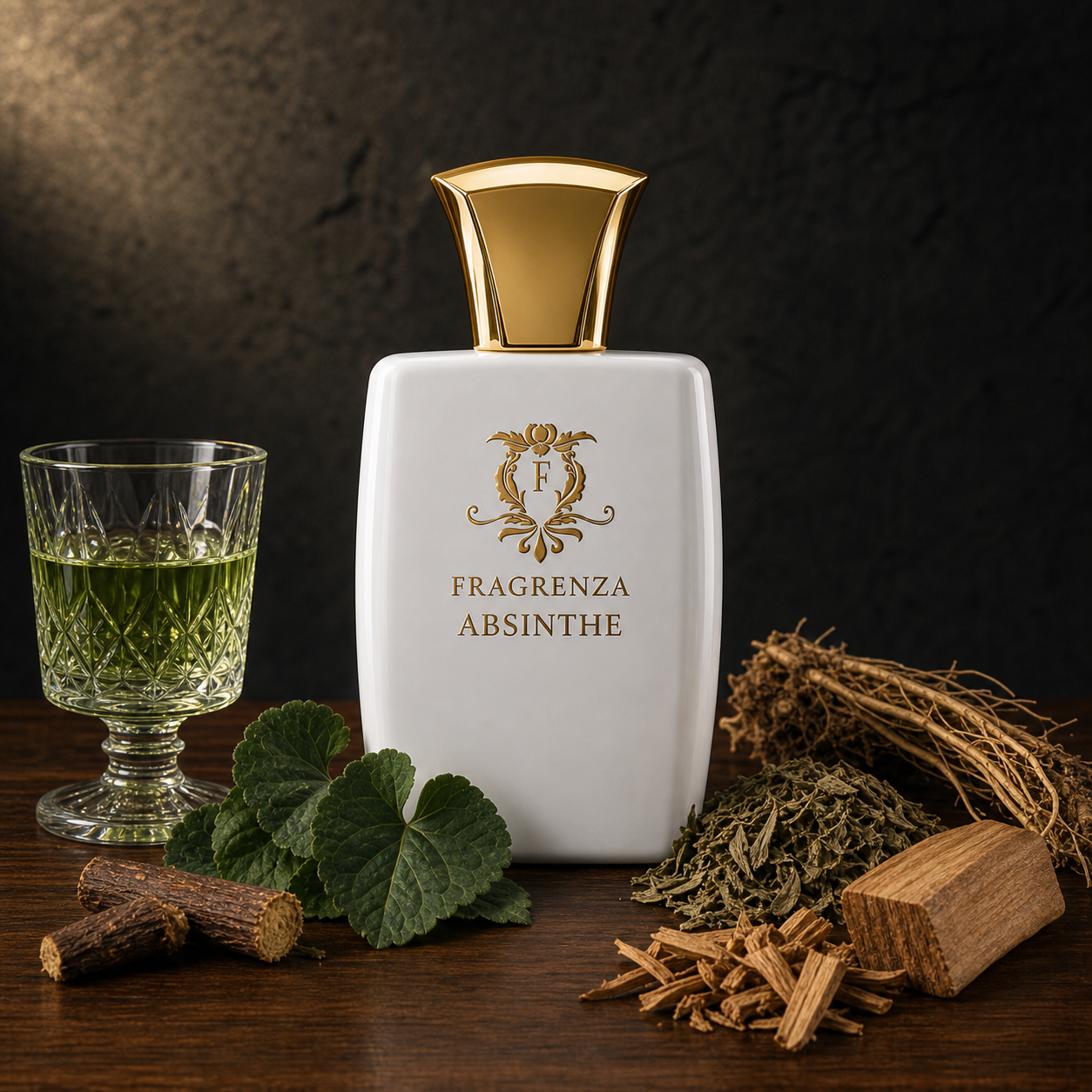
is a standout: a clean, skin-close composition that reads with quiet authority on every body it meets, precisely the kind of aquatic musk that defies easy categorisation. For those drawn to the amber-saffron character that has defined a generation of luxury genderless fragrance,