

Why Unisex Fragrance Is the Biggest Business Story in Perfumery Right Now
Unisex releases are projected to reach roughly a third of new fine launches by year-end while the gender-neutral segment grows at more than double the overall fine fragrance rate.
By Julia MorettiFragrenza makes several of the alternatives featured in our guides — here’s how we test.
4 min read
The numbers alone are arresting. Industry analysts tracking fragrance launch data have projected that unisex fragrance releases will constitute roughly a third of all new fine fragrance launches by the end of 2026 — a figure that would have been difficult to imagine even five years ago. The revenue projections are equally significant: the gender-neutral fragrance market is forecast to grow at more than double the rate of the overall fine fragrance sector through the end of the decade. But behind these figures lies something more interesting than market share. Behind them is a wholesale rethinking of one of the oldest assumptions in the industry: that fragrance is gendered, necessarily and commercially inevitably.
The Cultural Shifts Driving the Surge
The forces producing this moment are not difficult to identify, though their convergence has been faster than most industry observers anticipated. Changing attitudes to gender — particularly among younger consumers — have removed a constraint that fragrance marketing had treated as structural. For Gen Z, fragrance is first and foremost a form of self-expression rather than a gender signal. Survey data consistently shows that Gen Z consumers are significantly more likely than older cohorts to purchase fragrance from the opposite gender's section, to own fragrances traditionally marketed to other genders, and to consider gender labelling on fragrance as irrelevant to their purchasing decision.
The second major force has been the long-term influence of niche perfumery's historically genderless stance. Houses like Comme des Garcons Parfums, Diptyque, Maison Margiela Replica, and the broader artisan perfumery world have operated without gendered categories for decades, treating fragrance as an aesthetic object rather than a demographic product. As niche perfumery's cultural influence on the mainstream has grown — and it has grown substantially over the past decade — its default assumption of genderlessness has followed.
Designing for No Gender Specifically
The creative challenge of designing a truly unisex fragrance is more complex than simply splitting the difference between a traditional men's and women's composition. The perfumers and creative directors working most thoughtfully in this space describe a different brief entirely. Rather than avoiding the notes associated with one gender or the other, the goal is to create compositions so internally coherent, so satisfying as complete olfactory statements, that gender simply ceases to be a relevant frame for experiencing them.
Woods and resins have historically served as the architectural backbone of successful unisex compositions: vetiver, cedarwood, sandalwood, and benzoin carry a neutrality that skin chemistry rarely distorts dramatically in gendered directions. The more interesting creative territory involves classically gendered notes — rose, leather, iris, lavender — deployed in ways that subvert their traditional associations. A rose that is simultaneously dark, smoky, and slightly animalic reads very differently from one that is dewy and powdery. A lavender grounded in patchouli and oud has none of the grooming-product associations of lavender in fougere.
The Marketing Challenge
If the creative brief for unisex fragrance is more interesting than its gendered equivalent, the marketing challenge is correspondingly more complex. The entire infrastructure of fragrance advertising — from the campaign imagery to the celebrity casting to the retail placement — has been built around gender as its primary organising principle. Unisex launches require new visual languages, new narrative frames, and new retail strategies. Some houses have responded with a studied minimalism: stripped-back packaging, neutral campaign imagery, and a refusal of narrative that invites the consumer to project their own identity onto the fragrance. Others have leaned into the explicit statement of genderlessness, making the absence of gender the central marketing message.
Neither approach is without risk. The studied minimalism can read as cold or inaccessible. The explicit genderlessness message can ironically reinforce the very binary it is trying to transcend, by defining the fragrance in terms of what it is not rather than what it is.
The Best Unisex Launches of 2026
The launches that have navigated these challenges most successfully in 2026 share a quality of conviction — they smell like what they are, rather than like a compromise. Several major houses have released significant unisex additions to their portfolios, and the finest of them demonstrate that the category, when handled with genuine creativity, produces some of the most interesting fragrance architecture of the contemporary era.
What the shift ultimately means for the traditional men's and women's categories is a question the industry is still working through. The men's category, with its long dependence on a narrow palette of woods, citrus, and aromatic herbs, seems more immediately threatened by the unisex surge than the women's category, which has always been more expansive in its raw material range. But the more likely outcome, as Fragrenza sees it, is not the elimination of gendered fragrance but a productive reorganisation — one where gender becomes one possible frame among many, rather than the only frame that matters.
Discover at Fragrenza
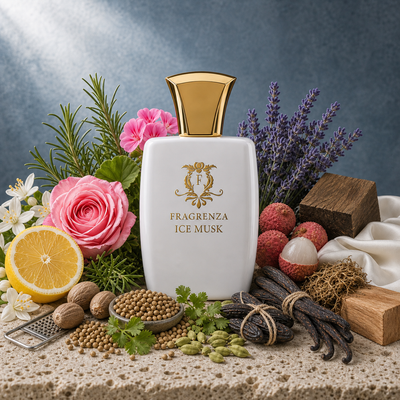
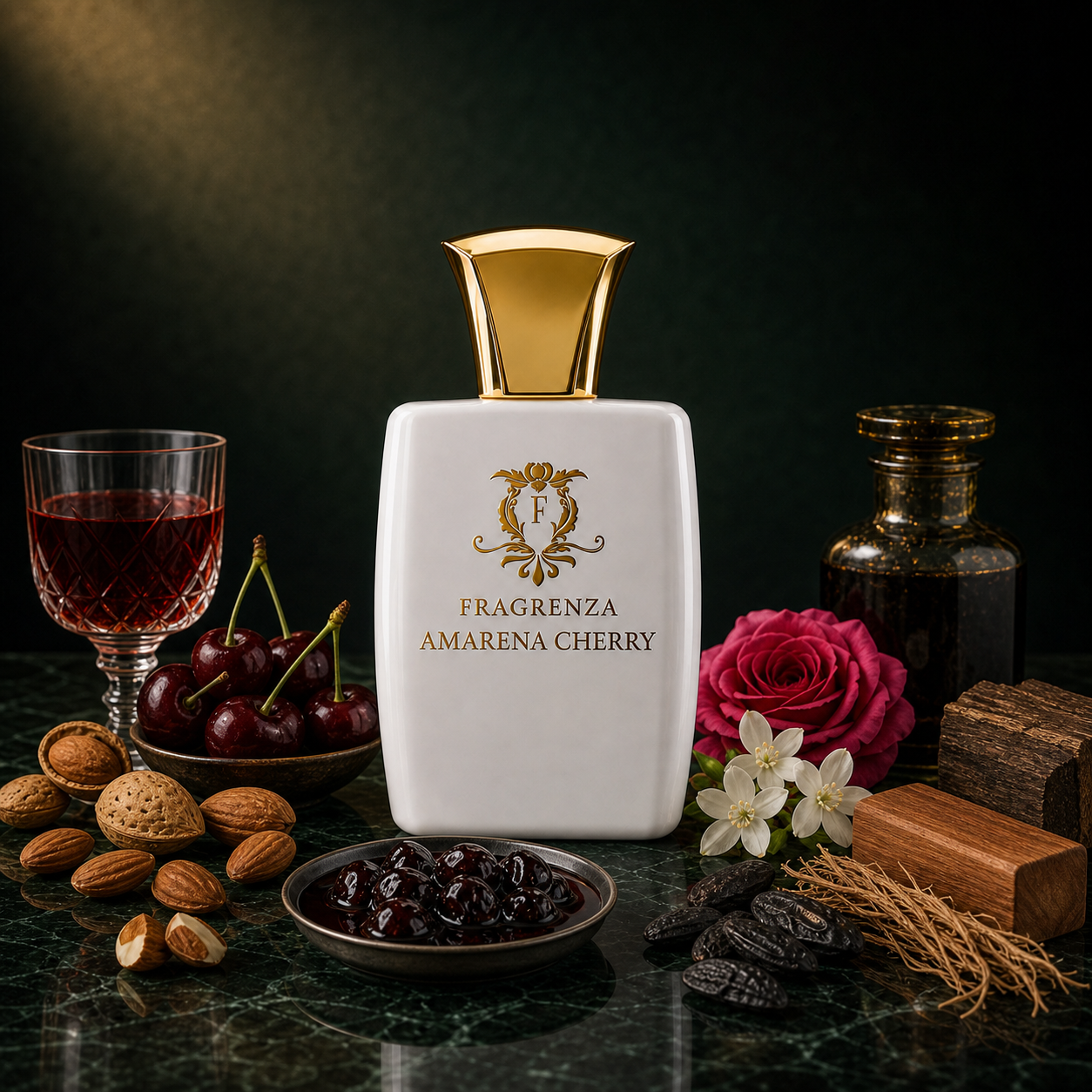
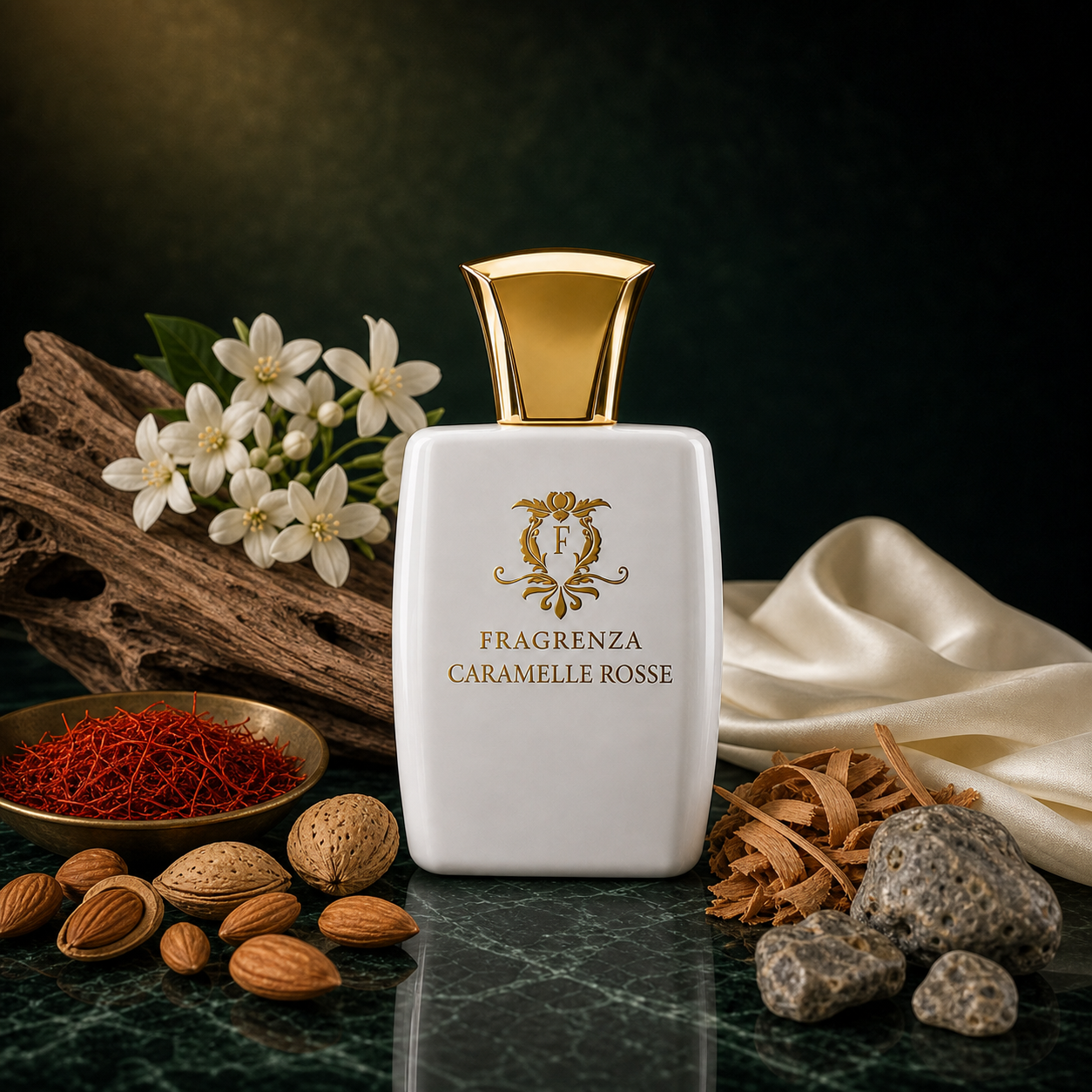
The finest unisex fragrances transcend category and reward those willing to wear beyond the expected — and Fragrenza's collection reflects exactly that spirit. The ethereal, skin-like softness of
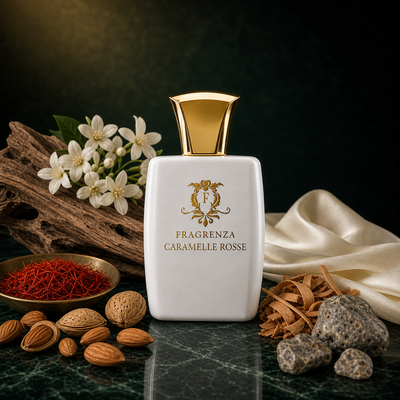
embodies the genderless ideal: luminous, intimate, and effortlessly wearable by anyone. For a bolder statement, the universally beloved amber-and-musk architecture of