

What Does Cardamom Smell Like in Perfumery?
Cardamom is a warm spice that adds depth and dimension to perfume, a note every fragrance lover should learn to recognise on skin.
By Julia Moretti 8 min read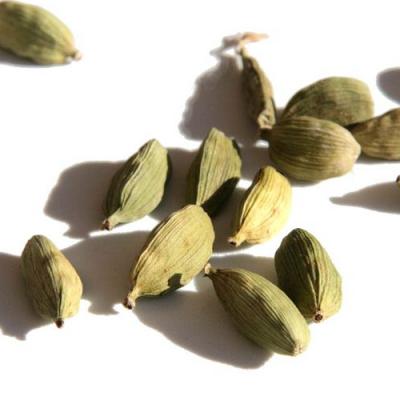
Cardamom smells spicy yet cool and fresh — aromatic and slightly sweet, with a green, eucalyptus-and-citrus-tinged lift over a warm, resinous spice. Unlike fiery spices, it is bright and almost herbal, which is why it appears in countless “spicy aromatic” and fresh-oriental fragrances, adding sparkle and warmth at once.
The Scent of Cardamom: Cool, Spicy, and Endlessly Versatile
Cardamom is one of the most beloved and widely used spices in the perfumer's palette, prized for an aromatic profile that manages to be simultaneously warm and cool, spicy and fresh, exotic and approachable. If you have encountered a fragrance described as "spicy oriental" or "warm aromatic," there is a good chance cardamom played a significant role in shaping its character. Yet despite its ubiquity, cardamom is a note that many wearers struggle to identify by name — it often operates as a modifier and enhancer rather than as a headline ingredient, lending its distinctive quality to a composition without necessarily calling attention to itself.
The smell of cardamom is complex and difficult to reduce to simple descriptors. At its core, it is spicy — but the spice is cool rather than hot, more eucalyptus-tinged than fiery. There is a pronounced aromatic quality, almost herbal, that gives cardamom a freshness unusual in a spice. Beneath this brightness lies warmth: a woody, slightly sweet undertone that anchors the composition and prevents the coolness from feeling clinical. Some noses detect floral nuances in cardamom, particularly a rose-like quality that emerges in certain extraction methods. Sweet, aromatic, cool, woody, slightly floral — cardamom is a note of beautiful contradiction.
The Chemistry of Cardamom: Key Molecules
The distinctive scent of cardamom derives primarily from a handful of volatile compounds present in the essential oil extracted from the seeds of Elettaria cardamomum. The most important of these is 1,8-cineole, also known as eucalyptol — a molecule responsible for the characteristic cooling, mentholated quality that distinguishes cardamom from other warm spices. 1,8-cineole typically constitutes between thirty and forty-five percent of cardamom essential oil, making it the dominant aromatic contributor and the molecule most responsible for the spice's fresh, almost medicinal brightness.
Alongside cineole, cardamom oil contains significant amounts of alpha-terpinyl acetate, a molecule with a sweet, floral-herbal character that softens the eucalyptol's sharpness and contributes to the rounded, elegant quality of the finished spice. Linalool adds a light, airy floral nuance. Sabinene, myrcene, and various other terpenes contribute to the overall aromatic complexity. Together, these molecules create a scent profile that is genuinely unique — there is nothing quite like cardamom in the natural world, which makes it both indispensable and irreplaceable in fine fragrance formulation.
Cardamom Through the Ages: A History in Perfumery
Cardamom's history as an aromatic material predates its use in fine fragrance by millennia. Known as the "queen of spices" in South Asia, cardamom was used by ancient Egyptians in incense preparations and was prized throughout the classical world as a perfume ingredient. The Arab traders who controlled the medieval spice routes understood the value of cardamom as well as any Western merchant, and the scent of cardamom is deeply embedded in the olfactory traditions of the Middle East and South Asia to this day.
In modern fine fragrance, cardamom became a defining ingredient of the oriental genre. The great orientals of the twentieth century — from Shalimar to Opium to Obsession — often contained cardamom as a key heart note spice, its freshness preventing the heavy base accords of vanilla, labdanum, and musk from becoming oppressive. As fragrance styles evolved through the 1990s and 2000s, cardamom's versatility allowed it to migrate into new territories: fresh masculine fougères, aquatic compositions, and contemporary aromatic fragrances all found ways to incorporate its cool spice character. Today, cardamom is arguably more widely used than at any previous point in the history of fine fragrance.
Famous Fragrances Featuring Cardamom
Parfums de Marly Layton provides a masterclass in how cardamom can work in a contemporary aromatic context — here the spice sits at the heart of a composition that balances fresh green apple, cool lavender, and warm vanilla in a fragrance that manages to feel both sophisticated and genuinely wearable. The cardamom in Layton is immediately detectable, lending a crisp, almost edible spice quality that has made it one of the most acclaimed niche releases of recent years.
Bleu de Chanel demonstrates cardamom in a fresher, more restrained context — here the spice adds depth and complexity to a predominantly woody-aromatic structure without ever dominating the composition. This is cardamom in its supporting role, the modifier that adds dimensionality rather than the star that defines the character. Dior Sauvage, one of the best-selling fragrances in the world, also employs spice notes that align closely with cardamom's aromatic profile, achieving its characteristic freshness-with-depth through cool, aromatic spice accords. The broader oriental fragrances collection showcases many expressions of the cardamom tradition.
Note Interactions: Cardamom's Place in a Composition
Cardamom's versatility owes much to its unusual aromatic profile — the combination of cooling cineole and warming alpha-terpinyl acetate means it can be directed toward either freshness or warmth depending on what surrounds it. Paired with citrus top notes — bergamot, lemon, grapefruit — cardamom's fresh, cool facets are amplified, creating bright, aromatic compositions with genuine lift. The article on bergamot in perfumery explores this type of pairing in more detail.
When placed alongside warm, resinous materials — amber, labdanum, benzoin — cardamom's warming facets come to the fore, its woody sweetness blending seamlessly into rich oriental bases. This is its most classic context: the cool spice note that prevents a heavy oriental from becoming suffocating. Oud is another deeply sympathetic partner — the barnyard-meets-incense complexity of agarwood oil finds a beautiful contrast in cardamom's cool clarity, and this pairing is central to many Middle Eastern-inspired fragrances. For more on this relationship, the guide to oud in perfumery is essential reading.
Rose and cardamom is a pairing with a long history in both Middle Eastern attar tradition and Western fine fragrance — the spice's slightly floral, rosy facets align naturally with rose absolute, and the combination creates a rich, complex accord that feels simultaneously familiar and exotic. Sandalwood provides a perfect base for cardamom, the smooth creaminess of sandalwood softening the spice's edges while cardamom adds freshness and complexity to the wood. This appears in many classic oriental-woody compositions and remains as effective today as ever. For wearers building a versatile fragrance wardrobe, the men's fragrances collection reveals the breadth of cardamom-based compositions available.
Wardrobe Context: Wearing Cardamom Fragrances
One of cardamom's great strengths as a fragrance note is its genuine year-round versatility. Unlike many spices, cardamom's cooling quality prevents it from feeling heavy or oppressive in warmer weather. A cardamom-forward aromatic fragrance can be a genuinely excellent spring or summer choice, particularly in its more restrained, fresher expressions. In autumn and winter, the same note takes on additional warmth as ambient temperatures drop, making it equally appropriate across seasons.
The versatility extends to context as well. Cardamom fragrances move naturally between day and night, office and evening wear, formal and casual occasions. The cooling, aromatic quality of cineole prevents even quite rich oriental compositions from feeling inappropriately heavy for daytime wear, while the warmth and complexity of the note ensures it holds its own in evening contexts. For wearers looking to build a versatile fragrance wardrobe that works across seasons and occasions, a quality cardamom-based fragrance is an investment that consistently pays dividends.
Cardamom in the Global Fragrance Tradition
One of the most fascinating aspects of cardamom as a fragrance note is the way it bridges cultural traditions that are otherwise quite distinct. In the Arabic and Indian aromatic traditions, cardamom has been a cornerstone ingredient for millennia — used in attar perfumery, incense burning, and the preparation of oud-based compositions with a history that makes the Western fine fragrance tradition look relatively young. In the French and European tradition, cardamom entered the vocabulary later but has been assimilated with extraordinary success, particularly in the oriental and aromatic families that owe so much to Eastern inspiration. Today, a single cardamom-forward fragrance can draw simultaneously on both traditions, creating compositions that feel at once ancient and contemporary, exotic and familiar.
This cultural versatility is mirrored in cardamom's aromatic versatility. The note does not insist on any particular cultural identity — it can feel French and elegant in one composition, Indian and spiritual in another, Scandinavian and clean in a third. This chameleon quality is one of the reasons cardamom has become so ubiquitous in contemporary fine fragrance. Wearers who have discovered cardamom in fragrances like Parfums de Marly Layton and want to explore it further will find it in compositions as diverse as Middle Eastern attars, French chypres, and modern Nordic aromatics, each interpreting the same ingredient through a radically different cultural and aesthetic lens.
Cardamom's Unexpected Role in Contemporary Masculine Perfumery
In the first two decades of the twenty-first century, cardamom emerged as perhaps the single most important spice note in the contemporary mainstream masculine fragrance market. The shift toward "fresh oriental" as a dominant aesthetic category — compositions that combined the brightness and freshness expected of modern masculine fragrances with the depth and complexity of oriental ingredients — created a natural home for cardamom's cool-warm duality. A series of massively successful masculine fragrances in the mid-2000s and 2010s featured cardamom prominently, and its appearance on note lists became a reliable signal of quality and sophistication in a crowded market. The cool, aromatic cineole character that distinguishes cardamom from other warm spices proved particularly effective in the "freshness plus depth" formula that defines the best contemporary masculine fragrances.
Related reading
If you love cardamom, keep exploring these related spice notes:
Frequently asked questions
What does cardamom smell like in perfume?
Spicy but cool and fresh, with an aromatic, slightly sweet character and a green, eucalyptus-citrus brightness over warm spice. It feels exotic yet clean and approachable.
Is cardamom a warm or a fresh note?
Both at once. Cardamom is unusual among spices: it carries the warmth of spice with a cool, almost minty-eucalyptus freshness, which is exactly why perfumers prize it as a bridge between fresh and oriental accords.
What fragrances use cardamom?
It is extremely common in spicy-aromatic and fresh-oriental compositions, usually working as a top-to-heart modifier that adds sparkle and warmth rather than being the headline note.