

Sesame in Perfumery: The Warm, Nutty Note That Bridges East and West
Sesame reads as a soft modern signature: clear, dry, evenly cool, threading a measured technical line through any composition.
By Julia Moretti 5 min read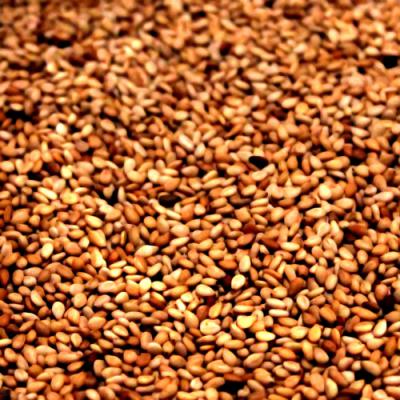
Sesame is one of perfumery's most quietly remarkable ingredients. The seeds of Sesamum indicum have been cultivated for thousands of years across Asia, the Middle East, and Africa, and the aromatic qualities of both raw and toasted sesame are deeply embedded in culinary traditions from Japan to the Levant. In fine fragrance, sesame has emerged as a distinctive note that offers something genuinely unusual: a warm, nutty, slightly earthy, and faintly sweet quality with a cross-cultural character that enriches oriental, gourmand, and even floral compositions with a depth that Western perfumery's traditional palette rarely achieves.
What Does Sesame Smell Like in Perfumery?
The aromatic character of sesame in fragrance depends significantly on whether raw or toasted sesame is the reference point. Raw sesame seeds have a gentle, slightly fatty, mildly nutty scent that is more neutral and subtle than the ingredient's culinary reputation might suggest. Toasted sesame, by contrast, is one of the most aromatic foods in existence: deep, warm, slightly caramelised, with a roasted nuttiness that is unmistakably distinctive and intensely food-evocative.
In perfumery, the toasted sesame impression is typically the more useful reference point, as it offers greater aromatic impact and more distinctive character. A well-constructed sesame note in fragrance reads as warm, roasted, and slightly sweet, with a specific nuttiness that is drier and more mineral than the creamier nuttiness of hazelnut or almond, and a faint earthiness that connects it to the oriental fragrance tradition's love of grounding, rooted base materials.
There is also a distinctive 'sesame oil' character — that golden, slightly fatty aromatic quality of toasted sesame oil — that certain perfume formulations aim for, creating an impression that is simultaneously food-evocative and skin-like in a deeply sensual way.
Sesame in Cultural Context: From Ancient Oil to Fine Fragrance
Sesame's history as an aromatic and cosmetic material stretches back to antiquity. The Egyptians used sesame oil as a cosmetic and in the preparation of incense and sacred fragrant preparations; Ayurvedic medicine has used sesame oil as a carrier and aromatic for millennia; and across the ancient world the seed's oil was among the most prized cosmetic substances available. This long history as a beauty ingredient means sesame carries cultural associations of luxury, care, and body-ritual that translate naturally into fine perfumery.
The note's modern perfumery application draws on this rich heritage. A sesame accord in a contemporary fragrance can read simultaneously as ancient — evoking the cosmetic practices of the ancient world — and as completely contemporary, fitting seamlessly into the global, cross-cultural aesthetic of the current niche fragrance landscape.
Key Molecules and Chemistry
The distinctive aroma of toasted sesame arises from a complex mixture of pyrazines, furans, and phenolic compounds produced during the Maillard reaction of heating. 2-Phenylethanol contributes a faint rose-like quality; furfural and various methylfurfural compounds give the characteristic roasted, slightly caramelised quality of heated grain and nut. The pyrazines — the same family of compounds important in malt and roasted nut accords — provide the nuttily deep, roasted depth that gives sesame its character.
In finished fragrance, sesame accords are typically constructed using combinations of these roasted-nut molecule families alongside hazelnut facets, caramelised sugar molecules, and light skin-like musks that give the accord its warm, sensual quality. The result is a note that sits naturally within both gourmand and oriental composition strategies, enriching each with something genuinely cross-cultural in character.
Famous Fragrances Featuring Sesame
Sesame appears most prominently in the niche and artisan fragrance world, where perfumers are more willing to explore ingredients outside the established commercial palette. Several influential compositions have placed sesame at the heart of constructions that explore the intersection between food culture, skin warmth, and oriental fragrance traditions.
In the broader context of warm, gourmand, oriental-inspired compositions, sesame fits naturally alongside Tom Ford Oud Wood's dry, spiced woody aesthetic, contributing the kind of warm, roasted depth that enriches without sweetening. Black Opium by YSL, with its coffee-vanilla-dark sweetness, represents the broader genre in which sesame finds its natural commercial context — rich, dark, and sensorially indulgent.
Japanese perfumery has been particularly interested in sesame as a cultural note, and several compositions from Japanese houses and houses inspired by Japanese aesthetics have used toasted sesame as a way to evoke a specific cultural relationship with food, warmth, and domestic ritual that Western fragrance has typically overlooked.
How Sesame Interacts with Other Notes
Sesame's dry, roasted nuttiness works best in warm, food-adjacent, or exotic contexts. Its most natural perfumery partners include vanilla, which softens sesame's slightly dry, mineral quality and pushes the combination toward a warm, nutty-sweet gourmand direction. Sandalwood provides the perfect woody backdrop for sesame — its smooth creaminess complementing sesame's dry nuttiness to create an accord that reads as warm, exotic skin.
Amber and sesame work exceptionally well in oriental compositions: the resinous sweetness of amber deepens sesame's warmth while the nutty quality gives amber a food-adjacent character that feels more immediately sensual. Oud and sesame create a particularly interesting pairing in Middle Eastern-inspired compositions, where the woody, animalic complexity of oud is softened and humanised by the familiar, comforting warmth of toasted sesame.
In more European contexts, sesame finds interesting partners in honey, beeswax, and dried fruit accords, where its roasted character contributes depth to what might otherwise be overly sweet or confectionery compositions. Against fresh citrus or clean aquatic notes, sesame tends to be lost — it is fundamentally a warm, dense ingredient that needs sympathetic company to shine.
Wearing Sesame Fragrances
Sesame is a cooler-months and evening note. Its warmth, depth, and food-adjacent character make it most naturally at home in autumn and winter wear, where the contrast between cold air and sesame's roasted warmth creates a sensory pleasure analogous to the warmth of a kitchen on a cold evening. These compositions work beautifully as intimate, personal fragrances — close-to-skin, sensual, and richly characterful. The oriental fragrance tradition provides the richest repertoire for sesame-inspired exploration.
Final Thoughts
Sesame in perfumery is an ingredient of genuine cross-cultural significance and remarkable aromatic character. Its ability to evoke the warmth of roasted food, the ancient luxury of cosmetic oil, and the intimate sensuality of warm skin simultaneously makes it one of the more genuinely unusual and rewarding notes available to contemporary perfumers. As fragrance continues to expand its geographical and cultural horizons, sesame seems well-placed to play an increasingly prominent role in the conversations about what fine fragrance can smell like.