Linden Blossom in Perfumery: The Honey-Sweet Floral That Conjures Midsummer Magic
Linden Blossom sits as a slow, soft gourmand anchor: sugar-warm, cream-soft, low-lit, lingering close to skin past the heart.
By Julia Moretti 6 min read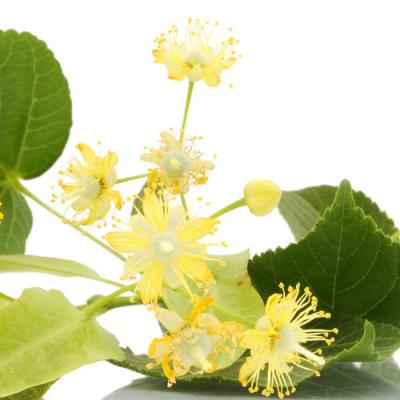
Linden blossom — the flower of the lime tree (Tilia species) — is one of perfumery's most evocative and undersung notes. In the brief, intoxicating window of midsummer when linden trees bloom, the surrounding air fills with a scent of extraordinary sweetness: honeyed, slightly watery, with a particular depth and complexity that suggests both fresh flowers and something older and more resinous. It is a scent that stops people in their tracks, that calls them to look up and locate the source. In fine fragrance, linden blossom occupies a special territory between the classical white floral tradition and the more contemporary clean-floral aesthetic, offering something that is at once deeply nostalgic and completely fresh.
What Does Linden Blossom Smell Like?
Linden blossom has a distinctive aromatic profile that resists easy categorisation. The dominant impression is of a sweetly honeyed, slightly watery floral — lighter than jasmine, less powdery than rose, less sharp than neroli, and carrying a quality of fresh, dewy naturalness that feels uniquely atmospheric. There is a faint green quality from the flower's small, narrow bracts, and a subtle, almost woody depth from the tree's own character that grounds the floral sweetness in something more substantial.
The honey facet is particularly distinctive. Linden blossom smells of the honey that bees make from its nectar — sweet, golden, and slightly waxy, but not cloying or thick. This honey quality gives linden its characteristic warmth and depth without making it feel like a gourmand ingredient. It straddles the line between floral and honey in a way that feels entirely natural, because in nature these two scents are inseparable at linden time.
There is also a tea-like quality in linden blossom that has been recognised in both herbal medicine and perfumery — tilleul (linden tea) is a French household staple with a distinctive gentle sweetness that perfectly captures one dimension of the flower's aromatic character.
Extraction and Sources
Unlike many beloved florals that resist extraction, linden blossom can be processed to yield usable aromatic materials, though the results are not always consistent with the living flower's scent. Steam distillation of linden blossom produces a volatile fraction that captures some of the lighter, greener aspects of the flower; solvent extraction produces a concrete and absolute that is richer, more honeyed, and considerably more lasting.
European linden absolute, when produced by artisan extractors, is a remarkably beautiful material — thick, golden-brown, and intensely complex in a way that unfolds over time on a blotter. The commercial reality, however, is that genuine linden absolute is expensive and variable in quality, which means that many commercial perfumes rely on reconstructed linden accords rather than the natural material. These reconstructions, when well-executed, capture the essential character of the flower with remarkable fidelity.
Key Molecules in Linden Blossom
The primary aroma compounds of linden blossom include linalool (which contributes fresh, bright, slightly citrus-floral quality), phenyl ethyl alcohol (rose-like freshness), and several farnesol-related compounds that contribute the waxy, slightly animalic depth of the honeyed floral core. Lilial (a well-known synthetic aroma chemical with a fresh, lily-type character) is frequently used in commercial linden reconstructions to add the clean, dewy freshness associated with the flower in bloom.
The honey aspect is captured using phenyl acetic acid and its esters, alongside honeyed aldehyde materials that recreate the warm, golden sweetness without introducing the slightly heavy quality of natural beeswax absolute. The green, slightly watery quality comes from a careful blend of cis-3-hexenol and dihydromyrcenol — both fresh, natural-smelling materials that contribute botanical realism to the accord.
For its connection to the clean, powdery musk world, linden frequently incorporates materials related to musk accords, and the resulting dry-down of linden compositions is often a beautifully soft musk-honey accord that feels close to warm skin.
Linden Blossom in Perfumery History
Linden blossom has been appreciated in European perfumery since at least the seventeenth century, when the trees themselves were associated with the courts of France and the formal gardens of baroque palace landscapes. Versailles was planted with linden alleys, and the scent of midsummer linden bloom was an integral part of the experience of those symbolic landscapes.
In classical French perfumery of the nineteenth and early twentieth centuries, linden featured in numerous compositions, often as a modifier within complex floral accords rather than as a soloist. Its honey-sweetness complemented the rose-iris-powder aesthetic of the period without competing with its more dramatic floral partners. The twentieth century saw linden drift somewhat from the forefront of perfumery innovation, but it has experienced several significant revivals — most recently in the contemporary artisan and niche fragrance world, where its unusual honey-floral character is treated as a distinctly desirable quality.
Famous Fragrances Featuring Linden Blossom
Linden blossom appears in numerous celebrated fragrance compositions, typically as a supporting note within floral or floral-oriental accords. Its distinctive honey quality enriches rose compositions considerably — adding a warm, golden sweetness to the floral accord that makes the rose smell more like a garden experience than a flower shop. J'Adore by Dior, with its richly honeyed floral construction, exemplifies the kind of warm, golden floral territory where linden blossom elements feel completely at home.
In the feminine oriental category, linden contributes warmth and honeyed sweetness to compositions that use amber and wood as structural foundations. The note's natural affinity with vanilla and warm resinous materials makes it a natural resident of this category, where its honey dimension enriches the overall sweetness while adding floral lightness. Gucci Flora Gorgeous Gardenia shows how white floral warmth and honey-adjacent sweetness create some of the most universally admired feminine compositions.
Several contemporary niche perfumers have placed linden blossom at the centre of compositions that celebrate midsummer gardens — the specific atmospheric quality of being surrounded by linden trees in full bloom, with the hum of bees and the warm, honeyed air of an extraordinary natural moment. These compositions are among the most emotionally resonant in the floral fragrance world.
How Linden Blossom Interacts with Other Notes
Linden blossom's honey-floral character makes it an exceptionally cooperative ingredient. Its most natural partnerships are with other flowers that share its softness and warmth: rose gains a golden warmth; jasmine becomes richer and more honeyed; mimosa's almond-honey quality finds a perfect echo in linden's own honey facets, creating an accord of extraordinary warmth and softness.
Honey-adjacent base materials amplify linden's character beautifully: beeswax absolute and linden together create an atmosphere of genuine summer warmth; tonka bean adds a warm, sweet, almond-vanilla depth that enriches the linden without overwhelming it; and sandalwood provides a creamy, dry-woody base that allows linden's honey-sweetness to breathe and develop.
Clean musks and linden are a classic combination, creating the kind of fresh-floral, skin-soft composition that reads as natural, clean, and universally appealing. The note is less at home in very dark, smoky, or heavily resinous contexts, where its delicate honey quality can be overwhelmed.
Wearing Linden Blossom Fragrances
Linden blossom fragrances belong to late spring and midsummer. Their natural associations are with warmth, garden beauty, and the specific atmospheric quality of early evening in a park or garden where linden trees are in bloom. These compositions are ideal for casual warm-weather wear, outdoor occasions, and any setting where you want to wear something beautiful, approachable, and seasonally perfect.
The note's honey-floral character is particularly appealing in the daytime, where its sweetness remains balanced rather than becoming heavy. In the evening, linden-based compositions gain an additional warmth as the ambient temperature provides the perfect conditions for the honeyed base notes to emerge more fully from the skin. The women's fragrance range contains many beautiful expressions of this warm, honeyed floral aesthetic across multiple styles and intensities.
Final Thoughts
Linden blossom is one of perfumery's most genuinely beautiful and emotionally resonant florals — a note that captures a specific and extraordinary natural moment (the brief, intoxicating bloom of the lime tree in midsummer) with a fidelity that can genuinely move the people who encounter it. Its honey-sweetness, its dewy freshness, and its remarkable versatility in blending make it an ingredient that rewards discovery and continued exploration. For anyone building a knowledge of the floral world in perfumery, linden blossom is a note that belongs on the essential list.