Tarragon in Perfumery: The Anise-Green Note That Sharpens Everything
Artemisia dracunculus is one of the fines herbes of French cuisine, and its anisic-citric profile lets a perfumer sharpen a composition where lavender or basil would only soften it.
By Julia Moretti 6 min read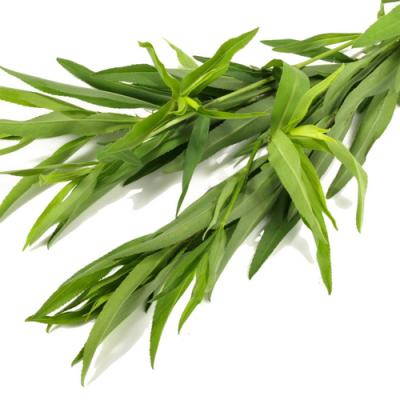
The Herb That Cuts Like a Knife
Tarragon is perfumery's sharpest herbal note. Unlike the soft, rounded aromatics of lavender or the warm, enveloping character of basil, tarragon has an edge to it — a quality of precision and directness that comes from its distinctive anise-like character combined with an assertive green bitterness. It is an ingredient that clarifies rather than softens, that adds distinction rather than volume. In the right composition, tarragon is the ingredient that gives everything around it a sudden, vivid focus.
In culinary terms, tarragon is among the most refined of the French herbal tradition — one of the fines herbes essential to classic French cooking, prized for its ability to add complexity and distinction to sauces and dressings. In perfumery, it occupies an analogous position: a specialist's tool, used with precision to add a quality of herbal refinement that more commonly-used materials cannot provide.
What Does Tarragon Smell Like?
Tarragon's scent is immediately distinctive. The primary impression is anise-like — there is a clear sweet anise quality that aligns it with other anise-family materials. But tarragon's anise character differs from, say, star anise or fennel in important ways. Where star anise is warm and dense in its sweetness, tarragon is sharper, greener, and more volatile — the anise impression is present but modified by a bitter green herbal quality that makes the overall effect more complex and less sweetly one-dimensional.
There is also a slightly citric, almost lemony quality in tarragon that adds brightness and prevents the anise character from becoming too heavy. This brightness is one of the note's most valuable qualities in fragrance composition — it means that tarragon, despite its herbal character, can read as fresh and energetic rather than medicinal or old-fashioned.
The overall impression is of a sharp, green, anise-flavoured herb with a freshness that makes it feel alive and immediate rather than dried and dusty. This quality of vivid green freshness is what distinguishes tarragon from the more familiar aromatic herbs and gives it its particular value in the perfumer's palette.
Origins and Extraction
Tarragon (Artemisia dracunculus) is native to Siberia and western Asia, and has been cultivated in Europe since at least the Middle Ages. Two main varieties exist: French tarragon, which is prized for its culinary use and subtle aromatic character, and Russian tarragon, which is more vigorous but somewhat coarser in its flavour and fragrance. French tarragon is the preferred variety for essential oil production for fine fragrance use.
The essential oil is obtained by steam distillation of the fresh or partially dried plant material. France, particularly the Provence region, is the primary source of tarragon essential oil for the fragrance industry. The oil is relatively pale, with a sharply anise-like, green character that is consistent with the fresh herb.
Tarragon is a member of the Artemisia genus, which also includes wormwood and mugwort — a botanical lineage that may explain the slightly bitter, medicinal undertone that distinguishes tarragon from sweeter anise materials. This bitter quality is important for tarragon's function in fragrance: it prevents the note from being merely pretty and gives it the edge that makes it interesting.
Key Aroma Molecules
The dominant molecule in French tarragon essential oil is methyl chavicol (estragole), which constitutes 60 to 80% of the oil's composition. Methyl chavicol has a characteristic sweet-anise, slightly phenolic character and is responsible for the immediately recognisable tarragon impression. The same molecule appears in basil and anise, explaining the olfactory similarities between these herbs.
Ocimene, a monoterpene, contributes a fresh, slightly herbal-citric quality that provides the green brightness lifting the anise character. Trans-ocimene and cis-ocimene together create the characteristic herbal freshness that distinguishes fresh tarragon from dried tarragon and from other anise-family materials.
Small amounts of limonene contribute further citric freshness, while various sesquiterpenes provide depth and tenacity to a note that would otherwise be entirely top-note volatile. The combination of the dominant methyl chavicol with these supporting molecules creates tarragon's characteristic profile — sharply anise-like at the top, with a slightly bitter green freshness that softens as the note develops on skin.
Tarragon in Fragrance Composition
Tarragon functions as a top to top-heart note in fragrance — vivid and present in the opening phase of a fragrance's development, with a supporting role through the early heart phase before fading as heavier molecules take over. Its sharp, precise character makes it most effective as an opener or as a note that sharpens and clarifies a composition's initial impression.
In men's fragrances, tarragon is a classic ingredient in the aromatic fougere tradition. Its combination of anise-fresh character with herbal depth creates exactly the quality of sophisticated, slightly sharp aromatic freshness that defines the finest masculine aromatic compositions. Against lavender, tarragon creates an aromatic herbal accord that reads as refined and distinctly French in its elegance.
In feminine fragrances, tarragon appears less frequently but can be highly effective as a sharpening element in compositions that might otherwise be too soft or too sweet. Against white florals, tarragon's green bitterness creates a fresh, slightly unusual quality that distinguishes a composition from the mainstream. Against iris or violet, the combination of powdery floral and sharp herbal creates a sophisticated, slightly retro quality that is both distinctive and appealing.
Famous Fragrances Featuring Tarragon
Tarragon is not a widely marketed note but appears in several celebrated fragrances where its character contributes significantly to the overall impression. Guerlain's Chamade — one of the great feminine fragrances of the twentieth century — features hyacinth and green herbal notes including tarragon-adjacent materials in its opening, creating the sharp, slightly bitter freshness that is one of the composition's most admired qualities.
Parfums de Marly Layton uses herbal and aromatic notes in an opening accord that creates a fresh, complex impression before developing into its warm heart. The quality of precise herbal freshness in the opening of this celebrated fragrance reflects the role that sharp herbal notes like tarragon play in creating sophisticated first impressions.
In the world of niche fragrance, tarragon has found a more prominent role. Fragrances from houses like Roja Dove and Nicolai Parfumeur Createur have featured tarragon explicitly, drawing on its French herbal refinement to create compositions of marked elegance and distinction.
Note Interactions
Tarragon's most natural companions are the other members of the French herbal tradition: lavender, geranium, and to some extent bergamot. The combination of tarragon's sharp anise with lavender's soft floral-herbal character creates the classic French aromatic accord that defines a certain style of elegant masculinity. With geranium's rosy, slightly minty herbal character, tarragon creates a more complex herbal accord with multiple facets.
Against citrus materials — particularly the brighter citruses like lemon and grapefruit — tarragon's sharp herbal character creates a fresh, vivid opening accord with excellent energy. The combination of citrus and sharp herbs is one of the most reliably effective openings in fragrance, and tarragon is among the best herbal partners for this purpose.
Tarragon is more challenging with very sweet or oriental compositions. The sharp, anise-bitter quality of tarragon can cut incongruously through the richness of heavy orientals or gourmand fragrances, creating an impression of discord rather than contrast. When used in warm, rich compositions, tarragon requires very careful management and typically appears at quite low concentrations where its sharpening effect is felt rather than heard.
Wardrobe Context
Tarragon fragrances belong primarily to the spring and summer wardrobe, and to the daytime and professional segment. The note's freshness and precision make it well-suited to contexts where clarity and refinement are valued over warmth and indulgence. A tarragon-forward fragrance worn to the office communicates a kind of assured elegance — the fragrance equivalent of a well-cut suit in a muted, distinguished fabric.
For enthusiasts interested in exploring the French herbal tradition in perfumery, tarragon offers a compelling entry point into a style of fragrance that prioritises clarity and craft over commercial approachability. Fragrances in this tradition — the great aromatic fougeres and herbal colognes of the French houses — represent a high point of fragrance culture that is worth exploring for anyone serious about understanding what fine fragrance can achieve.